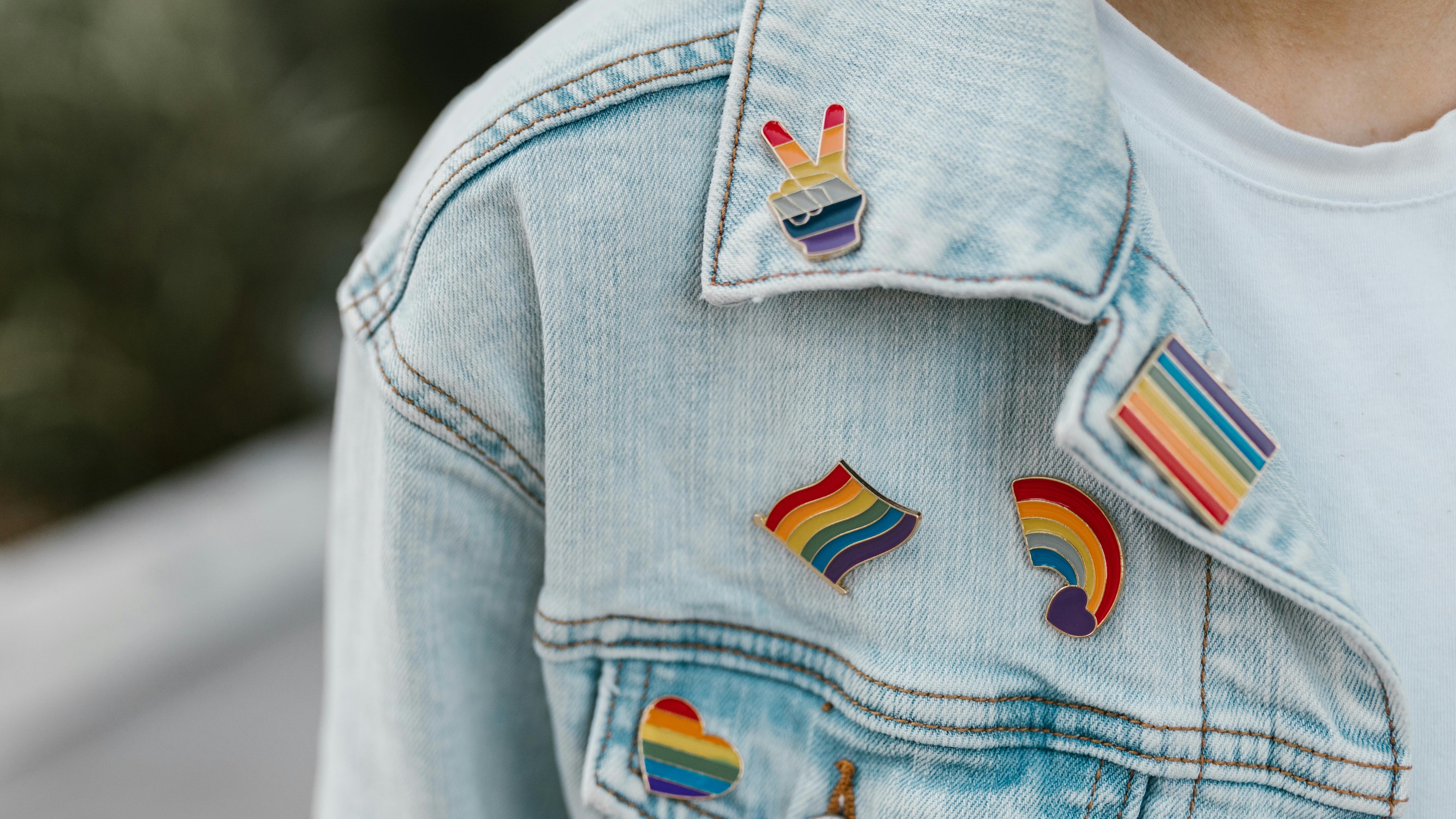
The Saint Petersburg City Court ruled on April 27, 2026, that the Russian LGBT Network qualifies as an extremist organization under Russian law, immediately prohibiting all activities within the country. Russia's Ministry of Justice (Minyust) brought the lawsuit, which proceeded entirely behind closed doors without press or public access. The court provided no detailed justification for the extremist designation, continuing a pattern of opaque judicial proceedings against civil society groups. The Russian LGBT Network has operated since 2006 as Russia's largest queer advocacy organization, working on human rights protection and social adaptation for LGBT individuals across the country's eleven time zones. The group gained international attention for coordinating emergency evacuations of gay and bisexual men from Chechnya starting in 2017, when reports emerged of systematic detention, torture, and extrajudicial killings targeting LGBT people in the North Caucasus republic. The Network's crisis response team moved dozens of people to safety, documenting abuses that Chechen authorities categorically denied. This marks the sixth LGBT organization banned as extremist in Russia within the past month alone. Courts recently shuttered Samara's Irida queer organization, the LGBTQ advocacy group Vyhod (Coming Out), the LGBT Resource Center in Yekaterinburg, the media outlet Parni Plus (Guys Plus), and the Moscow Community Center for LGBT Initiatives. The accelerating pace suggests coordinated instructions from federal authorities rather than independent regional court decisions. Each case followed the same template: Ministry of Justice lawsuit, closed hearing, extremist designation, immediate ban. Russia's campaign against LGBT groups escalated dramatically in November 2023, when the Supreme Court declared a nonexistent 'international LGBT movement' extremist and banned it nationwide. That Kafkaesque ruling created legal grounds to prosecute anyone displaying rainbow imagery or advocating for LGBT rights as supporting extremism, a charge carrying up to six years imprisonment. Prosecutors have since used the 2023 decision as precedent to target real organizations one by one, systematically dismantling what remains of Russia's queer civil society. The Ministry of Justice had already labeled the Russian LGBT Network a 'foreign agent' in November 2021, along with co-founder Igor Kochetkov. That designation required onerous financial reporting, mandated disclaimers on all communications, and subjected the organization to intrusive audits. The foreign agent law, modeled on Soviet-era statutes targeting dissidents, forces groups receiving any international funding to register as foreign agents regardless of their actual activities. The extremist designation goes further, criminalizing membership and making any association with the Network potentially prosecutable.
 🌍 world
Putin's Courts Crush Sixth LGBT Group This Month
The Saint Petersburg City Court just declared the Russian LGBT Network an 'extremist organization' in a closed-door hearing, banning all its operations across Russia. This marks the sixth LGBT group outlawed in recent weeks, as the Kremlin accelerates its crackdown on queer advocacy. Founded in 2006, the Network famously evacuated gay men from Chechnya during brutal purges.
My Take
Let's be absolutely clear about what's happening here: Russia is systematically erasing LGBT people from public life using the language of counterterrorism. Declaring advocacy groups 'extremist' puts them in the same legal category as ISIS (Islamic State) and al-Qaeda, equating rainbow flags with suicide vests. This isn't about protecting children or preserving traditional values, the usual Kremlin talking points. It's about manufacturing internal enemies to justify authoritarian control while the war in Ukraine grinds through its third year. The closed-door hearings expose the farce. When courts won't let journalists watch proceedings or publish reasoning, you're witnessing state persecution dressed up as jurisprudence. These aren't trials, they're bureaucratic executions. Every Russian who once attended a support group, volunteered at a community center, or donated to an advocacy organization now risks criminal prosecution for supporting extremism. The chilling effect is the point. What makes this particularly grotesque is the timing. Russia is hemorrhaging international legitimacy, facing war crimes investigations, and struggling to maintain the facade of normalcy as economic sanctions bite. So the Kremlin doubles down on culture war red meat, feeding its domestic base the spectacle of moral purity enforcement. Meanwhile, the people who evacuated torture victims from Chechnya and provided HIV testing in Siberian cities are now designated terrorists. History will remember who stood where.
What Happens Next
The Russian LGBT Network's international arm will likely relocate operations entirely outside Russia, probably to Vilnius or Tallinn where several other exiled Russian civil society organizations have established headquarters. Within three months, expect criminal cases filed against former Network staff who remain in Russia, testing whether the extremist designation applies retroactively to past activities. Prosecutors will probably make examples of one or two mid-level organizers, aiming for confessions and show trials. The more dangerous cascade comes next: LGBT people in Russia's regions, already isolated, will lose access to remaining underground support networks as activists go dark to avoid prosecution. Suicide rates among queer youth in Russia, already elevated, will spike. International organizations will struggle to provide remote support when encrypted messaging apps face blocking and VPNs (Virtual Private Networks) become evidence of extremist sympathies. Some activists will attempt covert operations, but FSB (Federal Security Service) infiltration makes sustained organizing nearly impossible. Here's the scenario nobody's talking about: what happens when Western countries start granting automatic asylum to Russian LGBT people, as they did for Soviet refuseniks? That could trigger a brain drain Moscow can't afford, particularly if it includes tech workers, medical professionals, and academics. The Kremlin might quietly ease enforcement in major cities to prevent a full exodus, creating a two-tier system where Moscow and Saint Petersburg maintain some underground community while provincial Russia becomes entirely hostile territory. Or Russia doubles down, arrests someone famous, and dares the West to respond while Ukraine bleeds and nobody has bandwidth for another front.
What History Tells Us
Russia's current campaign against LGBT people eerily mirrors the Soviet Union's persecution of dissidents under Article 70 (anti-Soviet agitation) and Article 190-1 (spreading false fabrications). From the 1960s through the 1980s, Soviet authorities imprisoned thousands for possessing banned literature, attending unofficial gatherings, or corresponding with foreigners. The charge was always 'anti-Soviet activity,' the method always closed trials with predetermined outcomes, and the goal always atomizing potential opposition through fear. The key difference: Soviet dissidents had Western radio broadcasts, samizdat networks, and international solidarity campaigns that eventually contributed to the USSR's (Union of Soviet Socialist Republics) collapse. Today's Russian LGBT activists face a state with vastly more sophisticated surveillance capabilities, total control over domestic media, and a global disinformation apparatus that muddies international response. Putin learned from the Soviet collapse that you crush civil society early and completely, before it metastasizes into broader democratic opposition. The extremist designations are preventive repression, not reactive punishment.