In a move that has raised eyebrows both domestically and internationally, Russian President Vladimir Putin has enacted legislation that criminalizes the denial or approval of the 'genocide of the Soviet people' by Nazi Germany during World War II. This law introduces significant amendments to Russia's Criminal Code, specifically targeting the desecration of military graves and the rehabilitation of Nazism. Under the new provisions, individuals found guilty of denying the genocide or insulting the memory of its victims could face fines up to three million rubles or imprisonment for up to three years. More severe penalties, including fines up to five million rubles or imprisonment for up to five years, are stipulated for those who approve of the genocide or desecrate related memorials, even if located abroad. The law's passage has been swift, with the State Duma approving the bill in late March and President Putin signing it into law shortly thereafter. The rapid progression of this legislation underscores the Kremlin's commitment to controlling the narrative surrounding Russia's history, particularly concerning World War II. The law's introduction coincides with the transformation of Moscow's Gulag History Museum into a facility dedicated to the 'genocide of the Soviet people,' signaling a concerted effort to reshape public perception of the past. Critics have raised concerns about the law's potential to stifle free speech and historical inquiry. By broadening the definition of genocide to encompass the 'Soviet people' as a collective entity, the legislation dilutes the specificity of the term, which traditionally applies to specific ethnic, national, racial, or religious groups. This expansion could lead to the suppression of legitimate historical debate and the criminalization of dissenting views. Moreover, the law's vague language leaves room for selective enforcement, potentially targeting individuals or organizations that challenge the state's preferred historical narrative. The international community has also expressed apprehension regarding the law's implications. Similar legislation in other countries, such as laws against Holocaust denial in Germany and France, have been contentious, balancing the need to prevent hate speech with the protection of free expression. The Russian law's broad scope and ambiguous language may set a precedent for further restrictions on free speech and academic freedom, not only within Russia but also in neighboring countries with Russian-speaking populations. In the context of Russia's ongoing conflict in Ukraine, the law serves as a tool for the Kremlin to frame the narrative of the war as a continuation of the struggle against fascism. By emphasizing the victimhood of the 'Soviet people,' the government seeks to legitimize its actions and suppress internal and external criticism. This strategy aligns with the state's broader efforts to consolidate power and control over public discourse, particularly concerning sensitive historical events. The enactment of this law marks a significant escalation in Russia's legislative measures aimed at controlling historical memory and suppressing dissent. It reflects a broader trend of increasing authoritarianism and the erosion of civil liberties within the country. As the law is implemented, it will be crucial to monitor its impact on free speech, academic research, and the broader political climate in Russia.
 🏛️ politics
Putin's New Law: Deny Soviet Genocide, Face Jail Time
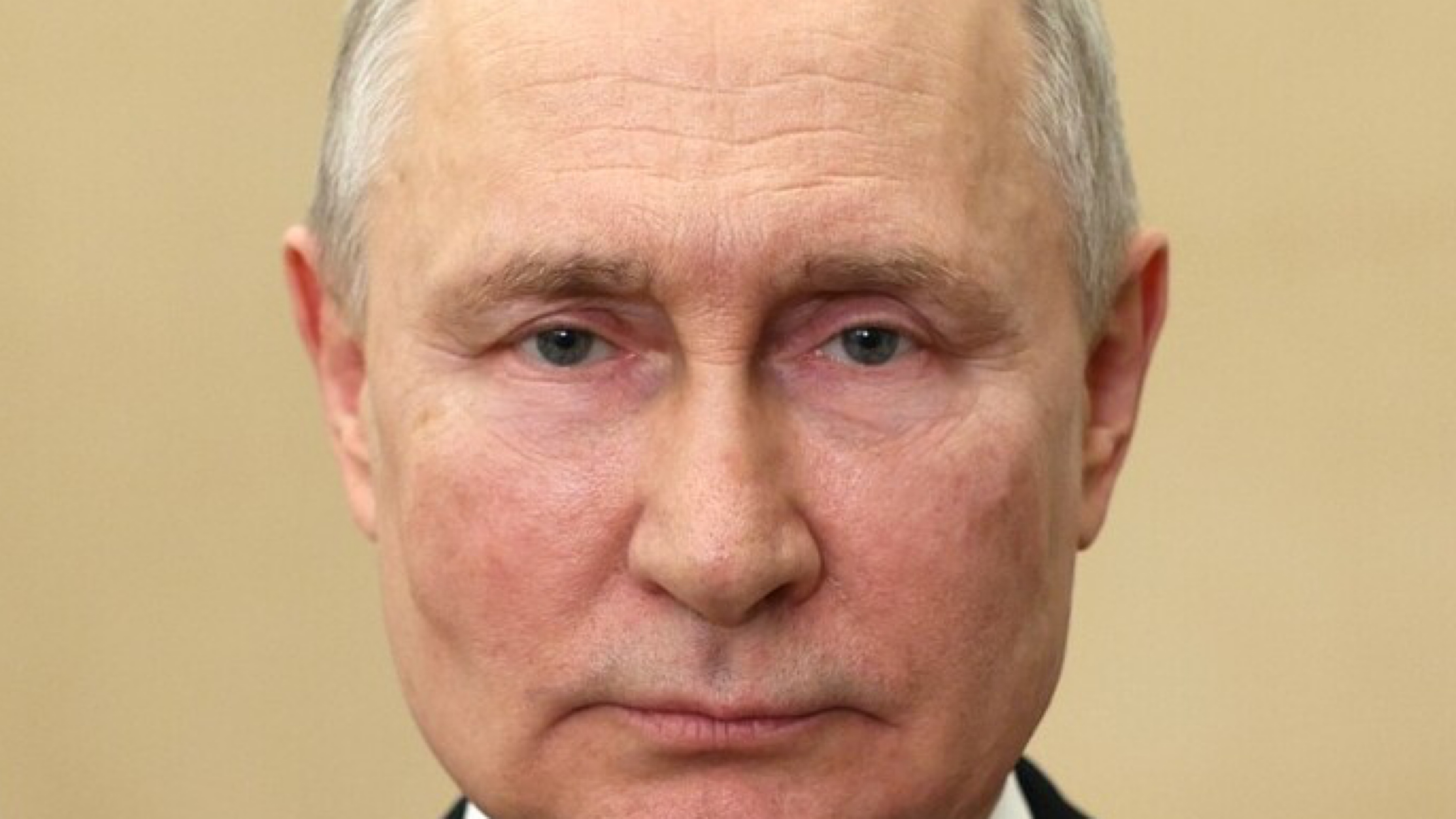
President Vladimir Putin has signed a law imposing criminal penalties for denying or approving the 'genocide of the Soviet people' during World War II. Offenders could face fines up to five million rubles or imprisonment for up to five years.
My Take
The Kremlin's latest move to criminalize the denial of the 'genocide of the Soviet people' is a blatant attempt to monopolize historical narrative and suppress dissent. By broadening the definition of genocide to include the entire Soviet populace, the government is effectively silencing any critical examination of its past actions. This law is not about honoring victims; it's about controlling the present and future by rewriting history. The international community must not stand idly by as Russia tightens its grip on free expression and academic inquiry. It's a slippery slope from criminalizing historical denial to eroding fundamental freedoms. The world must hold Russia accountable for these authoritarian measures and support those within the country who dare to challenge the official narrative.
What Happens Next
In the wake of this legislation, we can expect a surge in state-sponsored historical revisionism. Museums, educational institutions, and media outlets will likely be pressured to align their narratives with the government's version of history. Independent historians and journalists may face increased scrutiny, legal challenges, or even imprisonment for publishing research or articles that contradict the official line. International organizations and foreign governments will likely condemn the law, but their responses may be limited to diplomatic protests, given the complexities of international relations with Russia. The law may also serve as a precursor to further restrictions on free speech and academic freedom, setting a dangerous precedent for other nations in the region. The true test will be whether Russian society can resist this tightening of authoritarian control and whether the international community will take meaningful action to support freedom of expression and historical integrity.
What History Tells Us
This move echoes past instances where governments have sought to control historical narratives to consolidate power. For example, during the Soviet era, the state controlled historical discourse, suppressing information that contradicted the official party line. Similarly, in other authoritarian regimes, such as Nazi Germany and Stalinist Russia, controlling the narrative of past events was a means to legitimize current policies and suppress opposition. These historical precedents highlight the dangers of allowing any government to monopolize the interpretation of history, as it often leads to the suppression of truth and the erosion of individual freedoms.
Market Impact
The enactment of this law is unlikely to have a direct impact on financial markets. However, it may affect investor sentiment regarding Russia's political stability and the rule of law. Companies operating in Russia may face increased regulatory scrutiny and potential reputational risks associated with the country's tightening control over free speech and historical discourse. International investors may reassess their exposure to Russian assets, considering the broader implications of the law on the business environment and the potential for increased state intervention in various sectors.