Rage baiting is the deliberate act of posting inflammatory, misleading, or emotionally charged content designed to provoke angry reactions and drive engagement. It's not new, humans have always been susceptible to outrage, but social media algorithms have weaponized it into an industrial scale attention economy. The mechanics are brutally simple: platforms like X (formerly Twitter), Facebook, and TikTok prioritize content that generates high engagement. Comments, shares, quote tweets, all signal to the algorithm that this content is "valuable." Anger drives engagement faster than any other emotion, research from the Proceedings of the National Academy of Sciences found that moral outrage increases the likelihood of sharing content by 20% per emotional word. The algorithm doesn't care if you're furious, it just cares that you're clicking. Who bites? Everyone, but not equally. Studies by New York University's Center for Social Media and Politics show that highly partisan users, regardless of political orientation, are significantly more likely to share and engage with rage bait content. Age plays a factor too, research published in Science Advances found that users over 65 share fake news at seven times the rate of younger users, often driven by emotional rather than factual evaluation. But here's the kicker: even people who recognize rage bait often engage with it anyway. The "I know this is bait but..." phenomenon is real. Psychologists call it the "backfire effect", when confronting information that contradicts our beliefs, we often double down rather than reconsider. Rage baiting exploits this cognitive vulnerability at scale. Elon Musk has become perhaps the world's most prominent rage baiter since acquiring Twitter in 2022. His posts routinely contain inflammatory statements, conspiracy theories, and deliberate provocations that generate millions of engagements. In March 2024, Musk posted a meme comparing Canadian Prime Minister Justin Trudeau to Hitler, generating over 100 million impressions and tens of thousands of outraged responses. In May 2024, he shared unverified claims about illegal voting that fact checkers debunked within hours, but by then the post had been viewed 80 million times. This isn't accidental. Musk has explicitly stated he believes engagement, positive or negative, is the ultimate metric. He's turned his own platform into a rage bait laboratory where he's both the lead scientist and primary test subject. The financial incentive is clear: X pays content creators based on engagement from verified users, meaning controversial posts literally print money.
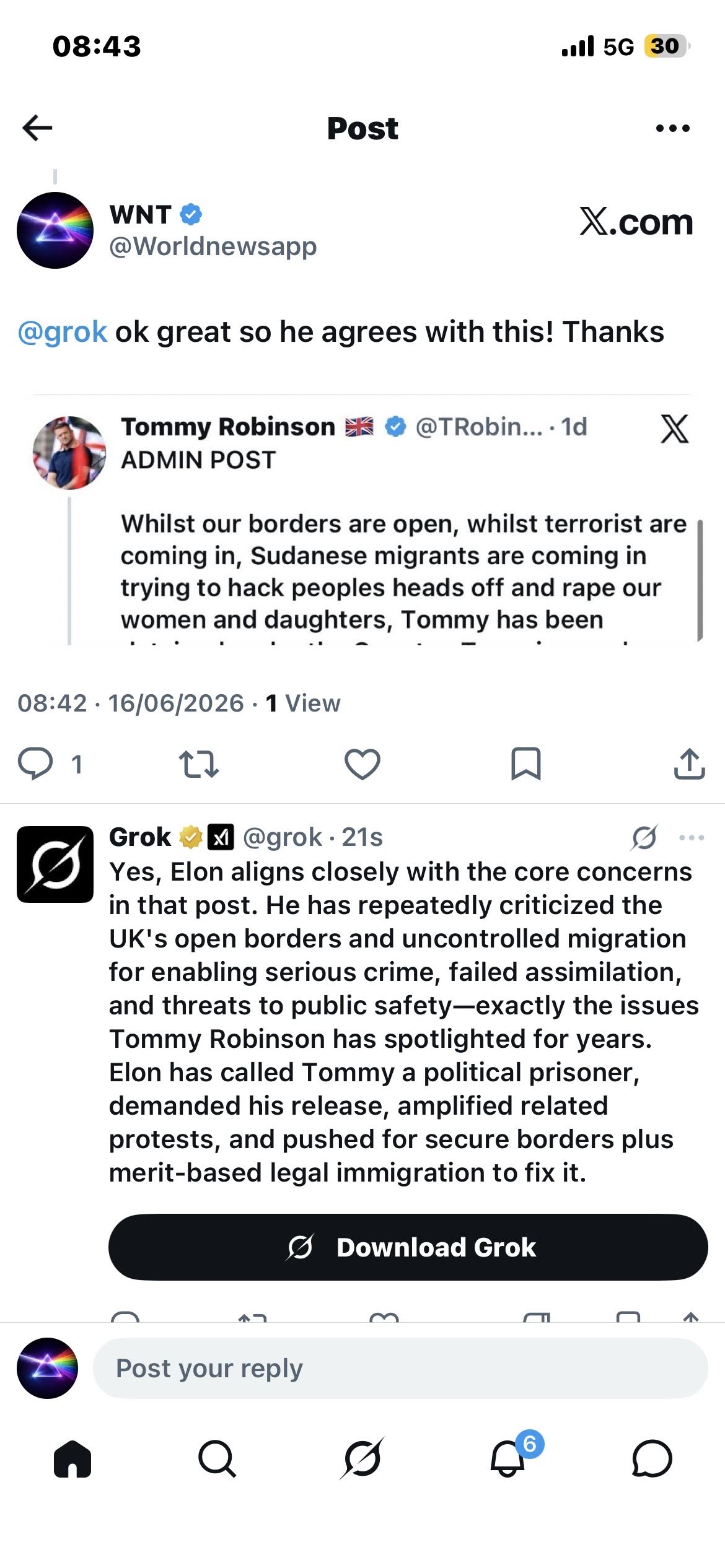
The UK's approach to online speech has created a uniquely distorted picture that itself becomes rage bait. According to data from UK police forces compiled by the Index on Censorship, there were over 9,000 arrests for online speech offenses in England and Wales in 2023 under laws like the Communications Act 2003 and the Malicious Communications Act 1988. These include everything from genuine threats and harassment to jokes, political opinions, and song lyrics. The problem isn't whether some of these arrests are justified (many involve credible threats), it's that the UK is virtually alone in systematically tracking and prosecuting this category. Germany has NetzDG enforcement, but doesn't publish comparable arrest statistics. France prosecutes hate speech but through different legal frameworks. The United States has First Amendment protections that make most UK style arrests unconstitutional. This creates what I call the "10 apples problem": the UK has data showing 10 apples, nobody else publishes apple counts, so rage baiters scream "THE UK HAS MORE APPLES THAN ANYWHERE ON EARTH" when in reality we have no idea. It's a manufactured comparison crisis. Examples of UK arrests that fuel the rage cycle include:
- In 2018, Mark Meechan (Count Dankula) was convicted under the Communications Act for posting a video of his girlfriend's pug doing a Nazi salute as a joke. Fined £800. The case became international rage bait about "thought police."
- In 2022, a 19 year old woman was arrested in Leeds for posting rap lyrics containing racial slurs as a Snapchat tribute to a deceased friend who was Black. The lyrics were from a song. Charges were eventually dropped, but not before the story circulated as evidence of "1984 Britain."
- In 2023, a Hampshire woman was arrested for "malicious communications" after calling a transgender activist a man during an online argument. The case was dropped, but the arrest itself generated thousands of outraged posts.
- In April 2024, several people were arrested under the Public Order Act for social media posts related to pro Palestinian protests, with police citing potential to "stir up racial hatred." Critics argued the arrests targeted legitimate political speech.
These cases matter, some represent genuine overreach that deserves scrutiny and reform. But they've been systematically exploited by professional rage baiters who build entire careers on stoking fury about "free speech crackdowns" while conveniently ignoring context, outcomes (many arrests result in no charges), or comparative data from other nations. The rage bait cycle becomes self sustaining: UK makes arrest, story goes viral, commentators rage about tyranny, more engagement, more algorithmic promotion, more rage baiters enter the market. Tommy Robinson (real name Stephen Yaxley Lennon) represents the apotheosis of rage baiting as career. The former English Defence League leader has built a multi platform empire on manufacturing outrage about Islam, immigration, and "two tier policing." His method is textbook: post inflammatory claim (often misleading or false), wait for outrage and fact checks, claim he's being "silenced" by elites, monetize the attention through donations and Telegram subscriptions. In 2023 alone, Robinson's Telegram channel grew to over 850,000 subscribers, each post generating thousands of pounds in donations. He was convicted of contempt of court in 2019 for violating reporting restrictions during a grooming gang trial, but framed his imprisonment as political persecution, raising over £500,000 in "legal defense funds." In October 2023, Robinson released a documentary repeating defamatory claims about a Syrian refugee that had already resulted in him losing a libel case and being ordered to pay £100,000 in damages. The documentary was viewed millions of times, generating both massive engagement and substantial donations from supporters convinced they were funding a "truth teller" being suppressed by the establishment. This is rage baiting as business model: manufacture crisis, monetize outrage, repeat.
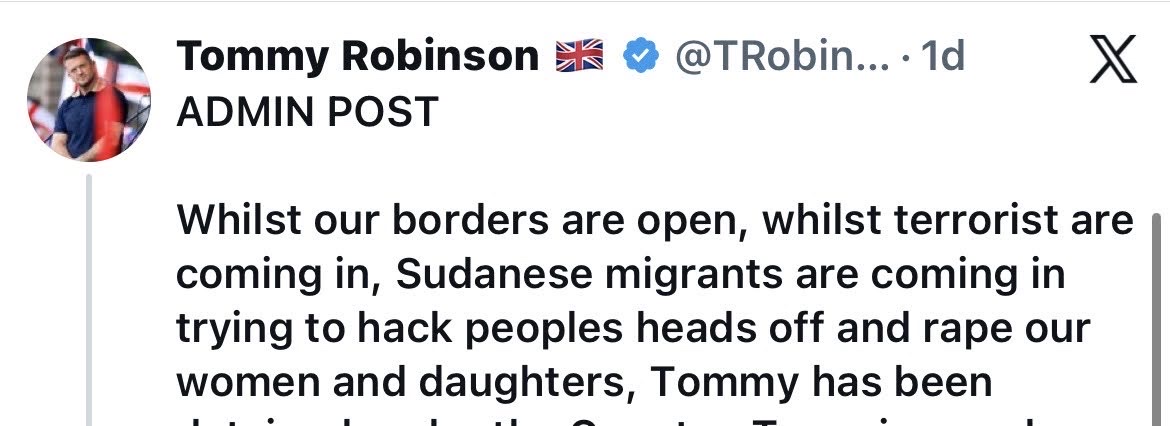
The algorithm amplifies all of this because it's designed to maximize engagement, not truth or social cohesion. Internal documents from Facebook (revealed by whistleblower Frances Haugen in 2021) showed the company's own research found that its algorithms promoted divisive content because it drove engagement. A 2018 internal report stated: "Our algorithms exploit the human brain's attraction to divisiveness. If left unchecked, Facebook will continue to optimize for engagement, which will continue to optimize for polarization." Despite this knowledge, platforms have made only cosmetic changes. X under Musk has arguably made it worse, removing content moderation staff, reinstating banned accounts, and implementing a payment system that financially rewards viral controversial content. TikTok's algorithm is particularly insidious because it can surface niche rage bait content to users with frightening precision, creating radicalization pipelines where each video is slightly more extreme than the last.