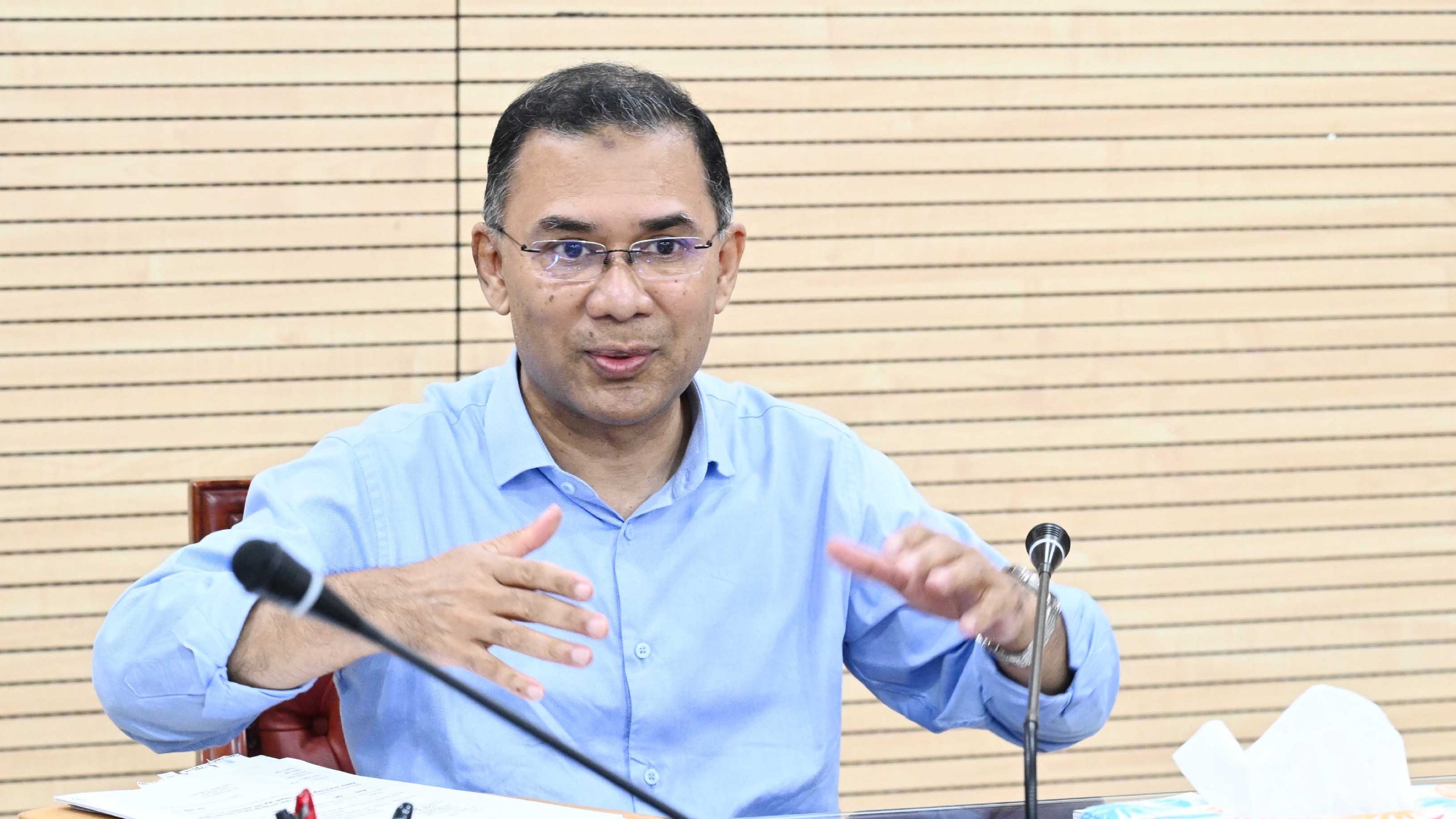
Prime Minister Tareq Rahman arrived at the Pallabi home of Ramisa's family Thursday night, stepping into a grief stricken household that has become the unwilling face of Bangladesh's spiraling child protection crisis. The visit, announced just hours before it occurred, brought a convoy of security personnel and government officials into a working class neighborhood still reeling from the brutal rape and murder of a child whose name now echoes across social media as a rallying cry for justice. Rahman spent roughly 90 minutes with the family, offering condolences and pledging a full investigation into the crime that has shaken Dhaka's conscience. The timing of this visit is no accident. Bangladesh has seen a disturbing surge in reported child sexual violence cases over the past 18 months, with human rights organizations documenting over 1,400 cases in 2025 alone, a 34% increase from the previous year according to Bangladesh Shishu Adhikar Forum (BSAF), a child rights advocacy group. Yet conviction rates remain dismally low, hovering around 3% according to court data, creating a culture of impunity that emboldens predators. Ramisa's case has ignited street protests in at least six districts, with demonstrators demanding not just punishment for her killer but sweeping reforms to how police handle sexual violence cases involving minors. Rahman's government faces mounting criticism for treating each tragedy as an isolated incident requiring a prime ministerial photo opportunity rather than addressing the structural failures that make these crimes possible. Bangladesh's Child Marriage Restraint Act, amended in 2017 to allow marriage below 18 in "special cases," has been weaponized by families to force child rape victims into marriages with their attackers, effectively erasing the crime. Law enforcement remains chronically understaffed in sex crimes units, with Dhaka Metropolitan Police operating just four dedicated child protection officers for a city of 22 million people. The political calculus behind Rahman's visit is transparent. With national elections looming in late 2026, the ruling Bangladesh Nationalist Party (BNP) cannot afford to appear indifferent to crimes that galvanize middle class urban voters, particularly women. Opposition parties have seized on Ramisa's case to paint the government as incompetent on law and order, a charge that resonates in a country where personal safety concerns routinely rank as voters' top issue in polling. Rahman's team clearly hopes that visible empathy, combined with promises of swift justice, will defuse the brewing political crisis. Yet activists warn that without concrete policy changes, this visit amounts to little more than political theater. They're demanding a dedicated fast track court system for child sexual abuse cases, mandatory training for police on trauma informed investigation techniques, and a national registry of convicted sex offenders. The government has yet to commit to any of these measures, instead repeating vague assurances about strengthening law enforcement. Meanwhile, Ramisa's family and thousands like them are left to navigate a justice system that treats their trauma as a public relations problem rather than a human rights emergency.
 🌍 world
Rahman's Crime Scene Visit Sparks Outrage Over Child Safety
Bangladesh Prime Minister Tareq Rahman made a late-night visit to the family of Ramisa, a child rape and murder victim in Dhaka's Pallabi neighborhood. The highly publicized visit comes as public fury mounts over the government's failure to protect children from sexual violence, with activists demanding systemic reform beyond symbolic gestures.
My Take
Here's what infuriates me about this carefully choreographed display of compassion: Tareq Rahman could have visited any of the 1,400 families destroyed by child sexual violence last year, but he chose this one because the public outrage finally got loud enough to threaten his poll numbers. This isn't leadership. It's damage control dressed up as empathy. The prime minister showing up with cameras in tow doesn't bring Ramisa back, doesn't fix the police force that likely bungled the initial investigation, and doesn't address the legal loopholes that let predators walk free 97% of the time. Bangladesh doesn't need another powerful man making promises in a grieving family's living room. It needs a government willing to anger powerful constituencies by actually protecting children, which means prosecuting well connected offenders, funding rural police training, and eliminating the "special cases" marriage loophole that's become a get out of jail free card for rapists. Rahman's visit will dominate tomorrow's news cycle, but unless it's followed by legislation on his desk within 30 days, it's just another politician using a murdered child as a prop. The question isn't whether Rahman feels bad about what happened to Ramisa. The question is whether he's willing to do anything that might cost him votes to prevent the next Ramisa.
What Happens Next
Rahman's government will almost certainly announce an investigative task force within the next 10 days, a predictable move designed to signal action while buying time. The real test comes in about three weeks when Parliament reconvenes. If opposition leader Mirza Fakhrul Islam Alamgir tables a private member's bill on child protection reform, as sources suggest he's planning, Rahman faces an impossible choice: support the bill and admit his government's failures, or block it and hand the opposition a devastating campaign issue eight months before voters head to the polls. Watch what happens to the detective assigned to Ramisa's case. If he gets promoted to a desk job within 60 days, it's a telltale sign the investigation found evidence implicating someone politically connected, and the whole thing is being quietly buried. The family's lawyers are already preparing to bypass the criminal system entirely and file a writ petition in High Court demanding a judicial inquiry, which would force evidence into the public record that the government can't control. That filing, expected by early June, is when this story either explodes into a genuine political crisis or gets memory holed along with the 1,399 other cases nobody bothered to photograph.
What History Tells Us
Bangladesh has been here before. In 2013, the rape and murder of 7 year old Sohagi in Rajshahi sparked similar outrage and promises of reform, including the hasty passage of amendments to the Women and Children Repression Prevention Act. Those amendments increased maximum sentences but did nothing to improve investigation quality or conviction rates, and sexual violence statistics continued their upward climb. The pattern mirrors India's response to the 2012 Delhi gang rape case, which produced sweeping legislative changes but failed to address the cultural and institutional factors that enable sexual violence. In both cases, governments discovered that passing laws generates better headlines than the harder work of training police, funding victim support services, and confronting the patriarchal attitudes that treat women's and children's bodies as negotiable commodities. The real lesson from these parallel failures: unless Bangladesh couples any new legislation with massive investments in implementation and enforcement, Ramisa's death will simply become another benchmark used to measure how much worse things have gotten by the time the next tragedy forces another prime ministerial house call.