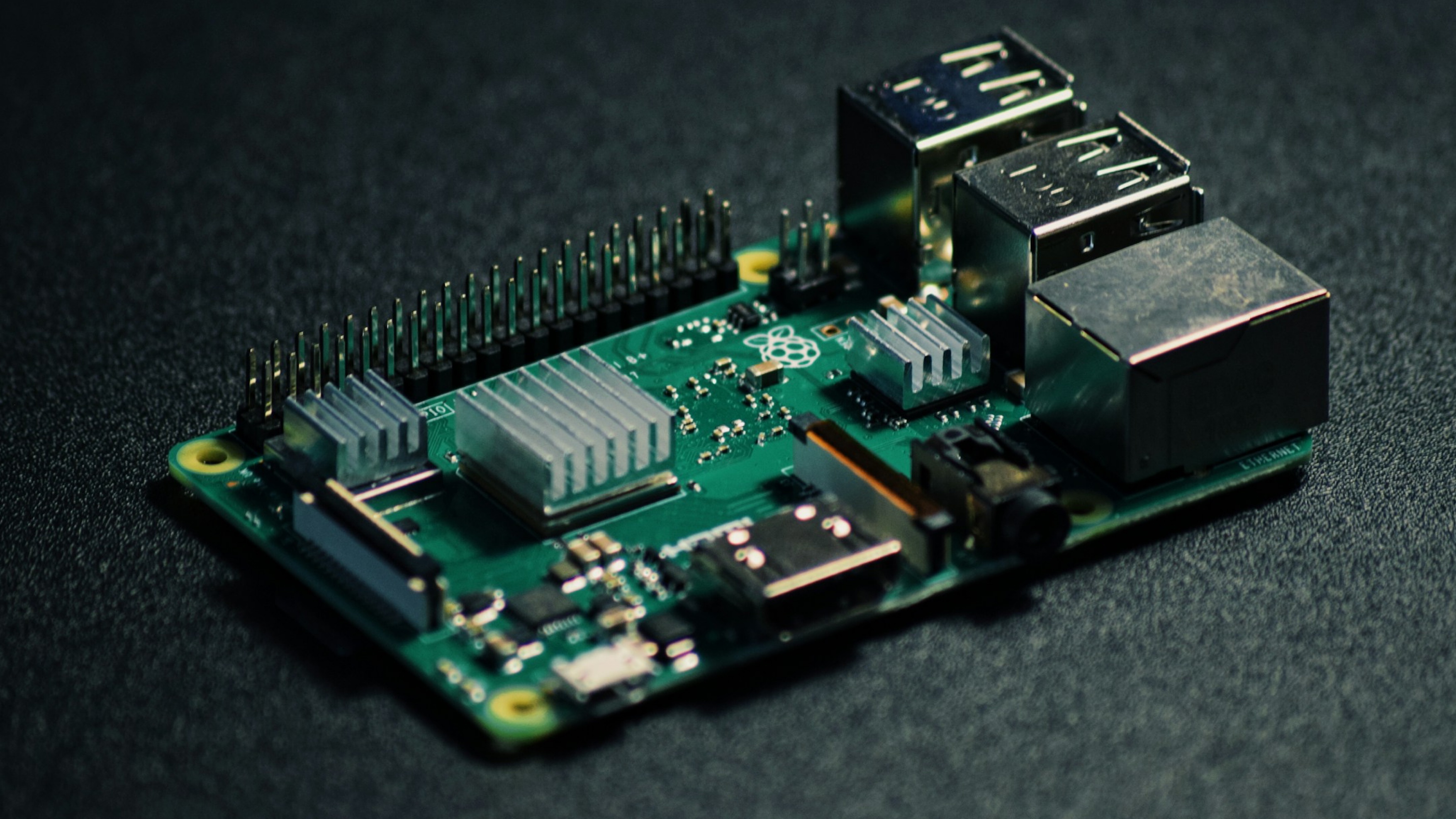
Raspberry Pi, the beloved single-board computer manufacturer, has announced another round of price increases, with the 16GB Raspberry Pi 5 now priced at $205, up from its original $120. This marks the second price hike in just three months, underscoring the company's struggle to manage escalating memory costs. The primary culprit? A severe shortage of LPDDR4 memory, exacerbated by the burgeoning demands of AI infrastructure. As AI companies gobble up memory resources to power their data centers, the cost of these components has surged, directly impacting Raspberry Pi's production expenses. CEO Eben Upton has acknowledged the 'unprecedented rise' in memory costs and reassured customers that these price increases are temporary, with plans to reverse them once the supply chain stabilizes. However, the timing and magnitude of these hikes have raised concerns about the affordability of Raspberry Pi for educational institutions and hobbyists. The company's mission to provide low-cost computing solutions is being tested as it navigates the challenges posed by the global memory shortage. This situation highlights the broader impact of AI's insatiable appetite for resources on the tech industry, emphasizing the need for sustainable practices and alternative solutions to ensure continued access to affordable computing resources for all users.
 💻 technology
Raspberry Pi Prices Skyrocket Amid AI Memory Crunch
Raspberry Pi's latest price hikes are no joke. The 16GB Raspberry Pi 5 now costs $205, up from $120, as the company grapples with a severe memory shortage driven by AI infrastructure demands. This marks the second price increase in three months, with other models also seeing significant jumps. CEO Eben Upton acknowledges the 'unprecedented rise' in memory costs and assures that these increases are temporary, aiming to reverse them once the supply chain stabilizes. However, the timing and scale of these hikes raise questions about the affordability of Raspberry Pi for educational institutions and hobbyists. The company remains committed to providing low-cost computing solutions but faces challenges in maintaining that mission amid escalating component prices. The situation underscores the broader impact of AI's insatiable appetite for resources on the tech industry, highlighting the need for sustainable practices and alternative solutions to ensure continued access to affordable computing resources for all users.
My Take
Raspberry Pi's recent price hikes are a stark reminder of the tech industry's vulnerability to global supply chain disruptions. While the company has been transparent about the challenges posed by the memory shortage, the rapid escalation in prices raises questions about the sustainability of its low-cost computing model. Educational institutions and hobbyists, who have long relied on Raspberry Pi for affordable computing solutions, may find themselves priced out of the market. This situation calls for a reevaluation of how tech companies source and manage critical components, especially in an era where AI's demand for resources is only set to increase. Diversifying supply chains, investing in alternative memory technologies, and fostering collaborations with other industry players could be potential strategies to mitigate such challenges in the future. Ultimately, the tech community must balance innovation with accessibility to ensure that advancements do not come at the expense of inclusivity.
What Happens Next
In response to the ongoing memory shortage, Raspberry Pi is likely to intensify efforts to diversify its supply chain, seeking alternative memory suppliers and exploring different memory technologies to mitigate future price fluctuations. The company may also consider introducing lower-cost models with reduced memory capacities to cater to budget-conscious consumers and educational institutions. Additionally, Raspberry Pi could collaborate with other tech companies to establish a more resilient supply chain, ensuring a steady flow of components. These strategic moves aim to stabilize prices and reaffirm Raspberry Pi's commitment to providing affordable computing solutions. However, the success of these initiatives will depend on the evolving dynamics of the global memory market and the company's ability to adapt to rapidly changing technological landscapes.