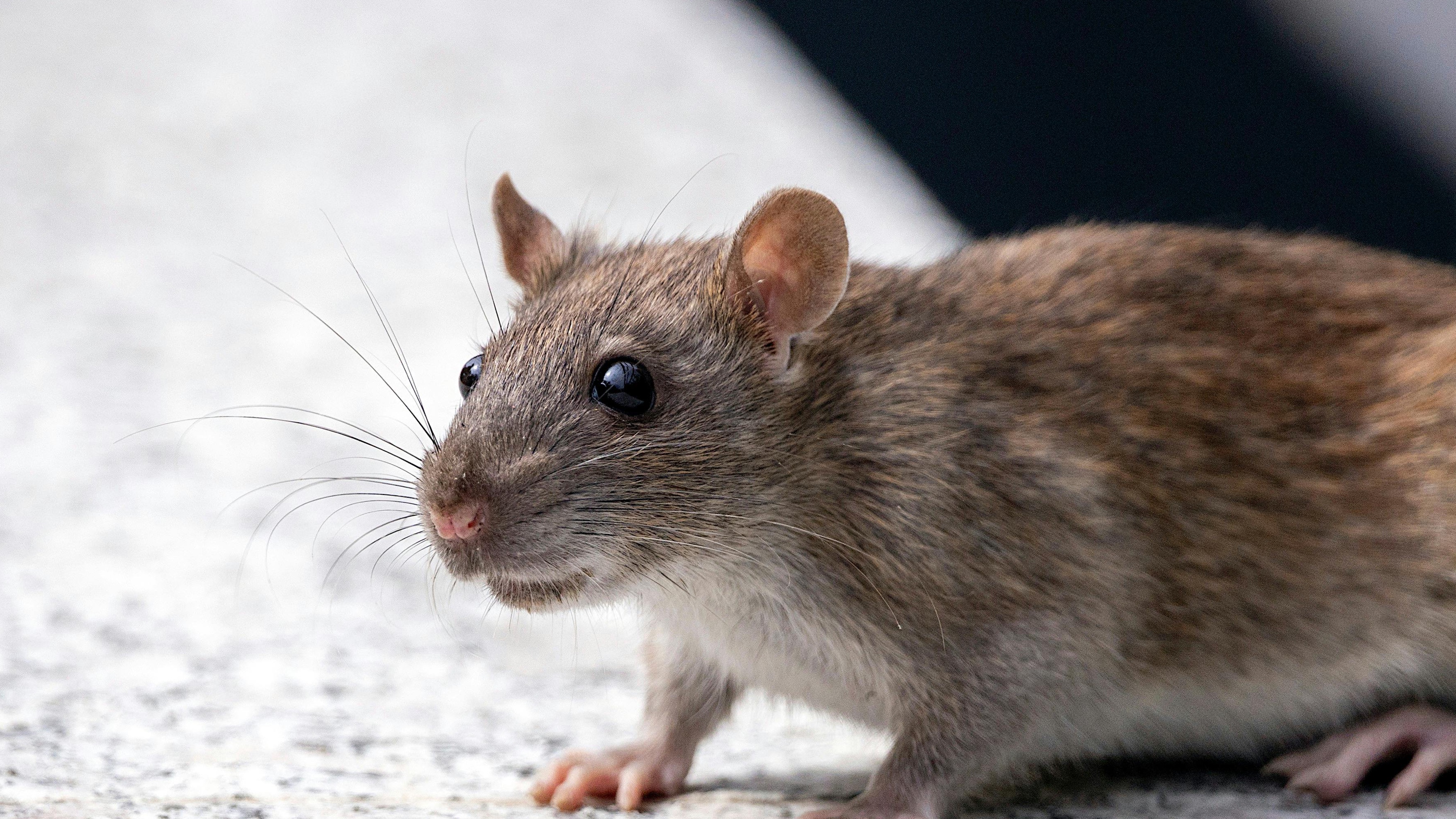
A cruise ship in the Atlantic Ocean has become ground zero for a rare and deadly outbreak of hantavirus, a disease you'd normally associate with rural cabins and farm sheds, not oceangoing vacation vessels. Three passengers are confirmed dead, including an elderly Dutch couple, and three more are fighting for their lives. The World Health Organization (WHO) has confirmed at least one hantavirus case through laboratory testing and is working with South African health authorities to evacuate the remaining sick passengers. One patient is already in intensive care in South Africa, while two others await emergency airlift off the ship. Hantavirus is transmitted through contact with rodent urine, droppings, or saliva, which means somewhere on that cruise ship, passengers encountered contaminated surfaces or inhaled aerosolized particles from rodent waste. The virus doesn't spread person-to-person in its most common forms, so this isn't a contagion scenario where one infected passenger spread it to others. Instead, multiple people likely came into contact with the same contaminated area, perhaps a storage room, ventilation system, or food preparation zone where rodents had been nesting. The incubation period ranges from one to five weeks, suggesting the exposure happened relatively early in the voyage. The geography of this outbreak is crucial. The ship was sailing in the Atlantic, and South African authorities are involved, which suggests it either departed from or was heading to South Africa. Hantavirus strains vary by region, with different rodent species carrying different variants. In the Americas, the Sin Nombre virus (carried by deer mice) causes hantavirus pulmonary syndrome (HPS), which has a mortality rate of around 36 percent. In Europe, Asia, and Africa, hantaviruses typically cause hemorrhagic fever with renal syndrome (HFRS), which is less lethal but still serious. The specific strain involved here will determine treatment protocols and help investigators trace how rodents got aboard. Cruise ships are supposed to be fortresses against pests. They undergo regular inspections, maintain strict sanitation protocols, and employ pest control teams precisely to prevent scenarios like this. The fact that rodents not only got aboard but established enough of a presence to infect multiple passengers suggests either a catastrophic failure in port screening, contaminated cargo or provisions loaded at a stop, or an infestation that went undetected for weeks. Ships dock frequently to load food, supplies, and equipment, and any of those transactions could be the vector if proper inspection protocols weren't followed. The WHO's involvement signals this isn't being treated as a routine health incident. Detailed investigations are ongoing, including genomic sequencing of the virus to identify its exact strain and origin. Authorities will need to inspect every corner of the ship, test environmental samples, set traps to confirm rodent presence, and interview crew and passengers about where they spent time. The cruise line's reputation is on the line, as is the confidence of the entire industry. If rodents can infiltrate a modern cruise ship and kill passengers, every company will face questions about their own pest control measures.
 ❤️ health
Rodents on a Cruise Ship Just Made Vacation Deadly
Three passengers are dead and three more critically ill after a suspected hantavirus outbreak on an Atlantic cruise ship. One case confirmed, WHO investigating. The twist? This rodent-borne killer normally lives in forests and fields, not luxury liners.
My Take
This is the nightmare scenario cruise lines pretend can't happen. They market floating cities of luxury, but a ship is still just a ship, a sealed environment where one mistake in port can turn deadly. Someone, somewhere, failed catastrophically. Either inspectors didn't catch rodents during routine checks, or contaminated cargo was loaded without proper screening, or the crew ignored warning signs of an infestation. Three people are dead because of it, and the cruise industry better pray this was a freak accident and not a systemic vulnerability. What disturbs me most is the timeline. Hantavirus doesn't kill instantly, it takes weeks. These passengers were likely infected early in the voyage and spent days feeling flu-like symptoms before their lungs filled with fluid or their kidneys shut down. Did they seek medical attention from the ship's doctor? Were they dismissed with seasickness meds? Or did the ship's medical staff recognize something serious and fail to act? Those are the questions lawyers will be asking, and the answers will determine whether this was negligence or just tragic bad luck. The cruise industry has spent years rebuilding trust after COVID-19 outbreaks turned ships into floating quarantine zones. Now they've got a different pathogen to worry about, one that doesn't spread person-to-person but highlights how vulnerable these vessels are to contamination from the outside world. Every port stop is a potential entry point for pests, and if this ship can't keep rodents out, what else is slipping through?
What Happens Next
The cruise line will face lawsuits from the families of the deceased and possibly from every passenger on that voyage, arguing they were exposed to an unsafe environment. Discovery in those cases will be brutal, forcing the company to turn over inspection logs, pest control records, and communications between crew members. If internal emails show anyone knew about rodent activity and didn't act, settlements will be massive. Expect a quiet payout to make this go away before trial. Within six months, the CDC (Centers for Disease Control and Prevention) and international maritime health authorities will issue new guidelines for cruise ship pest control, likely mandating more frequent environmental testing for rodent contamination and stricter cargo inspection protocols at ports. Ships will be required to conduct rodent surveillance using traps and monitoring devices in high-risk areas like food storage, engine rooms, and ventilation shafts. Some ports may start requiring ships to provide proof of recent pest inspections before docking. The bigger question is whether this was an isolated incident or a warning sign. If investigators find this ship had a history of pest control violations or if other cruise lines quietly admit they've dealt with rodent issues, the industry faces a trust crisis. Passengers will start asking questions they never thought to ask: How often do they inspect for rodents? What happens if they find them? Can hantavirus survive on surfaces long after rodents are gone? The cruise industry will spend millions on PR campaigns emphasizing their upgraded protocols, but one more outbreak like this and we'll see a measurable drop in bookings.
What History Tells Us
Shipborne disease outbreaks have a long and grim history, though usually involving pathogens that spread person-to-person rather than environmental contamination. The 1918 influenza pandemic spread rapidly on troop ships crossing the Atlantic, killing thousands at sea. More recently, norovirus outbreaks on cruise ships became so common in the 2000s that the CDC established the Vessel Sanitation Program in 1975 specifically to inspect and regulate cruise ship hygiene. The closest historical parallel to this hantavirus outbreak is the 1994 Hantavirus Pulmonary Syndrome outbreak in the Four Corners region of the southwestern United States, which killed 10 people and baffled investigators until they identified the Sin Nombre virus in deer mice. That outbreak taught public health officials that hantavirus could strike anywhere rodents and humans intersect, not just remote rural areas. This cruise ship case extends that lesson even further: sealed environments like ships, with their cargo holds and ventilation systems, can harbor rodents just as easily as a backwoods cabin.