The Atlantic hurricane season is in full swing, and scientists are deploying an unlikely ally: tiger sharks. Researchers at the University of Miami's Rosenstiel School of Marine, Atmospheric and Earth Science have been tagging sharks with high-tech sensors since 2023, but the program has expanded dramatically in 2026 as hurricane prediction becomes increasingly urgent. The sensors, about the size of a smartphone, record water temperature, salinity, and depth as the sharks cruise through the ocean's layers. This data fills a critical gap in hurricane forecasting, which depends heavily on understanding the ocean's heat content and structure. Hurricanes draw their energy from warm ocean water, particularly in the uppermost layers. But the real action happens in the subsurface, where gradients of temperature and salinity determine whether a tropical depression will fizzle out or explode into a Category 5 monster. Traditional methods for collecting this data, such as Argo floats (autonomous drifting buoys) and aircraft-deployed sensors, are expensive and often miss key areas. Sharks, by contrast, swim exactly where scientists need data most. Tiger sharks in particular are ideal candidates because they range widely, dive to depths of 300 meters or more, and tolerate brackish coastal waters where hurricanes often intensify. The current program involves roughly 30 tagged sharks operating in the Gulf of Mexico and western Atlantic, according to the latest reports from August 2026. Each tag transmits data via satellite when the shark surfaces, providing near-real-time updates on ocean conditions. During the 2025 hurricane season, shark-derived data helped forecasters refine intensity predictions for two major storms, though the research team has been careful to note that sharks are a supplement to, not a replacement for, existing monitoring systems. The 2026 season has already seen heightened activity, with meteorologists closely watching data from shark tags as several tropical systems develop. The technology itself is improving rapidly. Early tags had battery lives of just six months and limited data storage. The 2026 models last up to two years and include accelerometers that track the shark's movements, giving scientists bonus insights into feeding behavior and migration patterns. There's a secondary benefit here: marine biologists are learning more about tiger shark ecology even as meteorologists get their hurricane data. It's a rare case where two scientific disciplines benefit equally from a single tool. Critics point out that the program is still small scale and geographically limited. Thirty sharks can't cover the entire Atlantic basin, and there's no guarantee a tagged shark will be in the right place when a hurricane forms. There are also animal welfare concerns, though the tagging procedure is non-invasive and the devices eventually detach. The bigger question is scalability. Can researchers tag hundreds of sharks without disrupting populations or breaking budgets? The University of Miami team is exploring partnerships with NOAA (National Oceanic and Atmospheric Administration) and the U.S. Navy, both of which have expressed interest in expanding the program if early results hold up.
 🔬 science
Scientists Strap Sensors to Sharks for Hurricane Intel
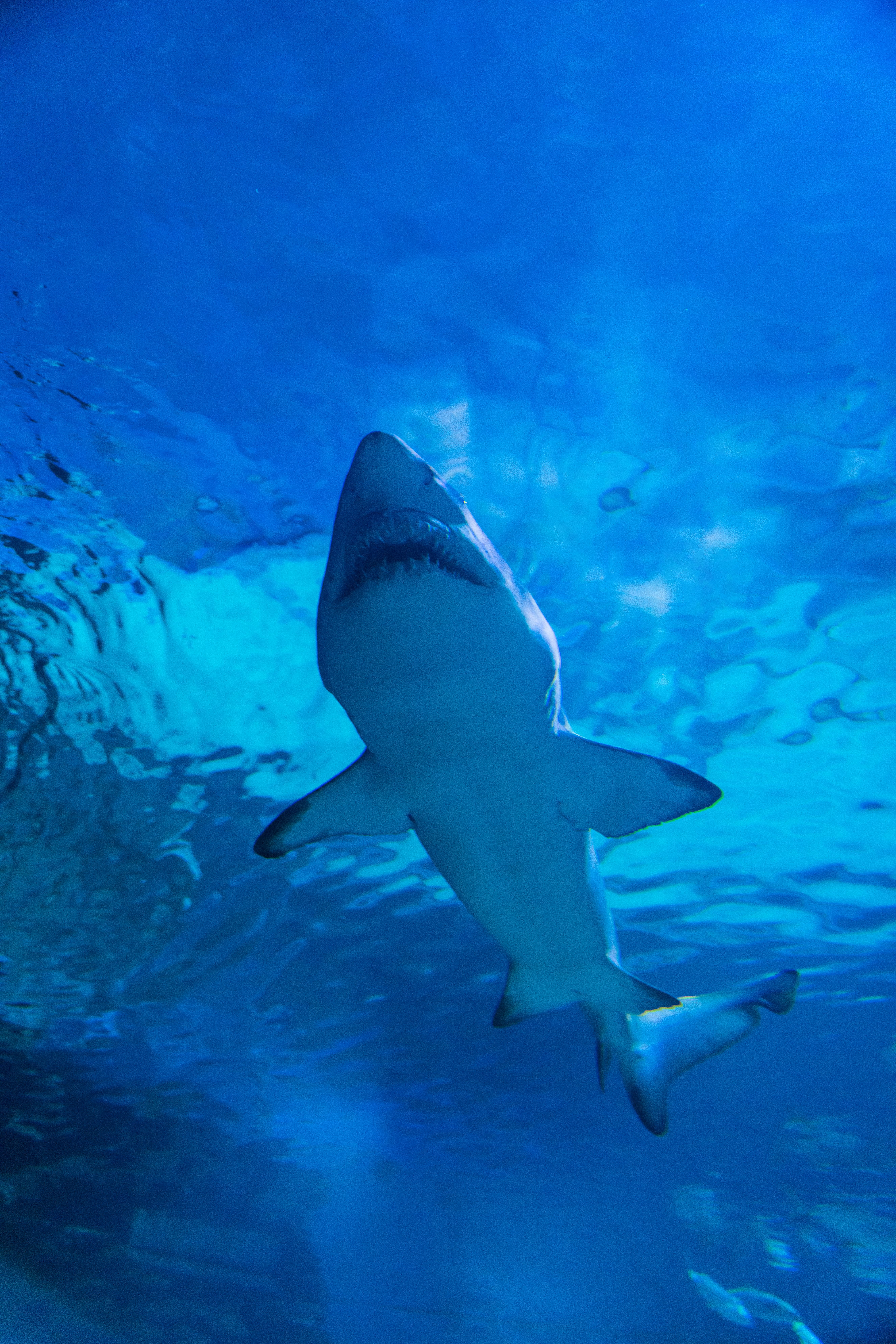
Researchers at the University of Miami are tagging tiger sharks with climate sensors, turning apex predators into mobile weather stations. The sharks dive deep into ocean layers where hurricanes gain their fuel, collecting data on temperature and salinity that could improve storm forecasts. It's a wild blend of marine biology and meteorology that might just save lives.
My Take
This is the kind of scrappy, cross-disciplinary thinking that actually moves the needle. Hurricane forecasting has been stuck in incremental improvement mode for years, squeezing marginal gains out of supercomputers and satellite resolution bumps. Meanwhile, sharks have been swimming through the exact data-poor zones that make or break a forecast, and nobody thought to hitch a ride until recently. It's brilliantly pragmatic. The real test comes this season. If shark data helps forecasters nail a rapid intensification event or correctly predict a weakening trend, the program will scale fast. NOAA should be throwing money at this instead of another weather satellite that does 90 percent of what the last one did. And if it works for hurricanes, why not typhoons in the Pacific? Tag some great whites off Japan and let them do the legwork. We've spent billions on hurricane tech that barely beats a coin flip for intensity. Let the sharks have a shot.
What Happens Next
The University of Miami team plans to double the number of tagged sharks by September 2026, focusing on the Caribbean and the waters off the Carolinas where hurricanes often undergo rapid intensification. NOAA is conducting a six-month pilot evaluation of the shark data's impact on operational forecasts, with results expected in early 2027. If the pilot succeeds, expect a much larger federal investment and potential integration of shark data into the official National Hurricane Center models. Beyond hurricanes, other researchers are eyeing the technology for different applications. There's talk of tagging whale sharks in the Indian Ocean to monitor monsoon patterns, and even using hammerheads to track ocean acidification in real time. The marine biology community is split on whether this represents a sustainable use of wildlife or sets a troubling precedent for instrumentalizing animals. That debate will heat up as the program expands. The 2026 Atlantic hurricane season runs through November 30, and forecasters are predicting above-average activity due to record ocean temperatures. If a major storm makes landfall on the U.S. coast this fall, the performance of shark-derived data will be scrutinized intensely. A successful forecast could turn this from a niche experiment into standard operating procedure within two years.
What History Tells Us
Using animals to gather environmental data isn't new. During World War II, the U.S. Navy trained pigeons to guide missiles, and the Soviet Union used dolphins for underwater mine detection. In the 1970s, researchers began tagging elephant seals with temperature sensors to map Antarctic waters. Those early biologging efforts proved that animals could access environments too harsh or expensive for humans to study directly. The shark hurricane project is the latest iteration of this idea, but with a crucial difference: the data feeds directly into operational forecasting systems that affect millions of people. Previous animal sensor programs were mostly for pure research. This one has immediate practical stakes.