 🌍 world
By WNT
Shake Shack's £50 Burger Bill Exposes Britain's Cost Crisis
Nearly £10 for a single cheeseburger. £15 for a triple patty. Three burgers and you're out £50. Shake Shack's UK pricing has become a lightning rod for fury over how unaffordable everyday luxuries have become in post-pandemic, post-inflation Britain.
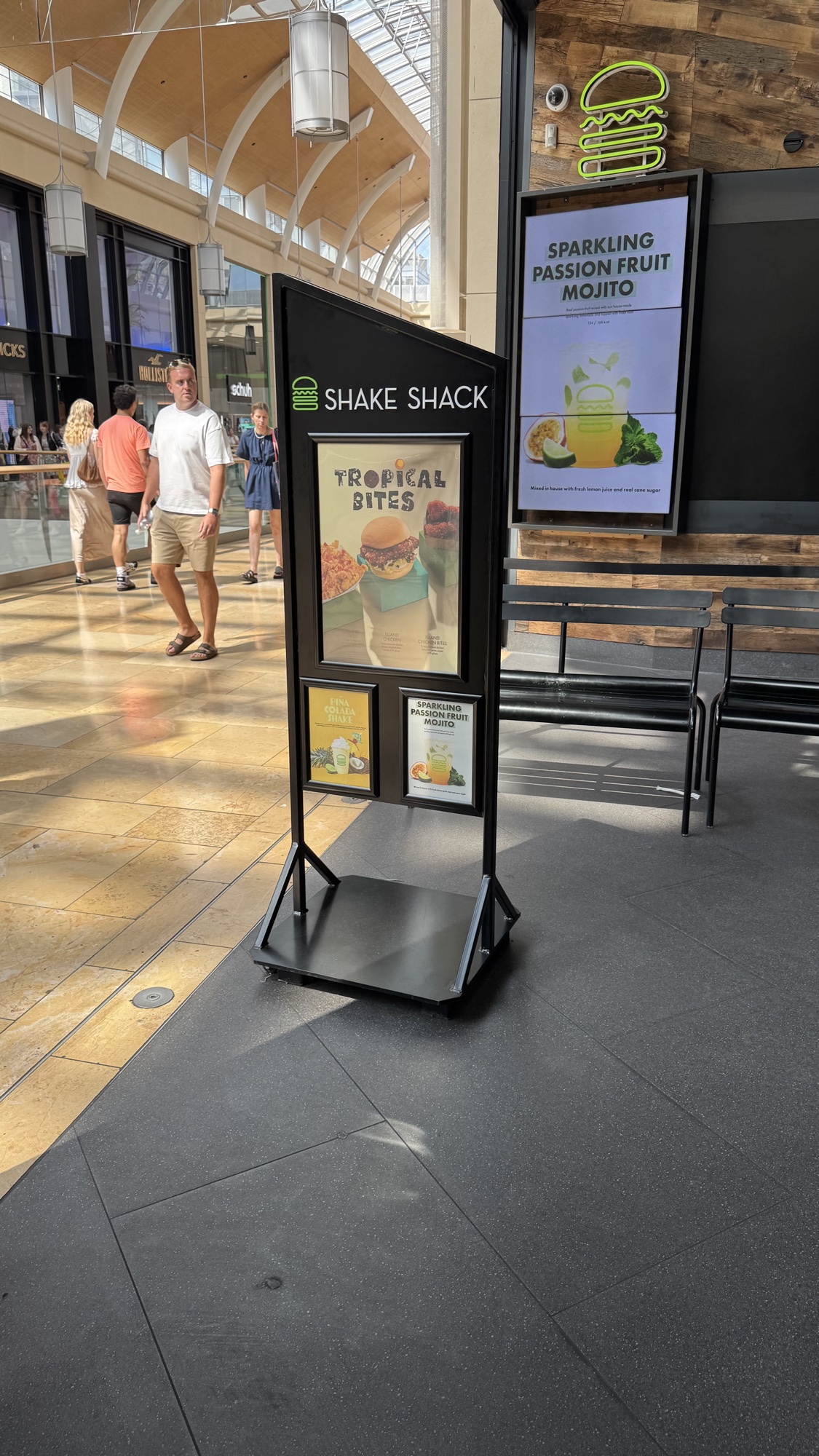
Walk into any Shake Shack in London today and prepare for sticker shock. A ShackBurger (their standard single cheeseburger) rings up at £11.95. Want the Triple ShackBurger with three patties? That's £17.55. Order three burgers for yourself and two mates and you've just dropped nearly £50 before fries, drinks, or the premium shake that gives the place its name. For a fast-casual chain that started as a hot dog cart in Madison Square Park, these prices feel less like premium dining and more like financial mugging.
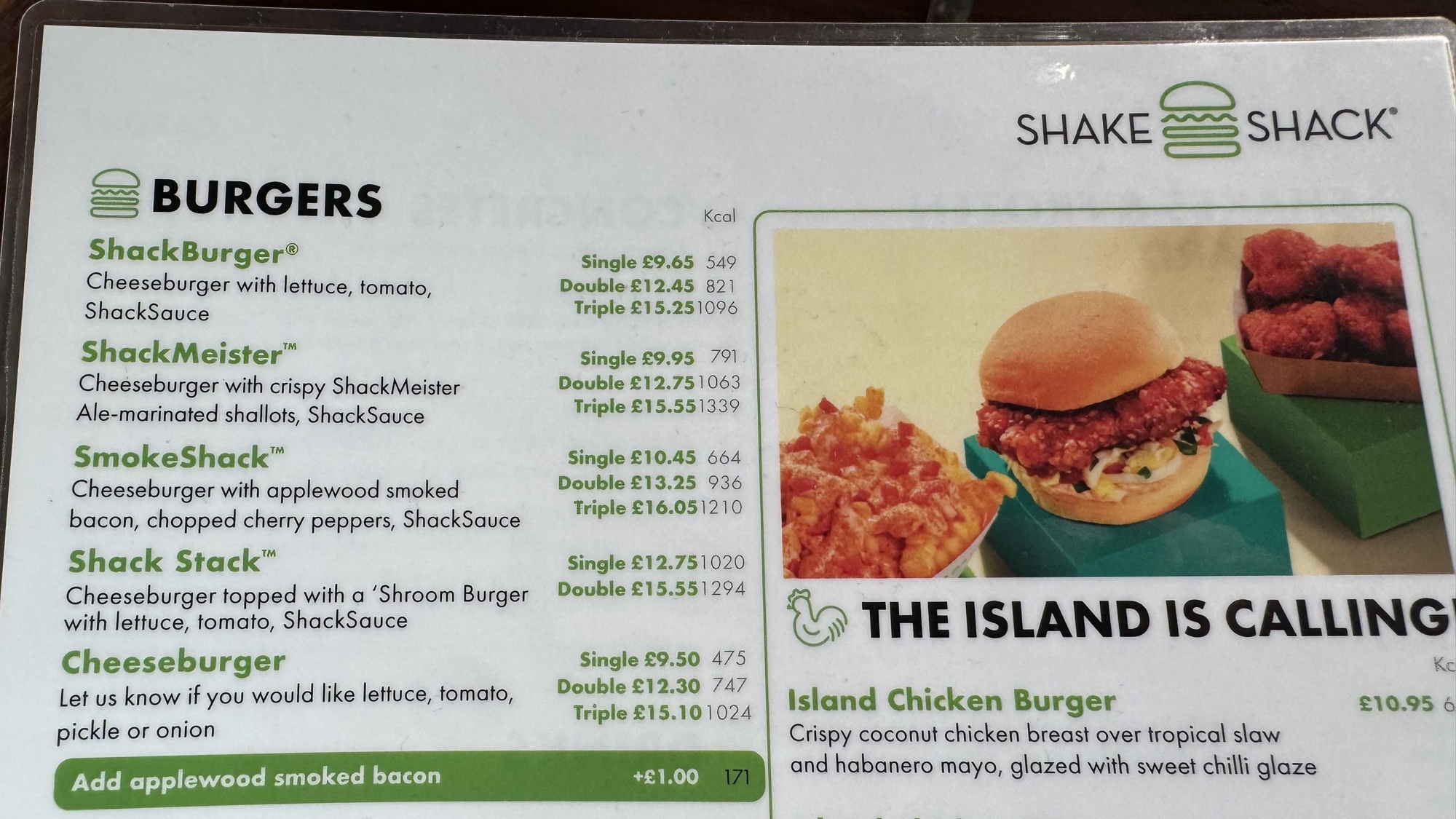
The numbers tell a brutal story about where Britain's economy has landed in 2026. According to recent consumer price tracking, Shake Shack's UK pricing sits roughly 40-50% higher than equivalent menu items in the United States when adjusted for exchange rates. A ShackBurger in New York costs around $6.29 to $7.50 depending on location (approximately £4.90 to £5.85), while Londoners pay £11.95 for the identical product. The gap widens further with premium items. This isn't unique to Shake Shack - Five Guys charges similar eye-watering amounts, with a standard burger and fries easily topping £20 - but Shake Shack's rapid UK expansion (the chain now operates 18-19 locations across Britain, mostly concentrated in London and the Southeast) has made it the poster child for overpriced American imports.
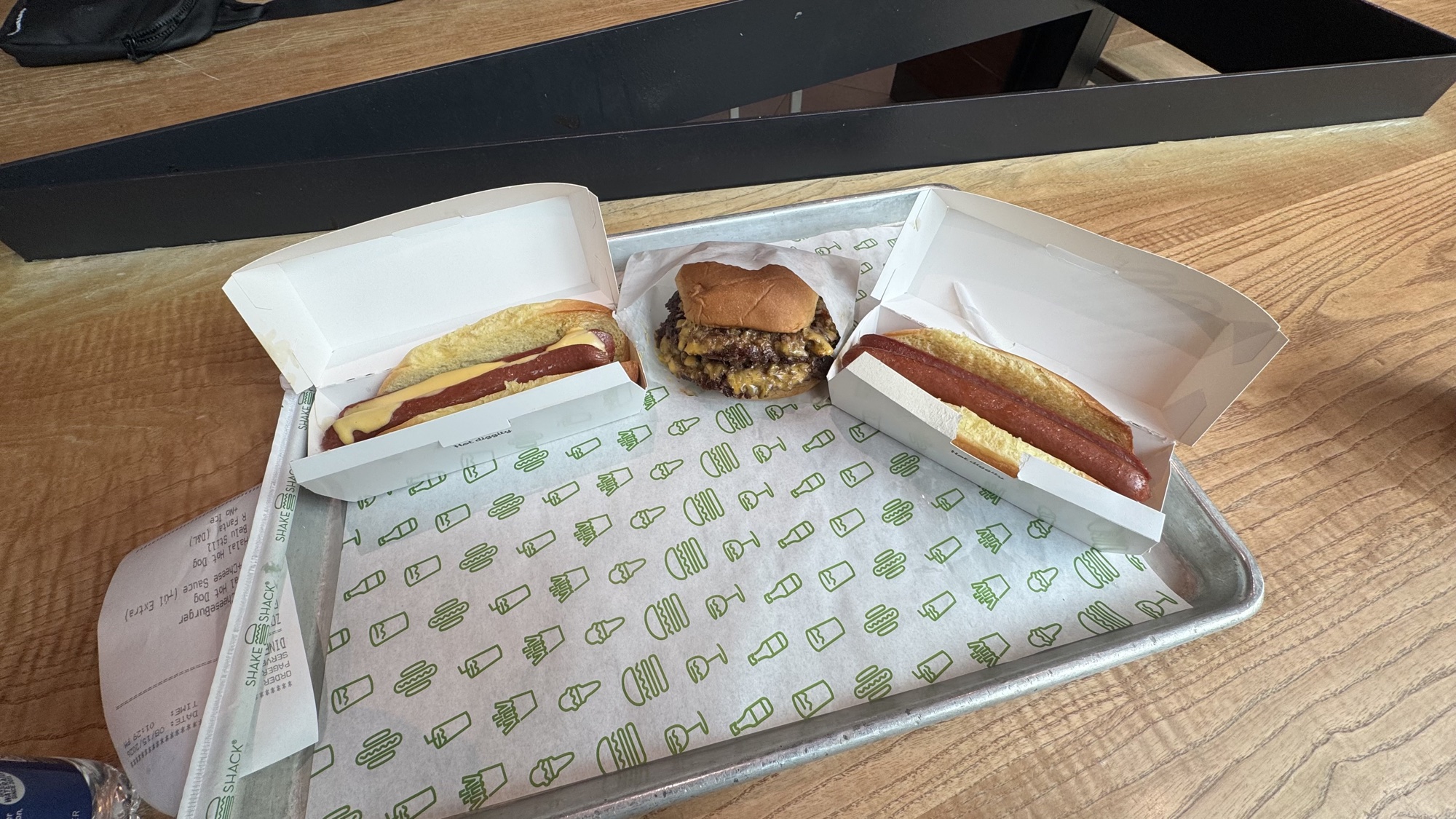
So how did we arrive at this absurd equilibrium where people actually queue up to pay £50 for three burgers? The answer is a toxic cocktail of factors. First, commercial rents in central London and other prime UK locations remain stratospheric. Shake Shack targets high-footfall areas - Covent Garden, Leicester Square, Canary Wharf - where landlords command premium rates. Second, labour costs have surged. The UK minimum wage increased to £11.44 per hour in April 2024 and continues climbing, while hospitality faces chronic staffing shortages that force chains to pay above statutory minimums to attract workers. Third, ingredient costs spiked during the 2022-2023 inflation crisis and never fully retreated. Beef prices in particular remain elevated, and Shake Shack's commitment to higher-welfare meat (they advertise 100% Aberdeen Angus British beef in the UK) adds further premium.
But the most uncomfortable truth is this: enough people are paying these prices to keep Shake Shack profitable. The queues haven't disappeared. Weekend lunch rushes still pack their restaurants. This reveals something darker about modern Britain - the widening chasm between those who can casually drop £50 on burgers and those for whom that sum represents a significant chunk of weekly grocery budget. According to the Office for National Statistics, real wages in the UK briefly returned to pre-2008 financial crisis levels in early 2020, but subsequently fell again during the 2021-2023 inflation crisis, and as of mid-2025 remain below 2008 levels for most workers. Meanwhile, luxury spending among high earners has barely flinched. The result is a two-tier consumer economy where premium brands like Shake Shack can charge whatever they want to the top quartile while everyone else watches from the sidelines.
The psychology of pricing plays a role too. Shake Shack isn't really competing with McDonald's or even Five Guys anymore - it's competing with casual dining restaurants. At £10 for a burger, customers mentally compare it to a sit-down meal at Nando's or Wagamama (where mains run £12-18). The Instagram-worthy interiors, the 'craft' positioning, the theatrical open kitchen - all of it works to justify prices that would have seemed insane a decade ago. Behavioural economists call this 'anchoring.' Once you've accepted that a decent burger meal costs £20-25, the actual price becomes almost irrelevant. You're buying an experience, a brand, a social media moment.
Yet the backlash is real and growing. Social media overflows with complaints about UK fast-food pricing. TikTok videos comparing British versus American prices for identical chains routinely go viral. Food inflation has become a political flashpoint, with opposition parties hammering the government over cost of living. When a burger and chips costs more than many people earn in an hour, something has broken. The question isn't whether Shake Shack can charge these prices - clearly they can - but whether they should, and whether a society that tolerates such extreme pricing disparities is functioning properly.
My Take
Here's the blunt reality: Shake Shack's UK pricing is price gouging dressed up in premium branding, and we're letting them get away with it because we've collectively lost our minds about what food should cost. There is no universe where a fast-food burger - assembled in four minutes by hourly workers using frozen patties and pre-sliced cheese - justifies a £10 price tag. None. The Aberdeen Angus beef doesn't cost three times what American beef costs. The rent is high, yes, but not £4.50-per-burger high. This is profiteering, pure and simple, enabled by a consumer base that's either too wealthy to care or too socially pressured to opt out.
The really infuriating part is how this pricing model has infected the entire UK food scene. Five Guys, Honest Burgers, even pub chains have all drifted upward, using each other as cover for incremental price hikes. Twenty years ago, a £10 burger would have been laughed out of existence. Now it's normalised. We've been boiled like frogs, each price rise small enough to swallow until suddenly you're looking at a £50 bill for lunch and wondering where it all went wrong. The inequality angle makes it worse - this is food segregation in action, where dining out becomes a luxury good reserved for those earning £50k-plus while everyone else makes do with meal deals and microwave dinners.
What particularly galls me is the inevitability of it all. Shake Shack will keep charging these prices because enough people keep paying them. There's no market correction coming, no consumer revolt that forces prices down. The wealthy will keep queuing, the rest will keep complaining online, and the gap between what food costs to make and what we're charged for it will keep widening. It's a microcosm of everything broken about modern capitalism - a race to extract maximum revenue from a shrinking pool of consumers who can actually afford to participate in normal economic life.
What Happens Next
Expect more of the same, unfortunately. Shake Shack shows no signs of moderating UK prices - their recent financial filings indicate strong per-store revenues in Britain despite higher price points, which means the current model is working exactly as intended from their perspective. The chain plans to open 10-15 additional UK locations through 2027, mostly targeting affluent areas and transport hubs where price sensitivity is lowest. They're betting correctly that Britain's two-tier economy can support premium pricing indefinitely.
The broader UK fast-food market will likely follow Shake Shack's lead. When one major chain proves customers will pay £10-15 for burgers without mass defection, competitors have every incentive to raise their own prices. We've already seen this with Five Guys and Honest Burgers matching or exceeding Shake Shack's pricing. The next wave will hit mid-market chains like Byron and GBK, who'll use 'ingredient quality' and 'sustainability' as cover for pushing prices toward the £12-15 range for standard burgers.
The only potential brake is recession. If unemployment rises significantly or consumer confidence collapses, discretionary spending on £50 burger lunches will evaporate quickly. But absent a serious economic shock, this is the new normal. A generation of Britons is growing up thinking £10 burgers are just what things cost, which means there's no downward pressure coming from changing expectations. Shake Shack has successfully trained UK consumers to accept prices that would have caused riots a decade ago, and every other chain is learning the same lesson.
What History Tells Us
Britain has been here before, though never quite this acutely. The 1970s saw similar fury over food inflation during the oil crisis era, when meat prices spiked and queues formed outside butchers. That crisis was driven by genuine supply shocks - droughts, trade disruptions, energy costs. What's different now is that today's food inflation is substantially driven by corporate pricing power rather than raw ingredient costs. Studies of UK supermarket pricing during the 2022-2023 inflation surge found that retailers and manufacturers expanded profit margins significantly, using headline inflation as cover for price increases that exceeded their actual cost pressures.
The Victorian era offers another parallel. During rapid industrialization, luxury goods imported from America (tinned foods, exotic produce) commanded massive premiums in Britain, creating a stark divide between those who could afford novelty and those who couldn't. Shake Shack is essentially playing the same game - it's an American import trading on brand cachet and aspirational positioning. The difference is that Victorians understood they were buying luxury. Today's consumers genuinely seem to believe £10 for a fast-food burger represents fair value rather than expensive theatre.
Market Impact
Shake Shack's parent company (ticker: SHAK on the New York Stock Exchange) has seen its share price trading around $71-75 per share as of mid-August 2026, as international expansion partially offsets slower US same-store sales growth. The UK market specifically represents a bright spot in investor presentations, with management highlighting high average check sizes and strong unit economics despite lower transaction volumes than US locations. The ability to charge premium prices in Britain without significant customer pushback has become a key part of Shake Shack's growth narrative.
Broader UK hospitality stocks paint a mixed picture. Premium casual dining chains like Dishoom and Hawksmoor have maintained strong performance, suggesting the high-end consumer segment remains resilient. Meanwhile, mid-market and budget chains face increasing pressure. The divergence supports the two-tier economy thesis - luxury dining thrives while mass-market options struggle, with little middle ground remaining. For investors, the lesson is clear: in post-inflation Britain, pricing power matters more than volume. Chains that can charge £50 for three burgers and get away with it will outperform those competing on value.