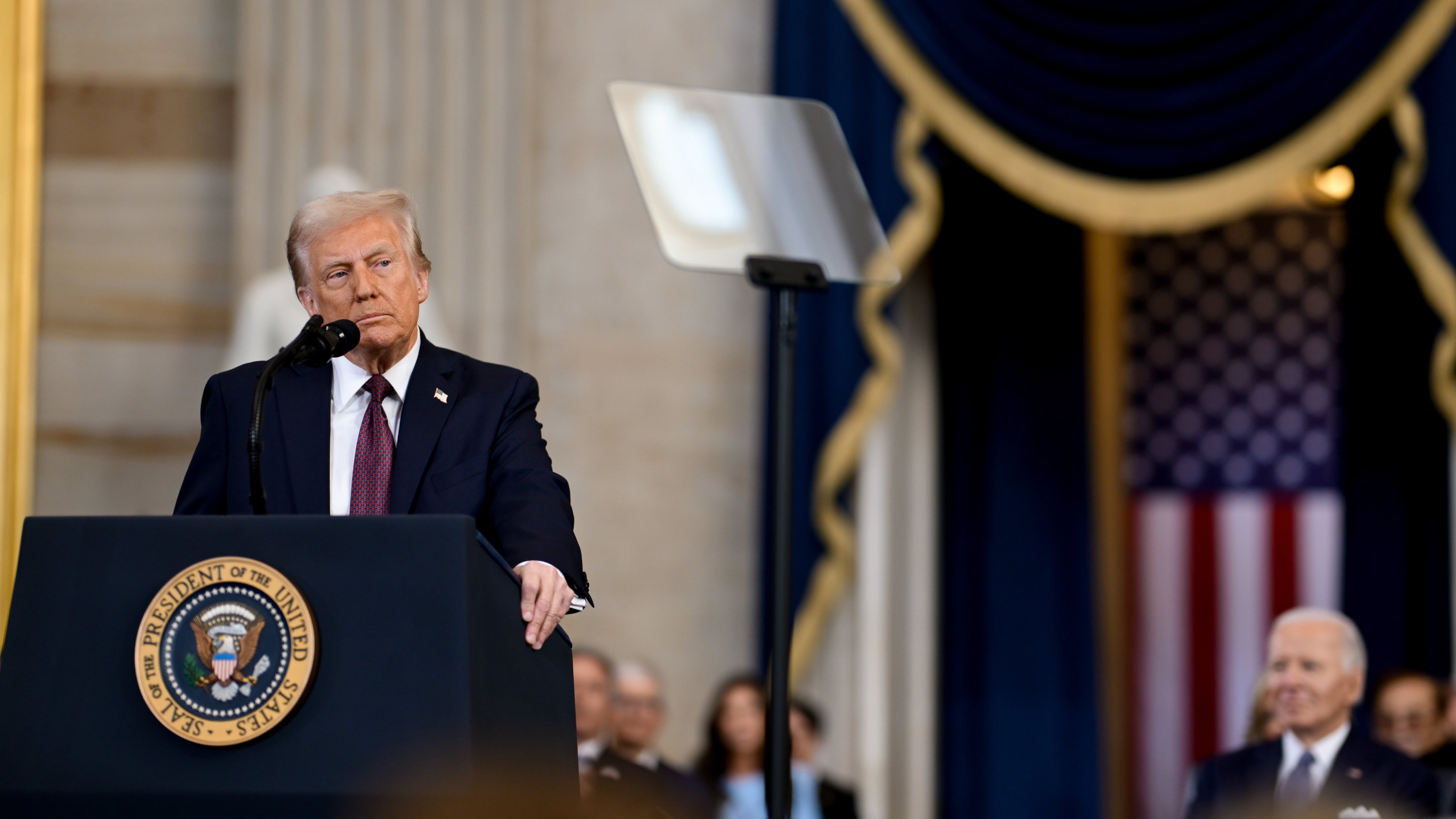
In late 2025, President Donald Trump intensified his criticism of Somali immigrants, referring to them as "garbage" and suggesting they "contribute nothing" to the United States. These comments were made during a cabinet meeting on December 2, 2025, where Trump also stated that Somalia is "not even a nation" and that Somali immigrants have "destroyed Minnesota." This rhetoric has been part of a broader pattern of disparaging remarks about Somali immigrants, including claims that they are "good at pirating ships at sea." These statements have been widely condemned by various organizations and individuals, including Representative Ilhan Omar, who denounced Trump's comments as "completely disgusting." The Somali government has also responded, with Prime Minister Hamza Abdi Barre stating that "we are not the only country that Trump insults" and suggesting that sometimes it's better not to respond. In response to these remarks, the Trump administration has taken concrete actions against Somali immigrants. On January 13, 2026, Department of Homeland Security Secretary Kristi Noem announced the termination of TPS for Somali nationals, effective March 17, 2026. TPS is a temporary immigration status granted to individuals from countries experiencing ongoing armed conflict, environmental disasters, or other extraordinary conditions. The administration justified this decision by asserting that conditions in Somalia had improved, making it no longer eligible for TPS. Critics, however, argue that this move is politically motivated and targets a specific community based on national origin. Additionally, reports have emerged of increased ICE operations in Somali communities, particularly in Minnesota, where a significant Somali population resides. These operations have been described as "targeted" and have raised concerns about racial profiling and the potential for community disruption. The administration's actions have sparked debates over immigration policy, racial discrimination, and the treatment of minority communities in the United States. The termination of TPS and the escalation of ICE activities coincide with a broader political climate marked by heightened anti-immigrant sentiment and divisive rhetoric. The administration's focus on Somali immigrants aligns with its broader immigration agenda, which has included efforts to restrict immigration from several countries and to tighten enforcement measures. These developments have significant implications for the Somali community in the U.S., raising questions about their future and the broader discourse on immigration and race in America. The situation has also prompted legal challenges. Civil rights organizations have filed lawsuits against the administration, arguing that the termination of TPS for Somali nationals is unlawful and discriminatory. These legal battles underscore the contentious nature of the administration's immigration policies and the ongoing struggle for immigrant rights in the United States.
 🏛️ politics
Trump's Anti-Somali Rhetoric Fuels Policy Shifts
President Trump's recent remarks targeting Somali immigrants have led to significant policy changes, including the termination of Temporary Protected Status (TPS) for Somali nationals and increased Immigration and Customs Enforcement (ICE) operations in Somali communities.
My Take
The Trump administration's recent actions against Somali immigrants are a stark reminder of the dangers of xenophobic rhetoric translating into policy. By terminating TPS for Somali nationals and escalating ICE operations in Somali communities, the administration is not only targeting a vulnerable population but also sending a message that certain communities are unwelcome in America. This approach undermines the nation's values of inclusivity and diversity. The legal challenges mounted by civil rights organizations are crucial in holding the administration accountable for policies that disproportionately affect minority communities. These lawsuits represent a fight for justice and equality, emphasizing the need to protect the rights of all individuals, regardless of their national origin. The outcome of these legal battles will have lasting implications for immigration policy and the treatment of immigrant communities in the United States.
What Happens Next
The legal challenges against the termination of TPS for Somali nationals are expected to proceed through the courts, potentially reaching the Supreme Court. If the courts rule in favor of the plaintiffs, the administration may be compelled to reinstate TPS for Somali nationals, leading to a significant policy reversal. Conversely, if the courts uphold the termination, it could set a precedent for future actions against other immigrant communities. The political ramifications of these developments will likely influence upcoming elections, with candidates' positions on immigration becoming a focal point for voters concerned about civil rights and social justice.