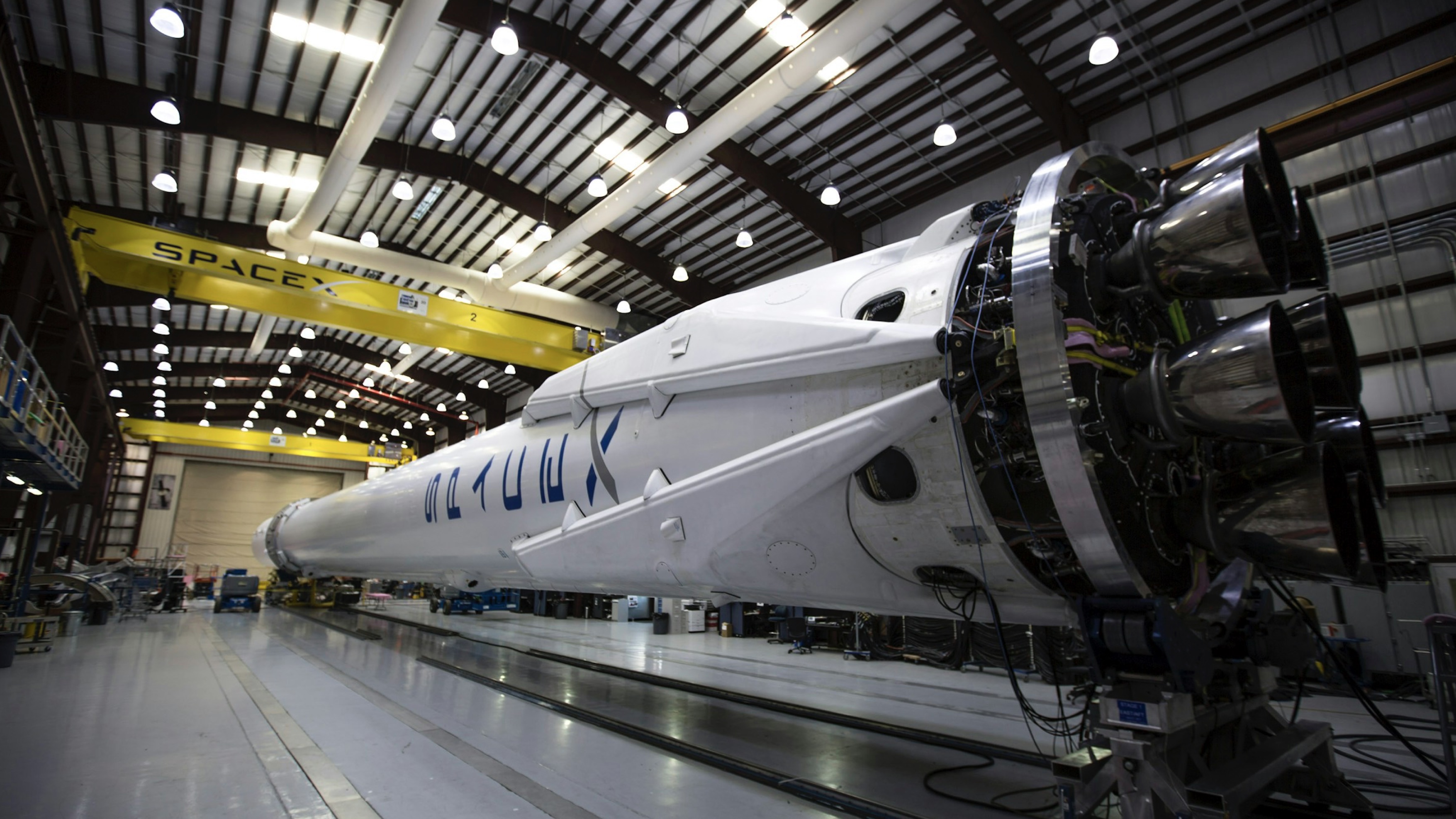
SpaceX's Starship, the world's largest and most powerful rocket, is poised to redefine deep space exploration. Recent studies suggest that by refueling in orbit and utilizing its heat-resistant design for aerobraking, Starship could reduce the journey to Uranus from over a decade to approximately six and a half years. This advancement addresses the significant challenge of Uranus's vast distance from Earth, approximately 1.8 billion miles, which has previously made missions to the planet both time-consuming and costly. The concept involves two key innovations. First, in-orbit refueling would allow the spacecraft to carry less fuel at launch, reducing its initial mass and enabling faster travel. Second, upon arrival, Starship's heat-resistant design could facilitate aerobraking in Uranus's atmosphere, slowing the spacecraft sufficiently to enter orbit rather than merely conducting a flyby. This dual approach not only shortens the mission duration but also enhances the feasibility of sustained exploration of Uranus. Despite these promising developments, the Uranus Orbiter and Probe mission remains in the conceptual phase. The mission's future depends on securing funding and overcoming technical challenges, including demonstrating Starship's capabilities for such deep space missions. The timeline for launching this mission is uncertain, with potential launch windows in the 2030s, but delays in Starship's development could push this further into the future. The implications of this potential mission are profound. Uranus, with its unique characteristics—such as its extreme axial tilt, irregular magnetic field, and numerous moons—offers a wealth of scientific opportunities. A dedicated mission could provide unprecedented insights into the formation and evolution of ice giants, contributing to our broader understanding of planetary science and the dynamics of our solar system. However, the path to realizing this mission is fraught with challenges. SpaceX has faced delays in Starship's development, with the next test flight now targeting early April 2026. These delays have raised concerns about meeting the timelines required for missions like the Artemis 4 lunar program, which relies on Starship as a key component. The success of the Uranus mission is contingent not only on technological advancements but also on the alignment of funding, political support, and international collaboration. In summary, while the integration of SpaceX's Starship into a mission to Uranus presents a transformative opportunity for space exploration, it is not without significant hurdles. The coming years will be critical in determining whether this vision can transition from concept to reality, potentially opening a new chapter in our exploration of the outer solar system.
 🔬 science
SpaceX's Starship: The Key to Unlocking Uranus Exploration
SpaceX's Starship could revolutionize missions to Uranus, slashing travel time by nearly half. This breakthrough hinges on in-orbit refueling and using Starship as a heat shield upon arrival, potentially transforming our understanding of the distant ice giant.
My Take
SpaceX's Starship represents a monumental leap in space travel, but its potential to revolutionize missions to distant planets like Uranus hinges on overcoming substantial technical and financial obstacles. The proposed in-orbit refueling and aerobraking techniques are innovative, yet unproven at such scales. The scientific community must balance enthusiasm with caution, ensuring that expectations align with the current capabilities of both SpaceX and the broader space exploration infrastructure. Moreover, the mission's success will depend on sustained political and financial support, which can be unpredictable. While the prospect of exploring Uranus is tantalizing, it should not overshadow the immediate need to address challenges closer to home, such as climate change and space debris management. Prioritizing resources for a mission to Uranus must be weighed against these pressing concerns, ensuring that our pursuit of knowledge does not come at the expense of addressing the challenges we face on Earth.
What Happens Next
In the coming months, SpaceX is expected to conduct the next test flight of Starship, focusing on demonstrating its capabilities for deep space missions. Success in these tests will be crucial for securing funding and political support for the Uranus mission. Concurrently, NASA and other space agencies may initiate discussions to collaborate on this mission, pooling resources and expertise to mitigate risks and share the scientific rewards. If these efforts align, a mission to Uranus could be launched within the next decade, marking a significant milestone in our exploration of the outer solar system. However, any further delays in Starship's development or shifts in political priorities could push this timeline further into the future, potentially postponing the mission indefinitely.