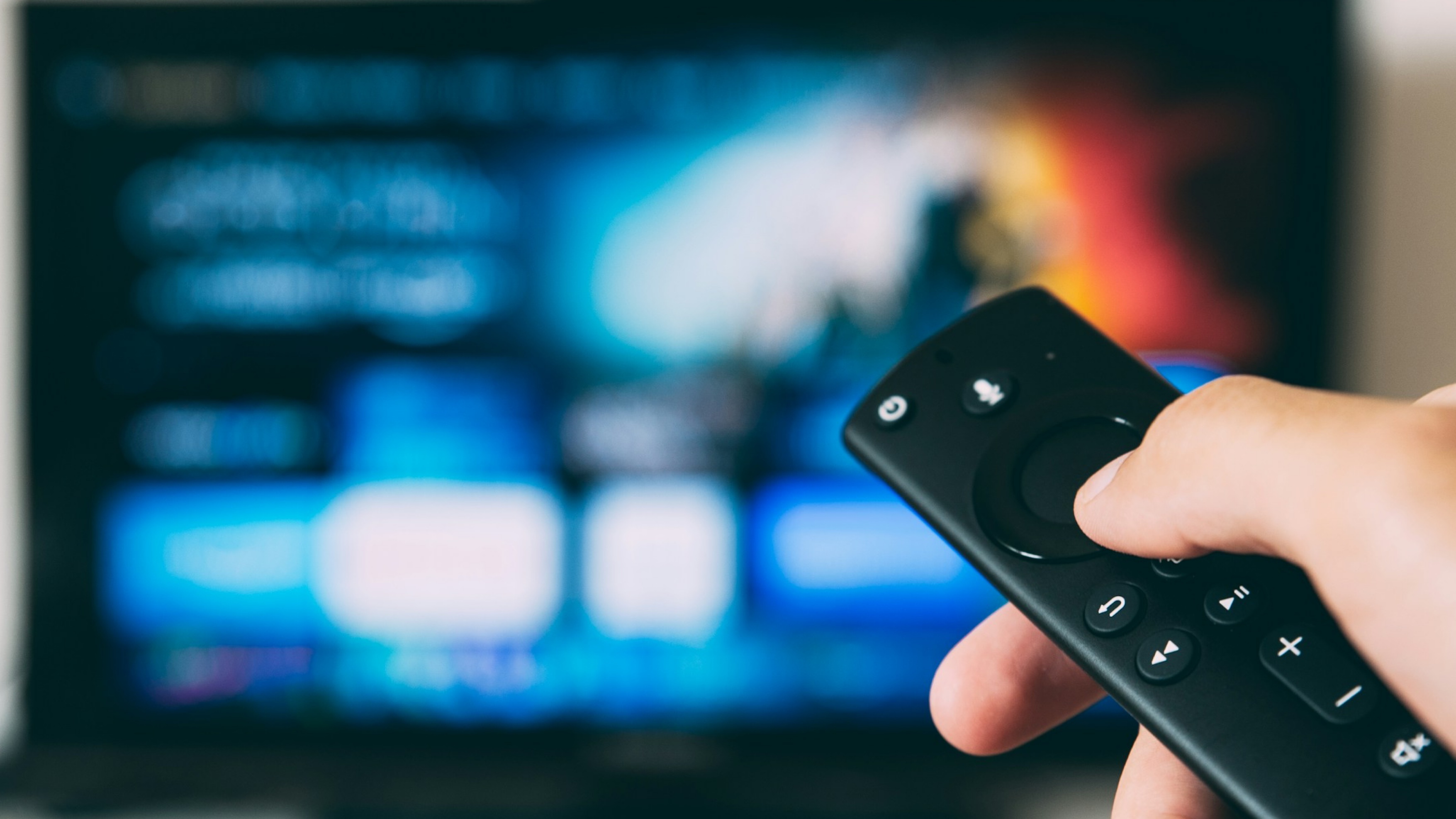
Streaming services are at it again, raising prices across the board. Netflix, for instance, has increased its Standard with Ads plan by $1 to $8.99 per month, and both Standard and Premium plans by $2, bringing them to $19.99 and $26.99 respectively. This marks the second price hike in just over a year, following a January 2025 increase. Similarly, Amazon has rebranded its ad-free Prime Video plan as 'Prime Video Ultra' and bumped the price from $2.99 to $4.99 per month, now offering features like 100 offline downloads and exclusive 4K streaming. These moves are part of a broader industry trend where streaming services are pushing for profitability by increasing subscription fees. The combined cost of ad-free subscriptions from major platforms now totals $133 per month, rivaling traditional cable bills. This surge in prices, often referred to as 'streamflation,' is causing consumers to reconsider their subscriptions. Some are opting for ad-supported tiers to save money, while others are questioning the value of multiple streaming services. The question remains: will this trend continue, or will companies find a balance between profitability and customer retention?
 📈 business
Streamflation: Streaming Services Price Hikes Hit Wallets Hard
Streaming services are hiking prices again, making it harder for consumers to keep up. With Netflix, Amazon Prime Video, and others raising rates, subscribers are feeling the pinch. Is this the new normal for 'streamflation'?
My Take
Enough is enough. Streaming services are bleeding us dry with these constant price hikes. First, they lure us in with affordable plans, and now they're nickel-and-diming us at every turn. It's time to take a stand. We need to demand fair pricing and better value. If these companies can't deliver, maybe it's time to cut the cord and go back to good old-fashioned cable. At least then, we knew what we were getting into. The streaming industry needs to realize that consumers have limits. Push us too far, and we'll find other ways to get our entertainment fix. So, here's a message to Netflix, Amazon, and the rest: shape up or ship out. We're not your cash cows anymore.
What Happens Next
As streaming services continue to raise prices, consumers will likely start to push back. We might see a shift towards more ad-supported tiers, as viewers look to save money. Additionally, the rise of free or lower-cost streaming platforms could disrupt the market, forcing established services to reconsider their pricing strategies. If companies don't listen to their customers, they risk losing subscribers to more affordable alternatives. The next few months will be crucial in determining whether the streaming industry can find a balance between profitability and customer satisfaction.
Market Impact
The recent price hikes in streaming services are likely to have a short-term positive impact on the stock prices of companies like Netflix (NFLX), Amazon (AMZN), and others, as investors anticipate increased revenue. However, if these price increases lead to significant subscriber losses, the long-term impact could be negative. For instance, Netflix's stock (NFLX) is currently trading at $103.02, up 0.95% from the previous close. Amazon's stock (AMZN) is at $238.43, up 2.05%. Investors should monitor subscriber growth and retention rates closely to gauge the true impact of these price hikes.