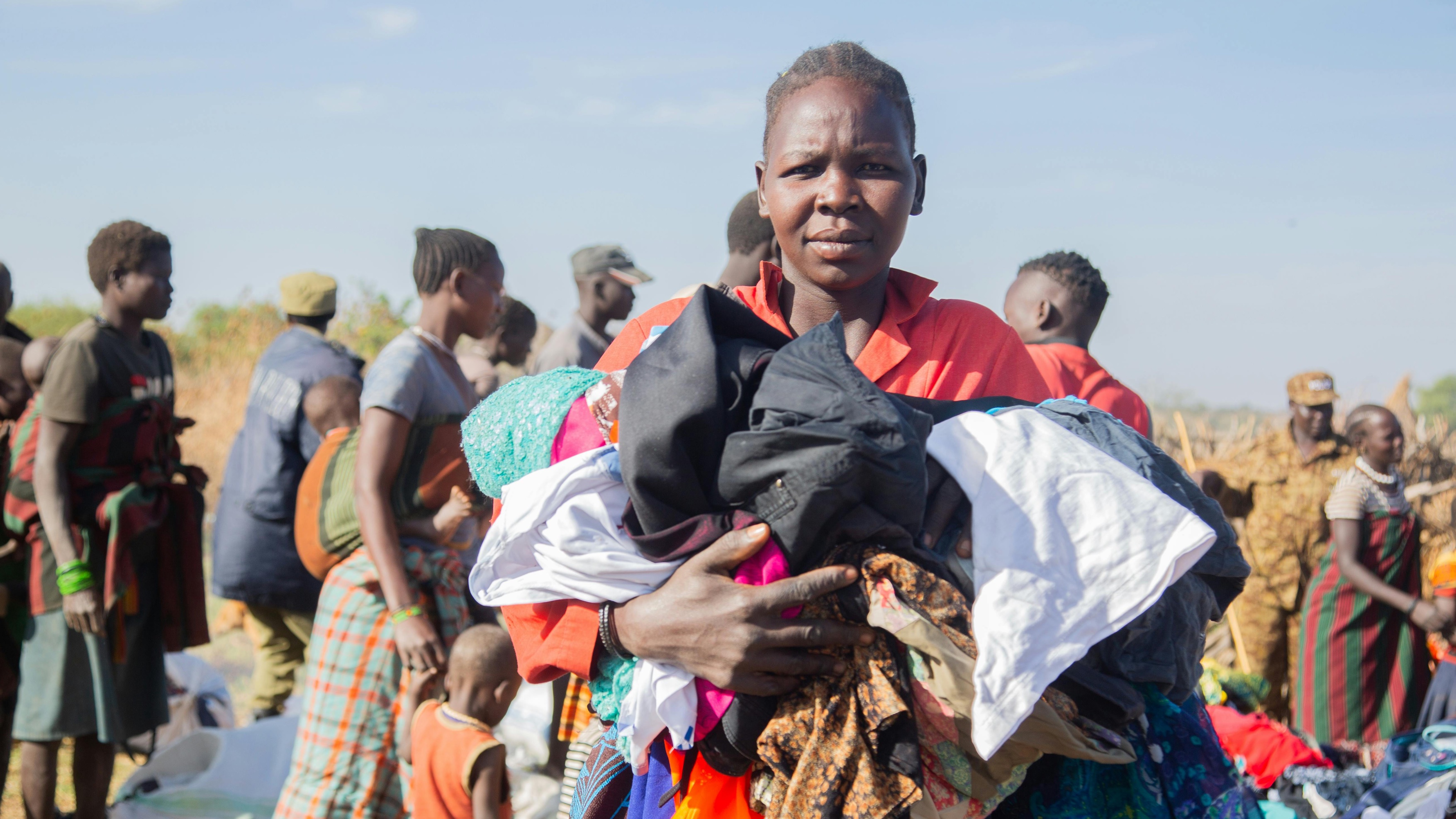
Since April 2023, Sudan has been engulfed in a brutal civil war between the Sudanese Armed Forces (SAF) and the paramilitary Rapid Support Forces (RSF). This conflict has precipitated one of the most severe humanitarian crises in recent history. As of April 2026, approximately 14 million people—about a quarter of Sudan's population—have been displaced, with 9 million internally and 4.4 million seeking refuge in neighboring countries such as Chad, South Sudan, and Egypt. (ungeneva.org) The humanitarian situation is dire. The United Nations Office at Geneva reports that 21 million Sudanese are facing acute food insecurity, including 6.3 million in a state of emergency. The conflict has decimated food production capacities, particularly in Khartoum, and destroyed veterinary laboratories essential for livestock health. (ungeneva.org) Healthcare infrastructure has been severely compromised. The World Health Organization (WHO) indicates that over 40% of the country's population requires urgent health assistance. Attacks on healthcare facilities have rendered many hospitals non-functional, and disease outbreaks are rampant. The WHO has verified more than 200 attacks on healthcare, resulting in 2,052 deaths. (ungeneva.org) The international response has been inadequate. The United Nations Secretary-General's Personal Envoy for Sudan, Pekka Haavisto, has engaged with various stakeholders, including Sudanese armed groups and civilian political actors, to de-escalate the conflict and protect civilians. However, these efforts have yet to yield substantial progress toward peace. (un.org) The European Union has called for increased engagement to ensure rapid, unimpeded, and sustainable humanitarian access and the protection of civilians across all of Sudan. Despite these calls, the situation remains precarious, with millions of Sudanese enduring unimaginable hardships. (hrw.org)
 🌍 world
Sudan's War: A Nation in Ruins and Despair
As Sudan's civil war enters its fourth year, the nation is grappling with unprecedented displacement, hunger, and a shattered healthcare system. The international community's response remains tepid, leaving millions to face an uncertain future.
My Take
The international community's tepid response to Sudan's crisis is a glaring indictment of global indifference. While diplomatic talks continue, the suffering of millions intensifies daily. It's time for the world to move beyond rhetoric and take decisive action to end this humanitarian nightmare. The United Nations and the European Union must leverage their influence to pressure all parties involved in the conflict to cease hostilities and allow unfettered humanitarian access. The current trajectory is unsustainable, and without immediate intervention, Sudan risks descending further into chaos.
What Happens Next
In the coming months, the United Nations and the European Union are expected to intensify diplomatic efforts, potentially imposing sanctions on key figures within the SAF and RSF to pressure them into negotiations. Simultaneously, humanitarian organizations may increase their presence in Sudan, focusing on providing essential services to the displaced populations. However, the success of these initiatives hinges on the cooperation of all parties involved, which remains uncertain.