Tesla's Shanghai Gigafactory, a cornerstone of the company's global manufacturing network, is poised to become a central hub for the production of humanoid robots. During a recent government-organized tour, Tesla's Vice President and President of Tesla China, Wang Hao, highlighted the facility's potential in addressing the challenges associated with scaling up robot production. He emphasized that, like other Tesla factories, Giga Shanghai is well-equipped to undertake the manufacturing of new products, including robots, thereby contributing significantly to the company's expansion into robotics. This strategic pivot reflects Tesla's broader ambition to diversify its portfolio beyond electric vehicles. CEO Elon Musk has been vocal about the need to focus on artificial intelligence and robotics, envisioning a future where robots perform tasks ranging from household chores to elder care. The decision to repurpose existing manufacturing infrastructure, such as the Shanghai Gigafactory, underscores Tesla's commitment to rapidly advancing its robotics initiatives. The Shanghai facility's existing assembly lines, robotic integration systems, and supply chain networks provide a solid foundation for humanoid robot production. Tesla's experience in high-precision manufacturing, particularly in electric vehicles, translates well to the demands of building sophisticated robots. The company's vertical integration strategy, which includes in-house production of key components like battery cells and motors, further strengthens its position in the robotics sector. However, the transition to mass-producing humanoid robots presents unique challenges. Unlike vehicles, robots require precise calibration of multiple actuator systems, complex wiring harnesses, and extensive software validation procedures. Tesla's established expertise in vehicle electrical architectures offers a competitive edge, but the company must adapt its processes to meet the higher precision required for humanoid robots. Additionally, the integration of advanced AI capabilities, such as Tesla's Full Self-Driving (FSD) neural networks and custom-designed AI chips, will be crucial in ensuring the robots' functionality and safety. The Shanghai Gigafactory's role in this endeavor is not just about leveraging existing infrastructure; it's also about tapping into China's robust manufacturing ecosystem. The region's proximity to a vast network of electronics suppliers provides access to critical components like sensors, processors, and specialized parts essential for robot development. This strategic location positions Tesla to scale up production efficiently and meet the growing global demand for humanoid robots. In summary, Tesla's Shanghai Gigafactory is set to play a pivotal role in the company's ambitious plans to mass-produce humanoid robots. By repurposing existing manufacturing capabilities and integrating advanced AI technologies, Tesla aims to revolutionize the robotics industry, moving beyond its roots in electric vehicles to become a leader in artificial intelligence and robotics.
 💻 technology
Tesla's Shanghai Gigafactory: The Future of Humanoid Robots
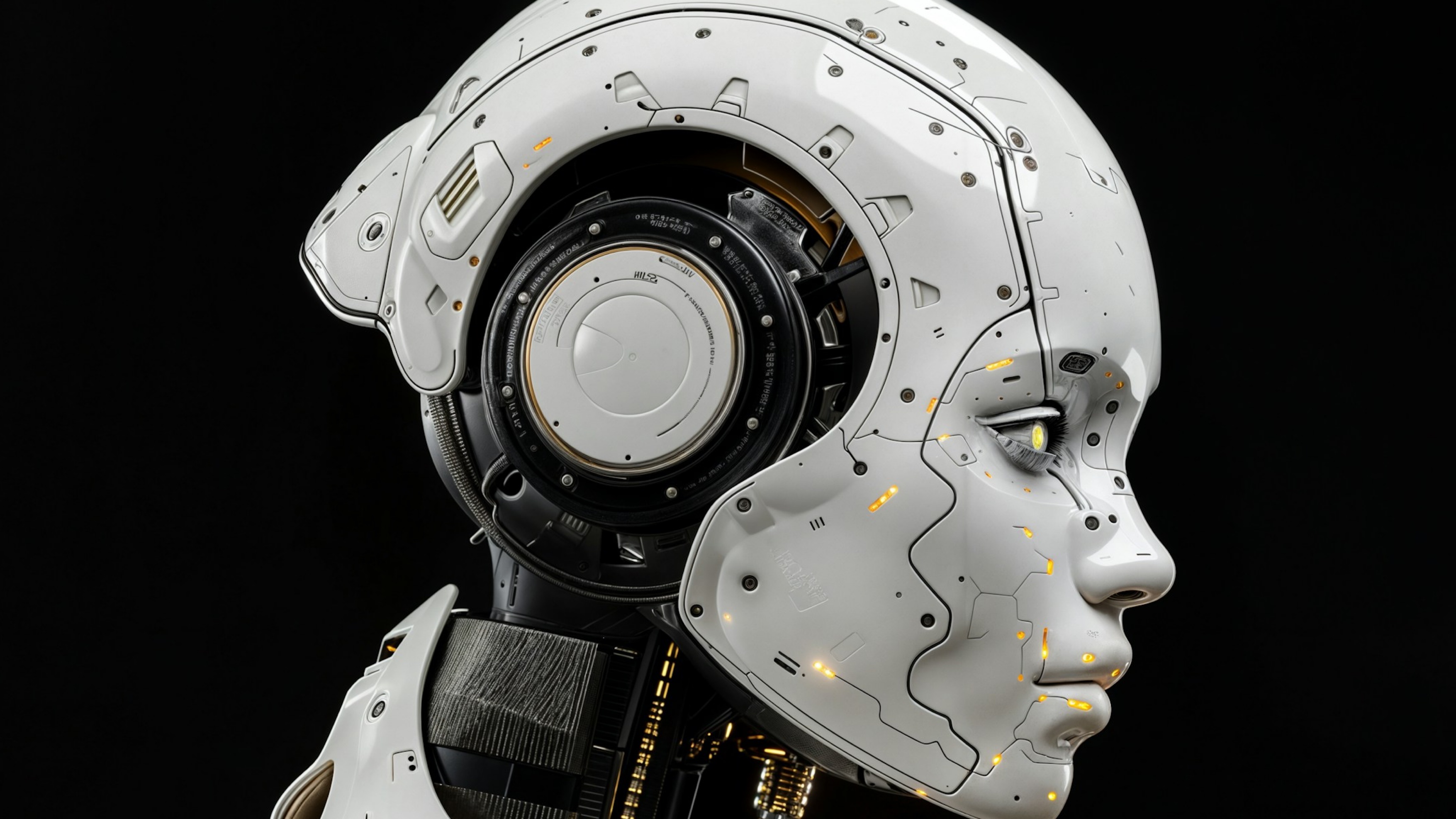
Tesla's Shanghai Gigafactory is set to play a pivotal role in mass-producing humanoid robots, marking a significant shift in the company's strategic focus. This move aligns with CEO Elon Musk's vision of integrating artificial intelligence into everyday life, moving beyond electric vehicles to advanced robotics.
My Take
Tesla's move to produce humanoid robots at its Shanghai Gigafactory is a bold and strategic shift that could redefine the company's future. By leveraging existing manufacturing infrastructure and its expertise in AI, Tesla is positioning itself at the forefront of the robotics industry. This transition not only diversifies Tesla's product offerings but also aligns with Elon Musk's vision of integrating AI into daily life, potentially transforming industries ranging from healthcare to entertainment. However, the success of this venture will depend on Tesla's ability to navigate the technical challenges of robot manufacturing and effectively integrate advanced AI capabilities into its products.
What Happens Next
Tesla's Shanghai Gigafactory is set to commence production of humanoid robots by the end of 2026, with initial units likely focusing on internal applications to validate manufacturing processes and AI integration. The company plans to scale up production rapidly, aiming to meet both domestic and international demand. As Tesla refines its robot manufacturing capabilities, it may explore partnerships with other tech companies to enhance AI functionalities and expand its market reach. The success of this initiative could lead to the development of new robot models tailored for various industries, further solidifying Tesla's position in the robotics sector.