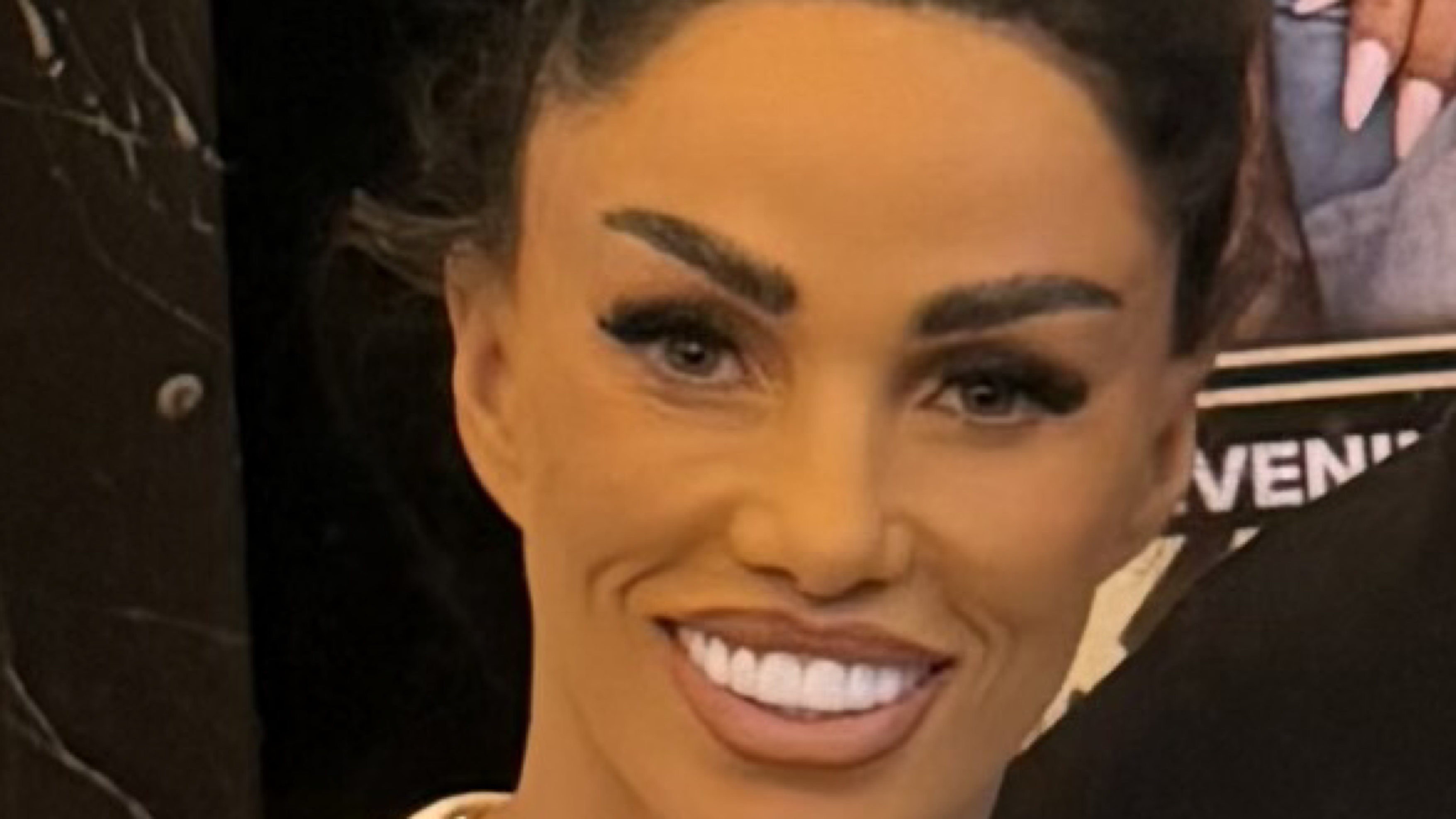
The business model is beautifully simple: create drama, sell the story, rinse, repeat. UK tabloids pay anywhere from £10,000 to £100,000 for exclusive celebrity stories, depending on the name recognition and scandal quotient. A standard breakup exclusive with a C list reality star might fetch £15,000 to £25,000, while A listers in genuine crisis can command six figures. Katie Price has mastered this economy better than anyone in British media history. Since her 2004 marriage to Peter Andre, she has monetized every relationship milestone, from engagement announcements to infidelity revelations to divorce proceedings, across a rotating roster of tabloid partners including The Sun, OK! Magazine, and New! Magazine. The financial mechanics work like this across multiple revenue streams:
- Initial exclusive announcement: £20,000 to £50,000 for first reveal of new relationship or engagement
- Staged paparazzi photos: £5,000 to £15,000 per set, sometimes arranged through agencies who split fees 50 50 with the celebrity
- Breakup exclusive: £25,000 to £75,000 depending on drama level and photo rights
- Follow up interviews: £10,000 to £30,000 for "my side of the story" pieces
- Social media posts: £3,000 to £10,000 per sponsored Instagram post during peak drama periods when engagement spikes
- Reality TV opportunities: £100,000 to £500,000 per series documenting the aftermath
Price has cycled through this pattern with at least eight high profile relationships since 2004, including marriages to Andre, Alex Reid, and Kieran Hayler. Her current relationship status as of May 2026 involves boyfriend JJ Slater, a former Love Island contestant, with whom she has already sold multiple exclusives about their "rocky" relationship and subsequent reconciliations. The tabloids get clicks and newsstand sales. She gets cash and relevance. It's a perpetual motion machine fueled by public appetite for schadenfreude. The paparazzi angle deserves its own examination because those "candid" beach photos are rarely candid at all. Celebrities and their agents often pre arrange photo opportunities with specific agencies, sometimes even selecting locations and outfits in advance. The agency sells the photos to tabloids and photo syndicates worldwide, with the celebrity receiving 40 to 60 percent of total licensing fees. A good "breakup beach cry" photo set can generate £20,000 to £50,000 in total sales across multiple publications and websites. Price has been photographed in suspiciously well lit "emotional moments" countless times, always camera ready despite the alleged spontaneity. Z list celebrities who lack Price's name recognition have adapted the model for the Instagram age. Love Island contestants, reality TV also rans, and influencers with modest followings now manufacture micro dramas tailored for Daily Mail's sidebar of shame and tabloid websites hungry for content. A Love Island finalist might earn £3,000 for a staged breakup exclusive with a tabloid website, then leverage the attention boost to charge brands £1,500 to £5,000 per sponsored Instagram post instead of their usual £500 to £1,000 rate. The drama provides the relevance spike needed to maintain commercial viability. Without it, they fade into obscurity and lose access to the appearance fees, nightclub bookings, and brand partnerships that constitute their actual income. The tabloids themselves operate on razor thin margins in 2026, with print circulation collapsing and digital advertising revenue failing to compensate. They need guaranteed traffic, which celebrity drama reliably delivers. A Katie Price breakup story might generate 500,000 to 2 million page views, worth approximately £5,000 to £15,000 in advertising revenue, plus newsstand bump if it makes the cover. The exclusive costs them £30,000, but the total value including syndication rights, social media traffic, and brand positioning justifies the expense. It's a mutually dependent ecosystem: tabloids need content, celebrities need cash and attention, and both need the public to keep clicking.