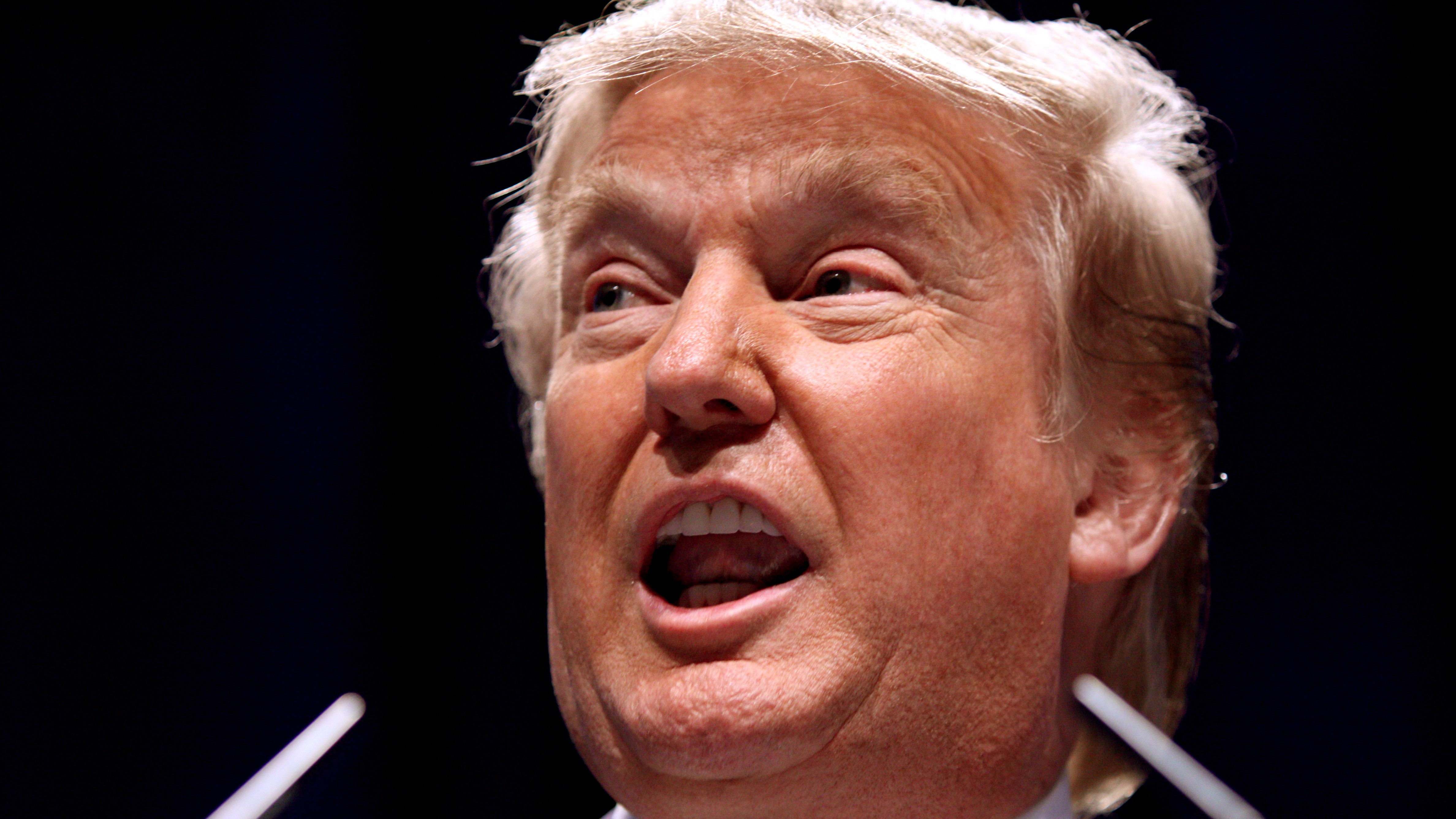
In a bold move that has sent shockwaves through international diplomacy, President Donald Trump has issued a stern warning to Iranian negotiators, urging them to 'get serious soon' about ceasefire negotiations. This ultimatum comes on the heels of Tehran's reported rejection of a comprehensive 15-point peace proposal aimed at ending the ongoing conflict in the Middle East. Trump's remarks, made via his social media platform, Truth Social, highlight the deepening rift between the U.S. and Iran, with both sides entrenched in their positions. The U.S. peace proposal, crafted to address key issues fueling the conflict, was met with resistance from Iranian officials, who deemed the terms excessive and insisted on a resolution based on Iran's own terms and timeline. This rejection has intensified concerns about the potential for prolonged hostilities and the humanitarian crisis unfolding in the region. The White House, however, has downplayed reports of the rejection, emphasizing that negotiations remain 'productive' and that no formal rejection has been received. Press Secretary Karoline Leavitt suggested that the U.S. is nearing its main objectives and claimed that mounting military pressure is pushing Iran to seek a way out. The conflict has already taken a significant toll, with over 1,900 deaths reported in Iran and substantial casualties in neighboring countries. The war has also disrupted global oil markets, with prices soaring above $100 per barrel due to the blockade of the Strait of Hormuz, a critical chokepoint for global oil shipments. The environmental impact is equally dire, with burning oil fields and military operations polluting water and agriculture, potentially affecting the region for decades. International reactions have been mixed. While some European leaders have distanced themselves from the conflict, NATO Secretary General Mark Rutte has expressed unwavering support for Trump's military actions, stating that it's 'logical' for European allies to join in reopening the Strait of Hormuz. This stance has drawn sharp criticism from other European officials, who warn of severe political and security consequences. The United Nations has called for an immediate ceasefire and a return to diplomatic negotiations, but so far, these appeals have been largely ignored by both parties. The situation remains fluid, with ongoing efforts by mediators from Pakistan, Egypt, and Turkey to facilitate dialogue between the U.S. and Iran. However, the prospects for a peaceful resolution appear increasingly remote as both sides continue to escalate military actions and rhetoric. The international community watches with bated breath, hoping for a de-escalation but fearing the worst. My Take: Trump's ultimatum to Iran is a high-stakes gamble that could either force Tehran to the negotiating table or plunge the region into deeper chaos. The rejection of the U.S. peace plan by Iran suggests a deep-seated mistrust and a reluctance to compromise, making a peaceful resolution seem unlikely. The White House's downplaying of the rejection and insistence on 'productive' negotiations may be a strategic move to maintain leverage, but it also risks underestimating the complexities of the conflict. The involvement of European leaders like Rutte complicates the situation further, as their support for U.S. actions may alienate other international partners and exacerbate tensions. Ultimately, the path to peace requires genuine dialogue and concessions from both sides, something that currently seems elusive. Key People: Donald Trump, President of the United States; Karoline Leavitt, White House Press Secretary; Mark Rutte, NATO Secretary General; Abbas Araghchi, Iranian Foreign Minister. What Happens Next: The U.S. and Iran are on a collision course, with Trump's ultimatum potentially leading to intensified military actions. If Iran continues to reject U.S. terms, the conflict could escalate, drawing in more regional and global powers. Conversely, if diplomatic efforts succeed, a ceasefire could be brokered, but this seems increasingly unlikely given the current trajectory. Agreed Facts: 1. President Trump has issued a warning to Iranian negotiators to 'get serious' about ceasefire negotiations. 2. Iran has reportedly rejected a 15-point U.S. peace proposal. 3. The conflict has resulted in over 1,900 deaths in Iran and significant casualties in neighboring countries. 4. The war has disrupted global oil markets, with prices exceeding $100 per barrel. 5. International reactions are mixed, with some European leaders supporting U.S. actions and others calling for de-escalation. Lean Narratives: 1. Center-leaning media focus on the humanitarian crisis and the need for diplomatic solutions. 2. Right-leaning media emphasize the threat posed by Iran and support for Trump's hardline stance. 3. Center-right media highlight the geopolitical implications and the role of international alliances. Coverage Gaps: 1. Center-leaning coverage may underreport the strategic military objectives of the U.S. 2. Right-leaning coverage may downplay the humanitarian impact of the conflict. 3. Center-right coverage may overlook the complexities of international diplomacy involved in the situation.
 🌍 world
Trump's Ultimatum: Iran's Last Chance for Peace
President Trump demands Iran 'get serious' in ceasefire talks, warning of dire consequences. Tehran's rejection of U.S. peace plan escalates tensions.