In a groundbreaking achievement, researchers at Vienna University of Technology (TU Wien) and the data storage company Cerabyte have created the world's smallest QR code, measuring just 1.98 square micrometers. This is smaller than most bacteria and requires an electron microscope to be seen. The QR code's pixels are only 49 nanometers wide, about one-tenth the wavelength of visible light, making it invisible to the naked eye. The team used focused ion beam technology to etch the QR code into a thin ceramic film, a material known for its stability and durability. Unlike traditional data storage methods, this ceramic-based approach doesn't require power or cooling, potentially allowing data to be preserved for centuries or even millennia. This development could revolutionize data storage by providing a more sustainable and long-lasting solution. The researchers aim to scale up this technology, increase writing speeds, and develop manufacturing processes suitable for industrial applications. This could lead to the creation of ultra-durable, low-energy data storage systems capable of preserving vast amounts of information over extended periods. The potential applications are vast, from archiving important historical documents to storing critical scientific data that needs to be preserved for future generations. The success of this project marks a significant step forward in the field of data storage, combining cutting-edge nanotechnology with materials science to create a solution that addresses many of the limitations of current storage methods. As the digital world continues to generate ever-increasing amounts of data, innovations like this are crucial for ensuring that information can be stored securely and sustainably for the long term.
 💻 technology
Tiny QR Code Could Revolutionize Data Storage Forever
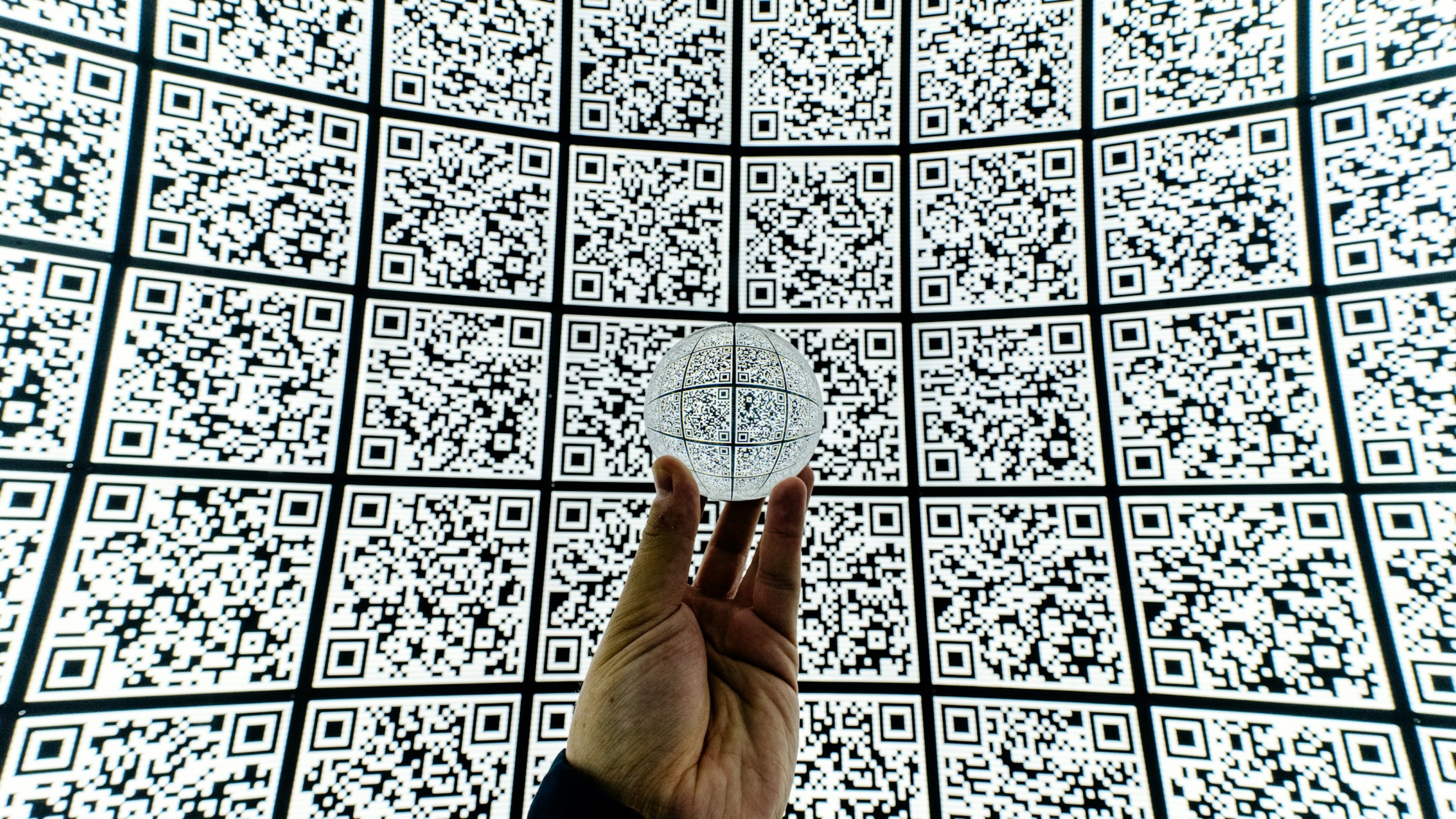
Scientists have etched the world's smallest QR code, smaller than most bacteria, into a ceramic film. This breakthrough promises data storage that could last centuries without power or maintenance.
My Take
This breakthrough is a game-changer for data storage. In an age where data is growing exponentially, finding a way to store it sustainably and durably is crucial. The use of ceramic materials, which can withstand extreme conditions, offers a promising solution. However, the practical applications of this technology are still in the early stages. Scaling up production and developing cost-effective methods for mass storage will be key challenges. Additionally, integrating this technology into existing data infrastructure will require significant investment and innovation. Despite these hurdles, the potential benefits are immense. Imagine a world where critical data, from medical records to historical documents, can be stored securely for centuries without the need for constant maintenance or energy consumption. This could not only preserve our digital heritage but also reduce the environmental impact of data centers. The success of this project could pave the way for a new era in data storage, one that is both sustainable and reliable. It's an exciting time for technology, and this development is a testament to human ingenuity and the relentless pursuit of progress.
What Happens Next
The next steps involve scaling up this technology for industrial applications. Researchers are working on increasing writing speeds and developing manufacturing processes suitable for mass production. This could lead to the creation of ultra-durable, low-energy data storage systems capable of preserving vast amounts of information over extended periods. The potential applications are vast, from archiving important historical documents to storing critical scientific data that needs to be preserved for future generations. The success of this project marks a significant step forward in the field of data storage, combining cutting-edge nanotechnology with materials science to create a solution that addresses many of the limitations of current storage methods. As the digital world continues to generate ever-increasing amounts of data, innovations like this are crucial for ensuring that information can be stored securely and sustainably for the long term.