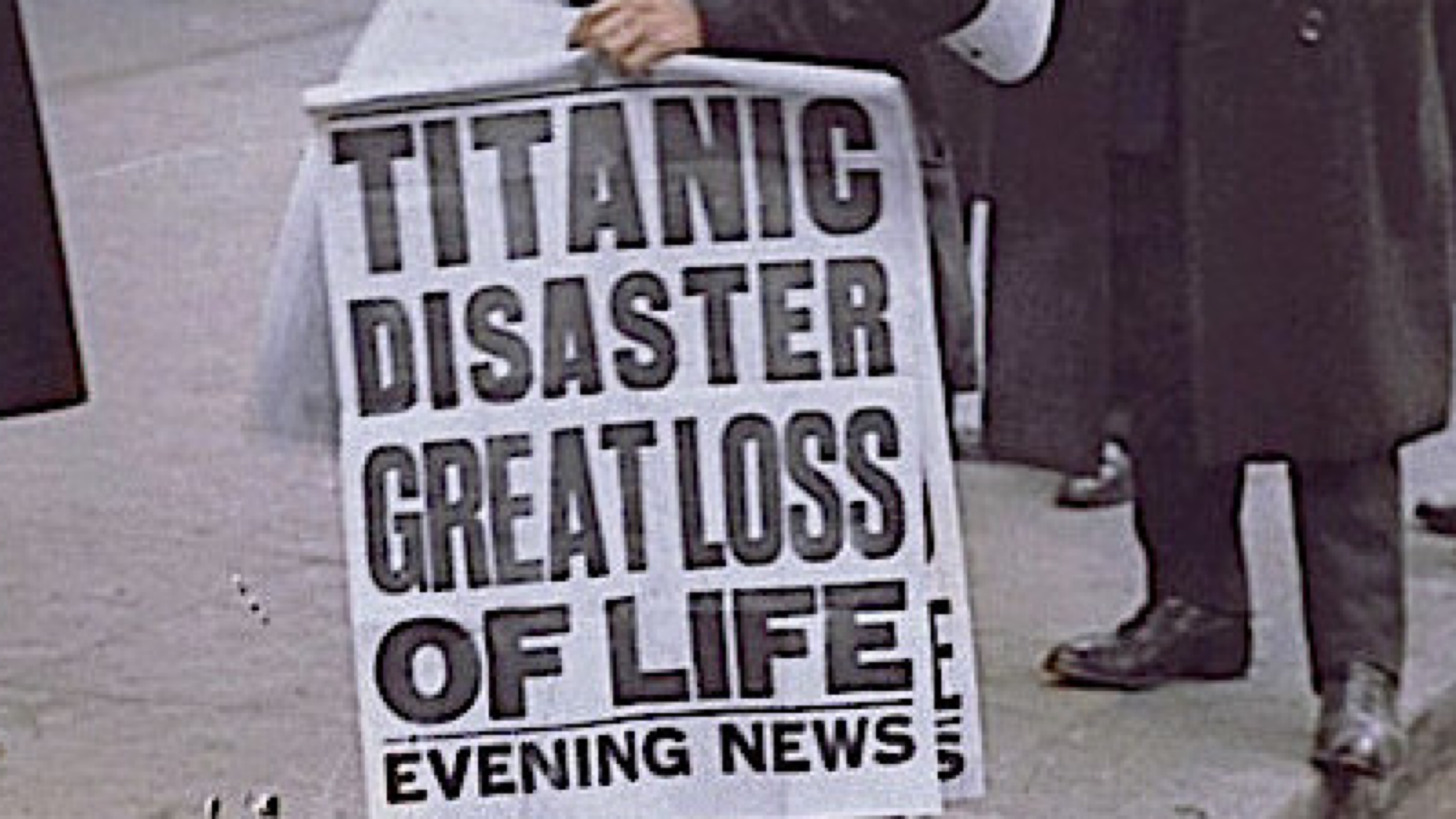
The RMS Titanic's catastrophic sinking in 1912, which resulted in over 1,500 fatalities, exposed severe deficiencies in maritime safety protocols of the time. The ship was equipped with only 20 lifeboats, insufficient for its over 2,200 passengers and crew. This oversight was due to outdated regulations that did not mandate lifeboat provisions for all aboard. The disaster underscored the need for comprehensive safety measures, prompting international reforms. In response, the International Convention for the Safety of Life at Sea (SOLAS) was established in 1914, setting forth stringent safety standards for ships. These regulations mandated that vessels carry lifeboats sufficient for all passengers and crew, a requirement that was not in place during the Titanic's voyage. Additionally, SOLAS introduced measures such as the International Ice Patrol to monitor iceberg threats in the North Atlantic, directly addressing the cause of the Titanic's sinking. Technological advancements have further bolstered maritime safety. Modern ships are equipped with sophisticated navigation systems, including radar and sonar, enabling early detection of hazards like icebergs. Communication technologies have also evolved, with ships now required to have radio operators on duty at all times, ensuring prompt distress signals and coordination with rescue operations. These advancements have made maritime travel significantly safer, reducing the likelihood of incidents similar to the Titanic disaster. Training and evacuation procedures have also seen substantial improvements. Crews undergo rigorous training in emergency response, and evacuation drills are conducted regularly to ensure readiness. The implementation of watertight bulkheads and double bottoms in ship design has enhanced structural integrity, providing additional time for evacuation in the event of a breach. These design innovations have been instrumental in preventing rapid sinking and increasing survival chances. Despite these advancements, the unpredictable nature of the sea means that maritime disasters can still occur. However, the legacy of the Titanic has instilled a culture of safety and vigilance in the maritime industry, leading to continuous improvements in ship design, safety protocols, and crew training. While no system can entirely eliminate risk, the lessons learned from the Titanic have undeniably made the oceans safer for all who traverse them.
 🔬 science
Titanic's Tragic Legacy: How Safety Standards Evolved
The RMS Titanic's 1912 disaster reshaped maritime safety, leading to stricter regulations and technological advancements that have significantly improved survival odds in modern maritime incidents.
My Take
The Titanic's sinking was a wake-up call that the maritime industry couldn't afford to snooze through. The reforms that followed weren't just bureaucratic red tape - they were life-saving measures that have since become the backbone of maritime safety. It's a testament to human resilience that we took such a monumental tragedy and turned it into a blueprint for saving lives. Yet, the sea remains a formidable adversary. While technology and regulations have drastically improved survival odds, they can't account for every variable. The true measure of progress isn't just in the systems we've built but in our unwavering commitment to learning from the past and adapting to the challenges ahead.
What Happens Next
In the aftermath of the Titanic disaster, the maritime industry underwent a profound transformation. The establishment of SOLAS in 1914 set the stage for a new era of safety standards. Over the decades, these regulations have been continually updated to address emerging challenges, such as the integration of digital navigation systems and the need for cybersecurity measures in maritime operations. The legacy of the Titanic continues to influence maritime policy, ensuring that safety remains a paramount concern in the design and operation of vessels worldwide.
What History Tells Us
The Titanic disaster of 1912 was a pivotal moment in maritime history, leading to the establishment of the International Convention for the Safety of Life at Sea (SOLAS) in 1914. This convention introduced comprehensive safety regulations, including the requirement for sufficient lifeboats for all passengers and crew, and the formation of the International Ice Patrol to monitor iceberg threats in the North Atlantic. These measures were direct responses to the shortcomings exposed by the Titanic tragedy.
Market Impact
The implementation of SOLAS and subsequent safety regulations have had a significant impact on the maritime industry, leading to increased operational costs due to the need for compliance with safety standards. However, these regulations have also enhanced the reputation of shipping companies, as safety-conscious practices are valued by consumers. The long-term effect has been a more stable and sustainable maritime industry, with fewer incidents leading to financial losses and a stronger emphasis on risk management.