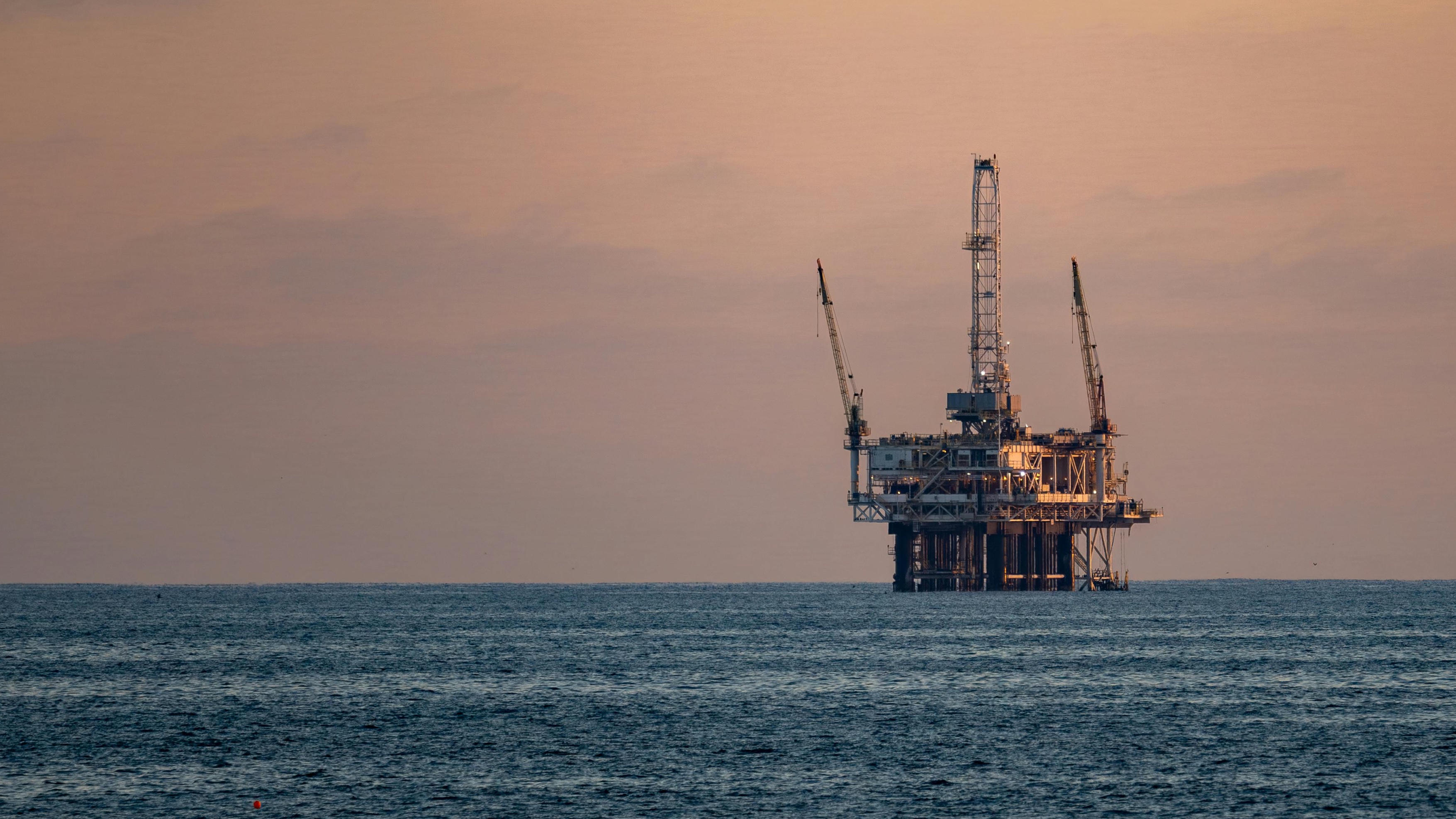
In a recent social media post, President Donald Trump criticized the United Kingdom for not expanding oil and gas extraction in the North Sea, urging the government to "DRILL, BABY, DRILL!!!" He highlighted that Europe is "desperate for energy," yet the UK refuses to tap into one of the world's greatest oil fields. Trump pointed out that Norway sells its North Sea oil to the UK at double the price, suggesting that the UK, better situated for energy purposes, should exploit its own resources. He also expressed disdain for wind energy, stating, "NO MORE WINDMILLS!" This statement underscores the ongoing tension between the U.S. and UK over energy policies. The UK government, led by Prime Minister Keir Starmer, has been moving towards renewable energy sources, including wind and nuclear power, and has halted new North Sea oil and gas licenses. This shift aims to reduce reliance on fossil fuels and address climate change concerns. Trump's remarks have sparked criticism from environmental groups. Tessa Khan, Executive Director of Uplift, a pressure group focusing on the transition to green energy, described Trump's comments as "unsurprisingly ill-informed." She emphasized that the UK should focus on renewable energy solutions, such as solar power, batteries, and heat pumps, rather than increasing fossil fuel extraction. The debate over North Sea oil extraction is not new. Industry leaders and energy experts have called for the UK government to support projects like the Rosebank oil field and the Jackdaw gas field, arguing that exploiting these resources could help mitigate rising energy costs. However, the UK government's stance remains focused on transitioning to cleaner energy sources. This situation highlights the broader global debate between continuing fossil fuel use and accelerating the shift to renewable energy. While some argue for exploiting existing resources to ensure energy security and economic stability, others advocate for investing in sustainable energy solutions to combat climate change and reduce environmental impact.
 🏛️ politics
Trump's 'Drill, Baby, Drill' Demand Ignites UK Energy Clash
President Trump's call for increased North Sea oil drilling clashes with UK's renewable energy shift, sparking political tensions.
My Take
President Trump's recent comments on the UK's energy policy reveal a fundamental misunderstanding of the nation's strategic direction. By urging the UK to "DRILL, BABY, DRILL!!!" and dismissing wind energy, Trump overlooks the UK's commitment to renewable energy and its efforts to combat climate change. His criticism not only undermines the UK's sovereignty in determining its energy future but also disregards the global consensus on reducing fossil fuel dependence. The UK's decision to halt new North Sea oil and gas licenses reflects a proactive approach to energy transition, aiming to invest in sustainable energy sources and reduce reliance on fossil fuels. Trump's call to "DRILL, BABY, DRILL!!!" seems out of touch with the UK's long-term goals and the global shift towards cleaner energy. His remarks also ignore the economic and environmental challenges associated with expanding fossil fuel extraction, especially in mature fields like the North Sea. In the face of rising energy prices and geopolitical tensions, the UK government's focus on renewable energy is a prudent strategy. It not only addresses immediate energy security concerns but also positions the UK as a leader in the global transition to sustainable energy. Trump's criticism, therefore, appears misplaced and fails to acknowledge the complexities of modern energy policy and the UK's commitment to a greener future.
What Happens Next
In response to President Trump's criticism, UK officials are likely to reinforce their commitment to renewable energy and climate change mitigation. Prime Minister Keir Starmer may address the nation, emphasizing the importance of the UK's energy transition and the long-term benefits of sustainable energy. The government might also engage in diplomatic discussions with the U.S. to clarify the UK's energy policies and seek mutual understanding. Environmental groups and renewable energy advocates are expected to intensify their campaigns, highlighting the advantages of green energy and the need for continued investment in sustainable infrastructure. They may organize public demonstrations, educational programs, and media campaigns to garner public support for the UK's energy strategy. The energy industry, particularly companies involved in renewable energy, could see increased investment and policy support as a result of this discourse. Conversely, fossil fuel companies may face challenges due to the UK's commitment to reducing fossil fuel dependence. The broader international community will be watching closely, as this situation reflects the ongoing global debate between fossil fuel use and renewable energy adoption.
What History Tells Us
The tension between fossil fuel exploitation and renewable energy adoption is not new. Similar debates have occurred globally, with countries grappling with balancing economic interests, energy security, and environmental responsibilities. For instance, during the 1970s oil crisis, nations faced challenges in securing energy supplies, leading to shifts in energy policies and increased interest in alternative energy sources. The current situation mirrors these historical challenges, highlighting the ongoing struggle to transition to sustainable energy while addressing immediate economic and security concerns.
Market Impact
The UK's energy policy shift towards renewables could influence the energy market by reducing demand for fossil fuels, potentially impacting global oil prices. Companies involved in renewable energy sectors, such as wind and solar power, may see increased investment and growth opportunities. Conversely, traditional oil and gas companies might experience market challenges due to decreased demand and policy changes favoring cleaner energy sources.