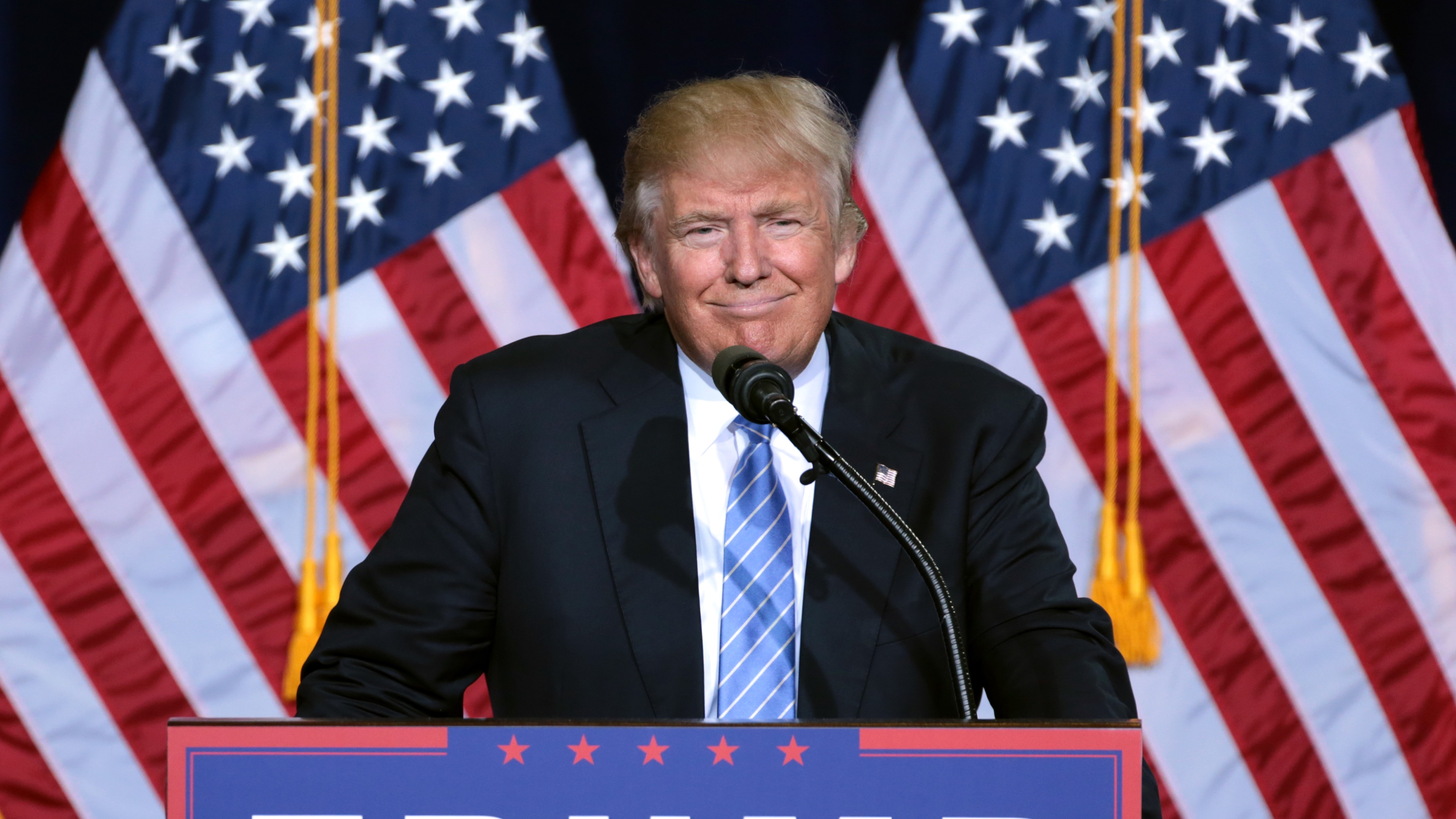
In a dramatic escalation of tensions between the U.S. government and the media, President Donald Trump has threatened to imprison journalists who refuse to disclose their sources regarding a sensitive military operation in Iran. The controversy erupted after reports emerged about a U.S. airman who was rescued from Iranian territory following the downing of an American F-15E Strike Eagle fighter jet. The leak of this information, according to Trump, jeopardized the safety of the airman and complicated the rescue mission. During a press conference at the White House, Trump expressed his frustration, stating, "We're looking very hard to find that leaker." He further emphasized the severity of the situation by declaring, "We're going to go to the media company that released it, and we're going to say, 'National security, give it up or go to jail.'" This statement underscores the administration's aggressive stance in seeking to identify and prosecute those responsible for leaking classified information. The leak in question revealed that a second U.S. airman remained missing in Iran after the initial rescue. This disclosure, Trump argued, alerted Iranian forces to the presence of American personnel on their soil, thereby endangering the lives of U.S. service members and complicating military operations. The president's remarks highlight the administration's belief that such leaks can have dire consequences for national security and military effectiveness. This development raises significant concerns about press freedom and the protection of journalistic sources. The threat of imprisonment for journalists who refuse to reveal their sources could have a chilling effect on investigative reporting, particularly in matters involving national security. Legal experts and First Amendment advocates have expressed alarm over the potential implications of such actions, emphasizing the importance of a free press in holding the government accountable. The administration's approach to handling leaks has been increasingly aggressive. In a recent case, the FBI conducted a raid on the home of a Washington Post reporter, Hannah Natanson, who had reported on government oversight of federal agencies. This incident, along with the current threats against journalists, suggests a pattern of escalating efforts by the administration to control information and suppress unfavorable reporting. The situation also raises questions about the balance between national security concerns and the public's right to know. While the government has a legitimate interest in protecting sensitive information, the suppression of journalistic inquiry can undermine democratic principles and erode public trust. The ongoing tension between the administration and the media underscores the need for a nuanced approach that safeguards both national security and the fundamental rights enshrined in the Constitution. In conclusion, President Trump's threats to imprison journalists over the Iran rescue leak represent a significant escalation in the administration's efforts to control information and suppress dissenting voices. This development has profound implications for press freedom, the protection of journalistic sources, and the broader discourse on the balance between national security and civil liberties. As the situation unfolds, it will be crucial to monitor the administration's actions and the responses from the media and legal communities to assess the long-term impact on democratic institutions and freedoms.
 🏛️ politics
Trump's Media Crackdown: Jail Time Over Iran Rescue Leak
President Trump threatens journalists with jail time over Iran rescue leak. Is press freedom under siege?
My Take
The Trump administration's recent threats to imprison journalists over the Iran rescue leak are a blatant attack on press freedom. By targeting the media, the administration seeks to control the narrative and suppress information that may be unfavorable to its agenda. This approach not only undermines the First Amendment but also sets a dangerous precedent for future administrations. The press plays a vital role in holding the government accountable, and any attempt to silence it is a direct assault on democracy. Furthermore, the administration's aggressive tactics, including FBI raids on journalists' homes, signal a troubling trend toward authoritarianism. Such actions intimidate the press and deter investigative reporting, which is essential for a functioning democracy. The public has a right to be informed about government actions, especially those involving military operations and national security. Suppressing this information erodes public trust and undermines the principles upon which the nation was founded. In light of these developments, it is imperative for the media, legal experts, and the public to stand firm in defense of press freedom. The right to a free press is enshrined in the Constitution and must be protected at all costs. Any erosion of this right diminishes the checks and balances that are fundamental to the American political system. The current administration's actions should serve as a wake-up call to all who value democracy and the freedoms it guarantees.
What Happens Next
In the wake of President Trump's threats against journalists over the Iran rescue leak, several key developments are anticipated. First, media organizations are likely to intensify their efforts to protect journalistic sources, potentially leading to legal challenges against the administration's actions. This could result in a protracted legal battle over the boundaries of press freedom and the government's authority to compel disclosure of sources. Second, the international community may respond to the administration's actions with concern, particularly regarding the implications for human rights and freedom of expression. International press freedom organizations are expected to issue statements condemning the threats and calling for the protection of journalists worldwide. Third, public opinion within the United States may shift, with increased polarization over the administration's stance on press freedom. Proponents of the administration may argue that such measures are necessary for national security, while opponents will likely view them as an overreach that undermines democratic principles. Overall, the situation is poised to escalate, with significant legal, political, and social ramifications. The outcome will depend on the responses from the media, legal institutions, and the public, as well as the administration's willingness to engage in dialogue and potentially reconsider its approach to handling leaks and press relations.