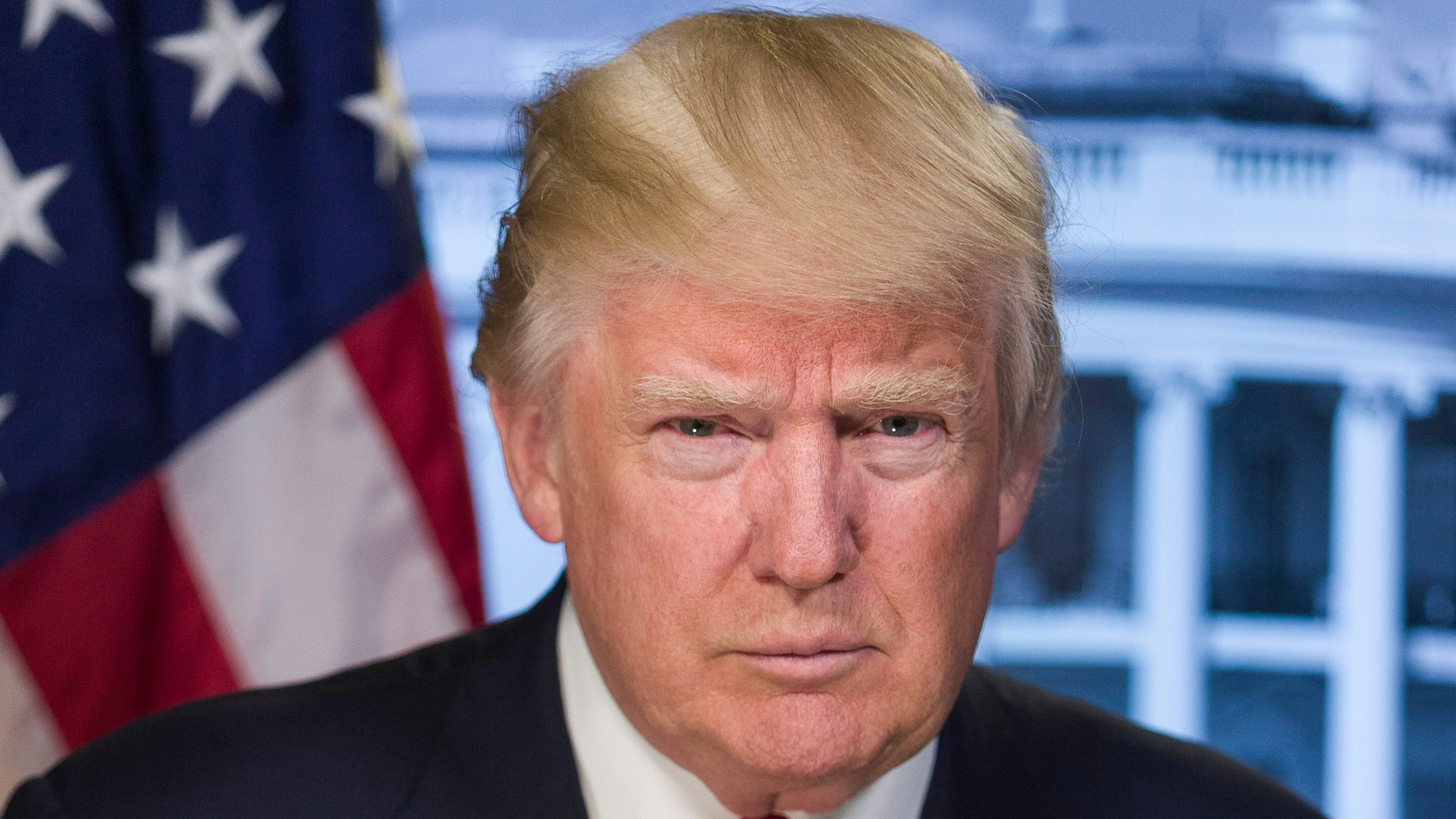
In a dramatic escalation of the ongoing conflict, President Donald Trump has issued a stark ultimatum to Iran: reopen the Strait of Hormuz by Tuesday night or face devastating military action. This threat comes after weeks of mounting tensions and failed diplomatic efforts. The Strait of Hormuz, a vital artery for global oil transport, has been effectively closed since late February, leading to unprecedented disruptions in global energy markets. The closure has removed approximately 11 million barrels per day of oil from the market, causing fuel shortages and soaring prices worldwide. The economic impact has been particularly severe in Asia and Europe, where countries are grappling with energy crises and economic slowdowns. In response to the closure, President Trump has repeatedly threatened military action against Iran's infrastructure, including power plants and bridges, if the Strait is not reopened. His latest warning, delivered via social media, is the most direct and forceful to date. The President's rhetoric has been criticized for its inflammatory language and the potential to escalate the conflict further. International reactions have been mixed. While some nations have called for restraint and dialogue, others have expressed support for the U.S. stance, citing the importance of maintaining open sea lanes for global trade. The United Nations has urged both parties to engage in negotiations to avoid further escalation. The situation remains fluid, with the deadline fast approaching and the world anxiously awaiting Iran's response. The potential for military conflict looms large, and the consequences of such an escalation would be profound, not only for the Middle East but for the entire global community.
 🌍 world
Trump's Ultimatum: Iran's Civilization on the Brink
President Trump's latest threat to Iran has escalated tensions to a boiling point. With the Strait of Hormuz closed, global oil markets are in turmoil, and the world watches as the deadline looms. Will diplomacy prevail, or is war imminent?
My Take
President Trump's latest ultimatum to Iran is a dangerous gamble that risks plunging the world into a catastrophic conflict. The closure of the Strait of Hormuz has already caused significant economic turmoil, and further escalation could have devastating consequences. While the U.S. has legitimate concerns about Iran's actions, resorting to military threats is not the solution. Diplomacy, though challenging, remains the only viable path to de-escalation. The international community must come together to pressure both parties to return to the negotiating table and find a peaceful resolution. The stakes are too high for anything less.
What Happens Next
As the deadline approaches, diplomatic backchannels are likely to intensify. Iran may seek to negotiate terms for reopening the Strait, possibly agreeing to limited access or implementing tolls to control passage. The U.S. may consider delaying military action if diplomatic progress is made. However, if negotiations fail, the risk of military strikes increases, which could lead to retaliatory actions from Iran, further destabilizing the region. The global community will be watching closely, hoping for a peaceful resolution but preparing for the worst.
What History Tells Us
The current crisis echoes the 1980s 'Tanker War' during the Iran-Iraq War, when both nations targeted oil tankers in the Persian Gulf, leading to significant disruptions in global oil supplies. The international community intervened to ensure the safety of shipping lanes, highlighting the strategic importance of the Strait of Hormuz and the potential for conflict over its control.
Market Impact
The closure of the Strait of Hormuz has already led to significant volatility in global oil markets. Brent crude oil prices have surged by over 20% since the onset of the conflict, reaching levels not seen since the 2008 financial crisis. If the situation escalates further, prices could spike even higher, leading to increased fuel costs worldwide and potential economic slowdowns. Energy-dependent industries, particularly in Asia and Europe, are already feeling the pinch, and prolonged disruptions could lead to supply chain issues and inflationary pressures.