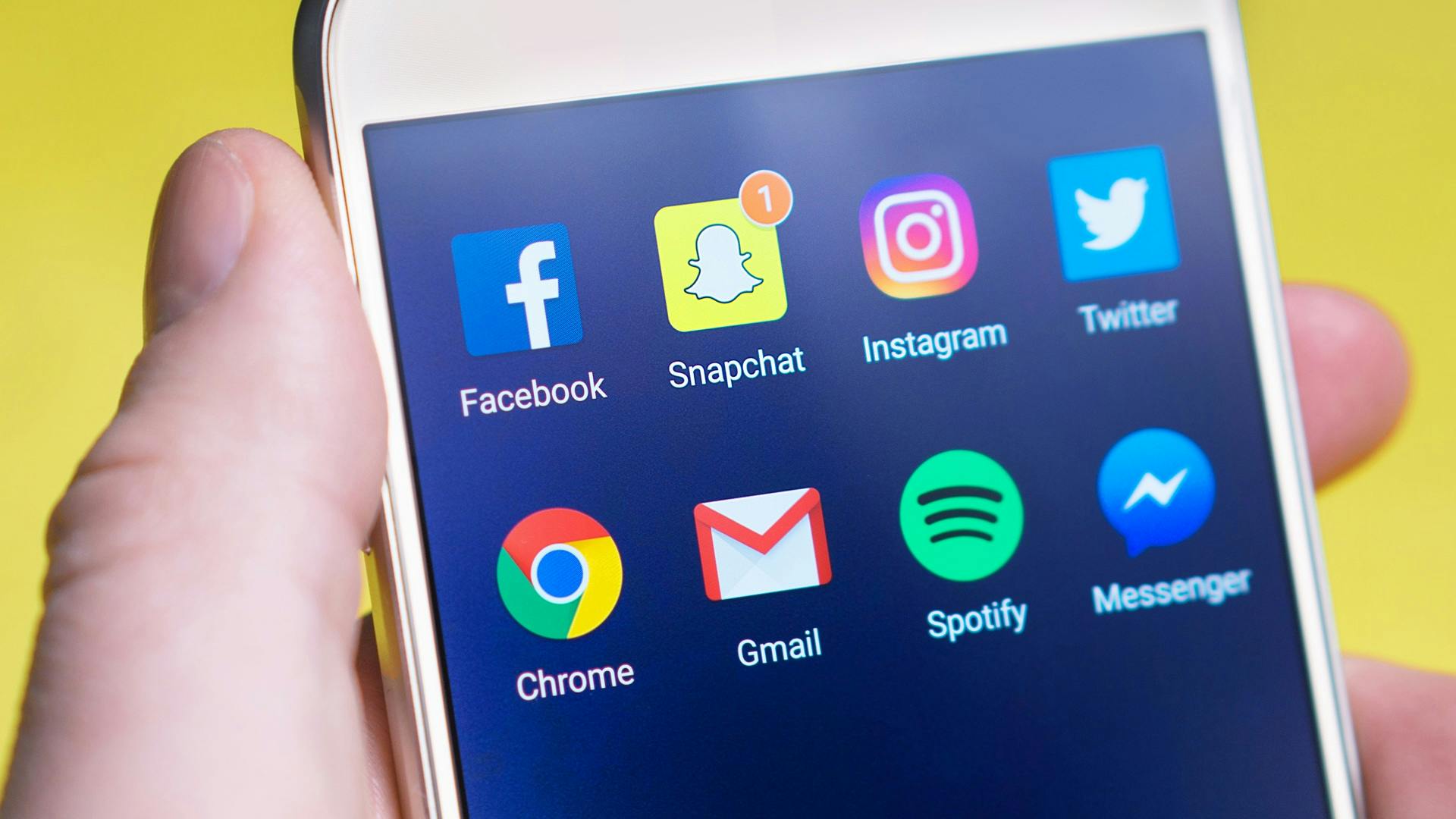
Turkey's Presidential Communications Directorate announced on July 27, 2026 that it coordinated the blocking of 6,644 social media accounts between January and July 2026. The operation involved the General Directorate of Security's Cybercrime Department, prosecutors, and BTK (Information and Communication Technologies Authority). According to the official statement, 3,679 accounts had ties to FETO (the Fethullahist Terrorist Organization), while another 2,965 were flagged for glorifying terrorism, spreading disinformation, or conducting psychological operations against Turkey. X (formerly Twitter) bore the brunt of the bans, followed by Instagram, TikTok, Facebook, YouTube, and even Spotify. The government's logic is straightforward: terror groups and disinformation networks exploit high-engagement platforms to manipulate public opinion, especially during crises. Officials say they're tracking trending topics, hashtag campaigns, coordinated bot networks, and artificial agenda-setting in real time. When a suspect campaign emerges, technical analysis pinpoints the source and spread pattern, then prosecutors issue access-blocking orders. The scale is striking. Nearly 1,000 accounts blocked per month suggests either a vast underground network or an aggressive interpretation of what constitutes illegal content. Turkey's 2020 social media law already compels platforms with over one million daily users to appoint local representatives, store data in Turkey, and respond to content removal requests within 48 hours. Failure means bandwidth throttling, then advertising bans. The law passed after President Recep Tayyip Erdogan accused social media giants of 'digital fascism' for not removing content he deemed insulting or false. Security sources quoted in the Anadolu Agency report frame digital platforms as 'not just communication spaces but battlegrounds for national security.' The coordinated model, they claim, doesn't just take down individual accounts but dismantles organized digital networks. That sounds efficient, but it also raises red flags. Who decides what qualifies as disinformation versus legitimate dissent? In Turkey's polarized political climate, the line is razor-thin. Opposition figures and independent journalists have repeatedly found themselves branded as terror sympathizers or foreign agents for criticizing government policy. The timing matters. Turkey holds local elections in 2027 and a general election in 2028. Erdogan's AK Party suffered surprising losses in major cities during the 2024 municipal vote, and the opposition CHP (Republican People's Party) has been gaining ground. Controlling the digital conversation before those contests is strategic gold. Meanwhile, FETO remains Ankara's go-to bogeyman. Fethullah Gulen, the Pennsylvania-based cleric Turkey accuses of orchestrating the 2016 coup attempt, died in October 2024 at age 83, but the movement he inspired still haunts Turkish politics. Tens of thousands of alleged FETO members have been jailed or purged from state jobs since 2016, and the government continues to hunt sympathizers abroad and online. Global context adds another layer. Governments worldwide are grappling with online extremism, election interference, and AI-generated deepfakes. The EU's Digital Services Act forces platforms to police harmful content or face fines up to 6% of global revenue. India regularly issues takedown orders. Even the U.S. debates Section 230 reforms. Turkey's approach is more blunt: block first, ask questions later. The lack of transparency, independent oversight, or clear appeals process sets it apart from democratic norms. Platform companies comply because the alternative is losing access to Turkey's 85 million people, a market too big to ignore.
 💻 technology
Turkey Blocks 6,644 Accounts in Digital Crackdown
Turkey's government just pulled the plug on nearly 7,000 social media accounts in seven months, calling it a fight against terror and disinformation. The vast majority were linked to FETO (Fethullahist Terrorist Organization), the exiled movement Ankara blames for the 2016 coup attempt. But critics warn this is less about security and more about controlling the narrative in an election year.
My Take
This is digital authoritarianism dressed up as counterterrorism. Sure, FETO accounts spreading propaganda deserve scrutiny, but 6,644 takedowns in seven months? That's industrial-scale censorship. The vague language about 'psychological operations' and 'disinformation' is a blank check to silence anyone inconvenient. When Spotify makes the blocklist, you know it's not just about bomb plots. Expect more crackdowns as Turkey heads toward elections, because nothing threatens incumbents like viral criticism. The real danger isn't that Turkey is unique, it's that this playbook is spreading. Autocrats everywhere are learning that you don't need to shut down the entire internet, just throttle it selectively, label critics as terrorists, and let the chilling effect do the rest. Platforms comply because they're profit-driven, not principle-driven. Until tech giants refuse to cooperate with opaque government demands, every democracy is one bad election away from becoming Turkey. Meanwhile, actual extremists adapt. They migrate to encrypted channels, decentralized platforms, and the dark web. State-led censorship rarely catches the sophisticated operators, it just sweeps up journalists, activists, and random citizens who retweeted the wrong hashtag. Turkey's government claims victory, but they're fighting yesterday's war while tomorrow's threats evolve unchecked.
What Happens Next
Expect the pace of account takedowns to accelerate as Turkey approaches local elections in 2027 and general elections in 2028. Opposition parties, particularly the CHP led by Ekrem Imamoglu and Mansur Yavas, will face intensified scrutiny of their social media operations. Independent fact-checkers and journalists critical of Erdogan's government should prepare for harassment or worse, especially those operating on X, which remains the primary battlefield for Turkish political discourse. Platform companies will continue their awkward dance: comply enough to keep market access, resist enough to avoid total PR disaster in the West. Meta, Google, and X have already appointed Turkish representatives and agreed to remove content deemed illegal under local law. Don't expect principled stands, expect quiet negotiations and strategic compliance. The real test comes if Turkey demands encryption backdoors or real-name registration, measures floated in parliament before. Internationally, watch how the EU responds. Turkey is still technically a candidate for EU membership, though accession talks have been frozen since 2018. Brussels has leverage through trade agreements and migration deals, but Erdogan has proven willing to weaponize refugee flows when pressured. The bigger question is whether Turkey's model, refined over the past six years, becomes the template for aspiring autocrats in Hungary, India, and beyond. Digital rights groups are already sounding alarms, but without enforceable global standards, the censorship playbook just keeps spreading.
What History Tells Us
Turkey's digital crackdown escalated sharply after the 2016 coup attempt, when social media became the battleground for competing narratives. The government blocked access to platforms like Twitter and YouTube during the coup night, then spent the following years institutionalizing that control. The 2020 social media law codified what had been ad hoc censorship into a legal framework, forcing platforms to bend or face throttled speeds that made them unusable. Historically, this echoes tactics used by authoritarian regimes from China's Great Firewall to Russia's Roskomnadzor. But Turkey occupies a unique space: a NATO member, EU candidate, and democracy (on paper) that's adopted tools more commonly associated with one-party states. The FETO purges recall McCarthyism's paranoid sweep, except they've lasted a decade and counting. Tens of thousands jailed, hundreds of thousands fired, all justified by the specter of an invisible enemy. The digital dimension is newer, but the impulse, silencing dissent under the guise of national security, is as old as politics itself.
Market Impact
Turkey's social media crackdown has limited direct market impact globally, but it creates headaches for tech giants. Meta, Alphabet (Google/YouTube), and ByteDance (TikTok) all face compliance costs and reputational risks operating in Turkey. The companies have added Turkish language content moderation teams and legal staff, expenses that cut into margins but pale compared to losing an 85 million user market. For Turkish tech startups, the environment is stifling. Venture capital has cooled on Turkish investments amid political uncertainty and currency volatility (the lira has lost over 80% of its value against the dollar since 2018). Brain drain accelerates as engineers and entrepreneurs relocate to Berlin, London, or Dubai. E-commerce platforms like Trendyol and Hepsiburada navigate the censorship landscape carefully, avoiding political content to stay out of regulators' crosshairs. The broader lesson for investors: political risk in emerging markets isn't just about coups and hyperinflation anymore. Digital authoritarianism, whether in Turkey, India, or Brazil, creates operational uncertainty that spooks capital. Until there's clarity on content moderation standards and government overreach, tech sector valuations in these markets will trade at a discount to their potential.