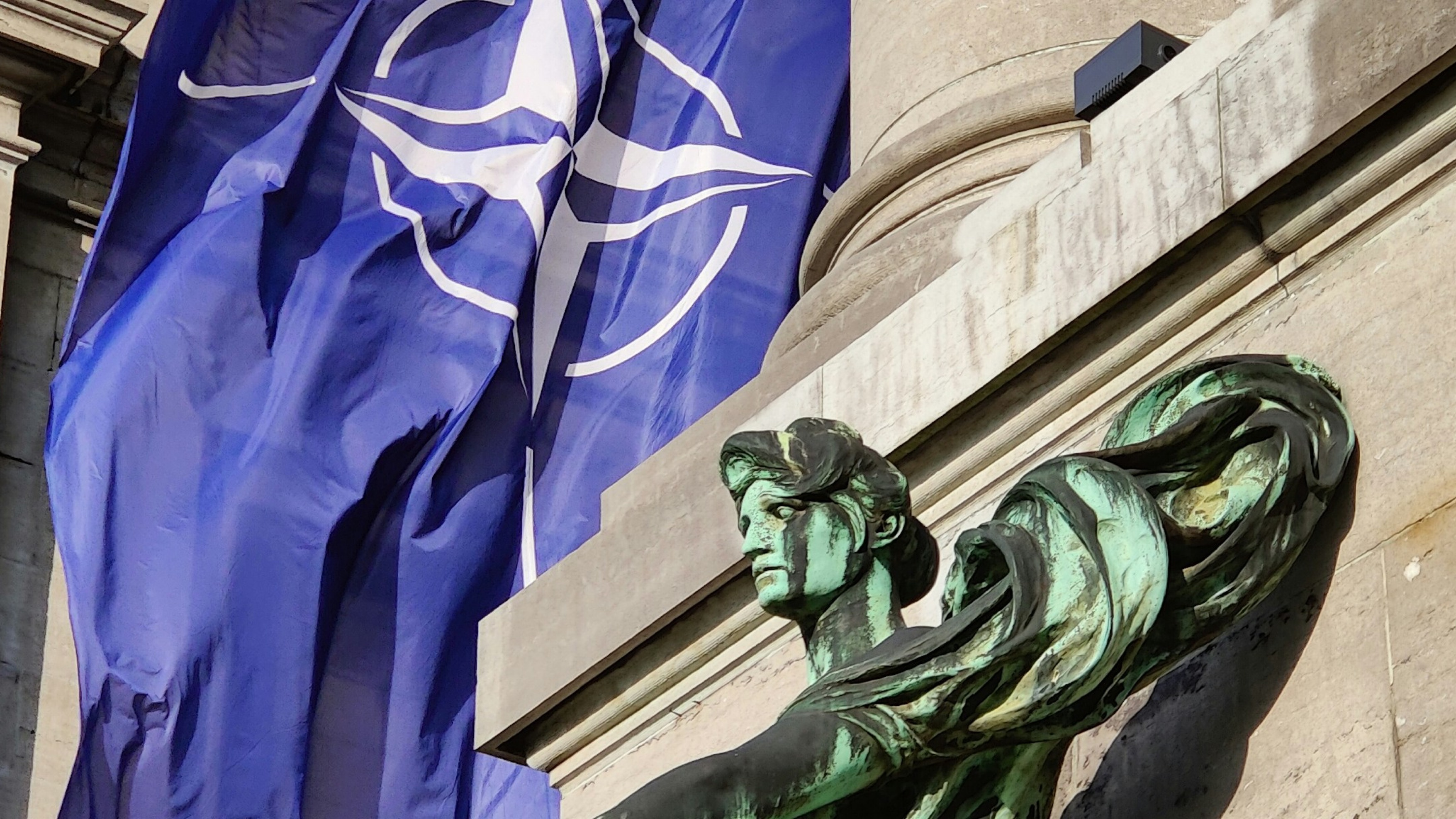
RTÜK (Radyo ve Televizyon Üst Kurulu), Turkey's Radio and Television Supreme Council, issued a statement Friday warning broadcasters to prioritize "public interest and national security perspective" when covering the 36th NATO (North Atlantic Treaty Organization) Heads of State and Government Summit scheduled for July 7-8, 2026. The regulatory body, which has the power to fine or suspend broadcast licenses, offered no specific guidelines about what constitutes acceptable coverage, leaving media organizations to self-censor or risk penalties. The timing matters. Turkey has spent years in a tense dance with NATO allies over everything from defense procurement (the Russian S-400 missile system purchase that got Ankara booted from the F-35 program) to its opposition to Sweden's NATO membership bid. President Recep Tayyip Erdoğan has leveraged Turkey's strategic position, controlling the Bosphorus and sitting on NATO's southeastern flank, to extract concessions from Washington and Brussels. A summit on Turkish soil gives Erdoğan home-field advantage to shape narratives. Burhanettin Duran, Turkey's Presidential Communications Director, framed the summit in more diplomatic terms Friday, saying the gathering will take "a 360-degree perspective" on increasing defense investments and the alliance's deterrence efforts. That vague language matches RTÜK's equally vague warning, a pattern Turkish media has learned to recognize as code for "watch what you say or face consequences." Turkey ranks 165th out of 180 countries in Reporters Without Borders' 2025 World Press Freedom Index. RTÜK has fined opposition-aligned channels hundreds of times since 2018 for coverage deemed critical of the government. The warnings before major international events have become routine, a preemptive strike against unflattering coverage. Journalists understand the subtext: don't embarrass the president in front of world leaders, don't amplify opposition criticism, don't dwell on Turkey's domestic crackdowns or foreign policy conflicts with other NATO members. The summit agenda likely includes Ukraine support (Turkey has sold Bayraktar drones to Kyiv while maintaining economic ties with Moscow), defense spending commitments (Turkey spends 1.3% of GDP on defense, below NATO's 2% guideline despite having the alliance's second-largest military), and regional security threats from the Middle East to the Black Sea. Any of those topics could generate coverage RTÜK deems insufficiently "national security" focused, especially if broadcasters platform opposition politicians or Western critics of Turkish policy. What makes this regulatory squeeze noteworthy is its pre-crime nature. RTÜK isn't responding to specific coverage, it's warning journalists about hypothetical future violations. That forces newsrooms to guess where the red lines are, which is precisely the point. Self-censorship is cheaper and more effective than after-the-fact fines. By Monday morning, when NATO leaders arrive, Turkish broadcasters will deliver the sanitized, patriotic coverage the government expects, not because they agree with it, but because they can't afford not to.
 🌍 world
Turkey Warns Media On NATO Coverage - Silence Critics
Two days before NATO's Istanbul summit, Turkey's media watchdog is telling TV and radio stations to think carefully about national security when they cover the event. The warning comes with zero details about what crosses the line, leaving journalists to guess what might get them in trouble.
My Take
This is authoritarianism dressed up in bureaucratic language. RTÜK's statement doesn't say "don't lie" or "verify your facts," it says "think about national security," which in Erdoğan's Turkey means "make the government look good." When a media regulator issues vague warnings before a major event, it's not trying to improve journalism quality, it's trying to control the narrative. The genius of this approach is deniability: if a broadcaster gets fined next week, RTÜK will claim they were warned, they chose to ignore the warning, and now they're paying the price for irresponsible journalism. What's depressing is how normalized this has become. Turkish journalists don't even seem surprised anymore when RTÜK issues these pre-summit warnings. It's just part of the job, like checking your equipment before a live shot. The international press will cover the NATO summit with full editorial freedom, interviewing dissidents and opposition figures, while Turkish broadcasters stick to government talking points and carefully framed patriotic montages. Two parallel realities, one summit. The real story here isn't what RTÜK said, it's what NATO members aren't saying in response. Turkey hosts this summit, controls critical geography for the alliance, and operates the fourth-largest military in NATO, so Western leaders will smile for the cameras and save their press freedom concerns for private conversations that accomplish nothing. Erdoğan knows it, RTÜK knows it, and Turkish journalists stuck between doing their jobs and keeping their licenses know it best of all.
What Happens Next
By Sunday evening, July 6, Turkish newsrooms will have mapped out their coverage strategies, most playing it safe with focus on pomp, ceremony, and bilateral meetings rather than substantive policy debates. The real test comes when NATO Secretary General Jens Stoltenberg (whose term was extended to October 2024, then again to October 2025, and likely extended again) holds his press conference. If he fields questions about Ukraine that reveal divisions with Turkey's position on Russia, or if journalists ask about human rights in Turkey itself, broadcasters face an impossible choice: air the footage and risk RTÜK penalties, or bury it and prove the regulator's chilling effect worked. The opposition-aligned channels, particularly Halk TV and Tele1, will likely test the boundaries. They've absorbed hundreds of fines already, so what's a few more? They'll platform opposition politicians criticizing Turkey's NATO policy or defense spending priorities, then wait to see if RTÜK moves before or after the summit ends. My bet is RTÜK waits until Wednesday, July 9, after foreign delegations have left, then issues a batch of fines with reference to Friday's warning. The timing lets the government claim it showed restraint during the actual summit. Longer term, this playbook becomes the template for every international event Turkey hosts. RTÜK will issue the same vague "national security" warning before the G20 (if Turkey ever hosts again), before state visits, before any moment when foreign eyes are watching. Turkish journalism becomes a performance of journalism, hitting all the aesthetic notes (correspondents, live shots, panel discussions) while carefully avoiding any content that might displease the government. The erosion isn't dramatic, it's incremental, which is exactly why it works.
What History Tells Us
Turkey's media restrictions echo Russia's playbook during the 2014 Sochi Olympics, when the Kremlin pressured domestic broadcasters to avoid coverage of Pussy Riot, LGBT rights protests, or the costs of Olympic construction. State regulators issued no explicit bans, just strongly worded suggestions about patriotic coverage and national pride. The result was Soviet-style news: all pageantry, no problems. By the time Russia hosted the 2018 World Cup, the pattern was perfected. The parallel runs deeper. Both Turkey and Russia use NATO (or in Russia's case, NATO opposition) as a rallying point for domestic nationalism while maintaining membership in or confrontation with Western institutions. Erdoğan's Turkey remains in NATO while buying Russian weapons, just as Putin's Russia participates in UN Security Council while annexing Crimea. The media control serves the same purpose: ensure domestic audiences see only the government's framing of complex geopolitical relationships, never the contradictions or costs. Turkey's descent down the press freedom rankings (from 148th in 2013 to 165th in 2025) tracks with Erdoğan's consolidation of power after the 2016 coup attempt, much like Russia's media crackdown accelerated after the 2011-2012 protests. When authoritarian leaders face domestic or international pressure, controlling the narrative becomes existential.