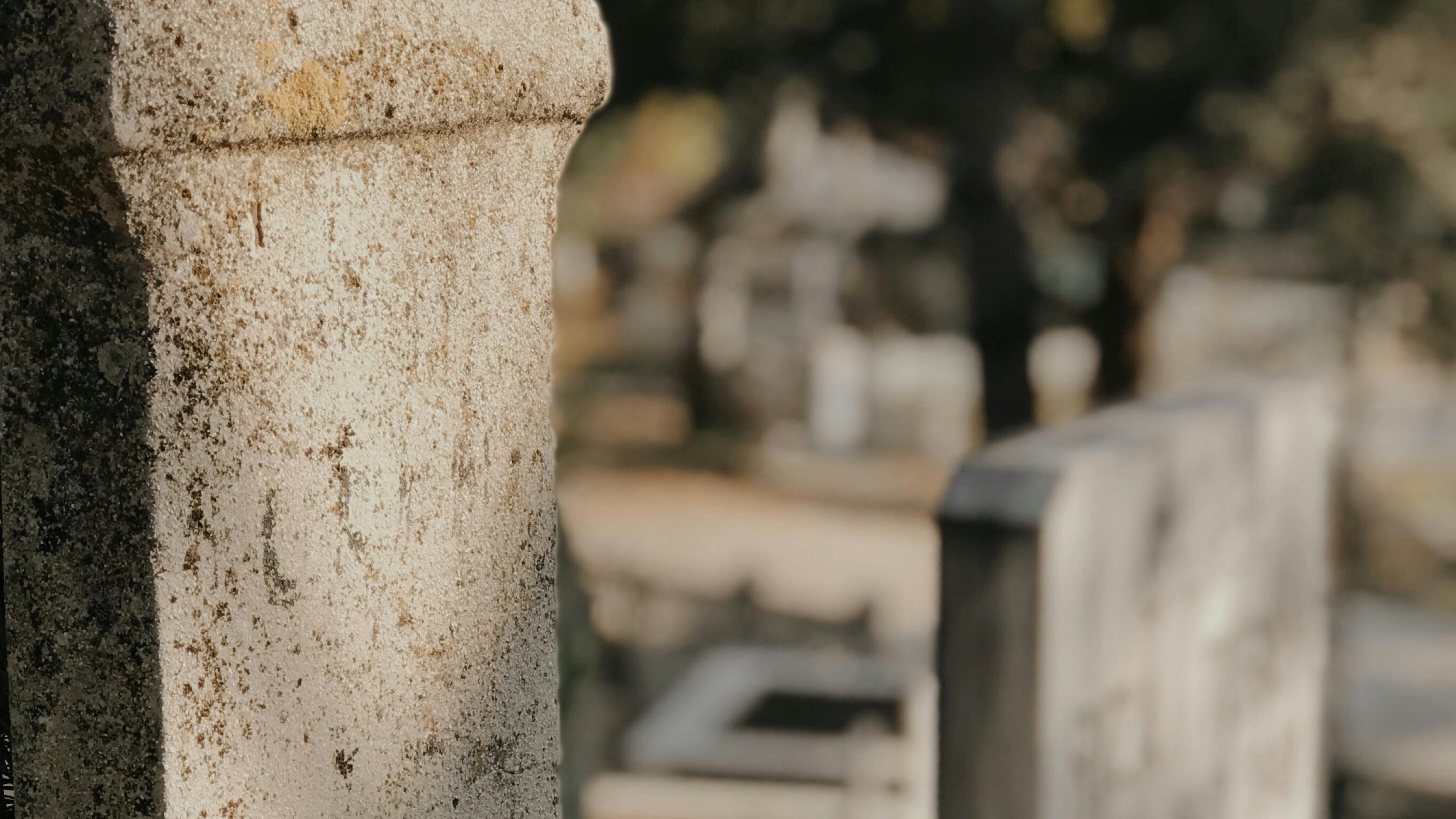
In Prince George's County, Maryland, a neglected cemetery adjacent to the former House of Reformation and Instruction for Colored Children has unveiled a haunting chapter of the state's history. This now-defunct, segregated juvenile detention center was the final resting place for over 200 Black boys who died in state custody between the late 19th and early 20th centuries. The graves, many marked only by cinder blocks, were rediscovered in recent years, prompting investigations into the circumstances of their deaths. Archival documents and death certificates suggest that these children suffered abuse and neglect, raising profound questions about the state's responsibility and the systemic failures that led to their untimely deaths. In response to these revelations, Maryland lawmakers have introduced legislation to establish a commission tasked with investigating the deaths, facilitating memorialization efforts, and ensuring that this dark history is acknowledged and addressed. This initiative aims to provide answers to lingering questions about how so many children died under state care and to honor their memory appropriately. The discovery of these unmarked graves serves as a stark reminder of the historical injustices faced by Black children in the United States, highlighting the need for continued vigilance and reform in juvenile justice systems to prevent such tragedies from recurring. The proposed commission's work is crucial in uncovering the full extent of the abuses that occurred and in fostering a more equitable and just system for all children.
 ❤️ health
Unmarked Graves Expose Dark Past of Maryland's Juvenile Detention Center
A neglected cemetery adjacent to a former Maryland juvenile detention center reveals the tragic deaths of over 200 Black boys in state custody. Recent legislative efforts aim to uncover the truth and seek justice for these forgotten children.
My Take
The unearthing of these unmarked graves is a chilling testament to the systemic neglect and abuse that Black children endured in the early 20th century. It's a stark reminder that history's shadows often linger, influencing present-day policies and attitudes. While the proposed commission is a step toward justice, it must not be a mere formality. The state owes it to these children—and to society—to fully uncover the truth, hold accountable those responsible, and implement reforms that ensure such horrors are never repeated. This isn't just about memorializing the past; it's about rectifying historical wrongs and building a future where every child is treated with dignity and respect.
What Happens Next
The Maryland legislature is expected to vote on the proposed commission in the coming weeks. If approved, the commission will begin its work by conducting a comprehensive survey of the cemetery grounds using ground-penetrating radar to map all unmarked graves. This initial phase is crucial for understanding the full scope of the tragedy and will lay the groundwork for further investigations into the circumstances of the children's deaths. The commission's findings are anticipated to be released within a year, with recommendations for memorialization and policy reforms to follow. The outcome of this initiative could set a precedent for addressing historical injustices in other states, potentially leading to similar investigations and reforms nationwide. However, the success of this endeavor hinges on the state's commitment to transparency and accountability, ensuring that the painful history of these children is neither forgotten nor repeated.