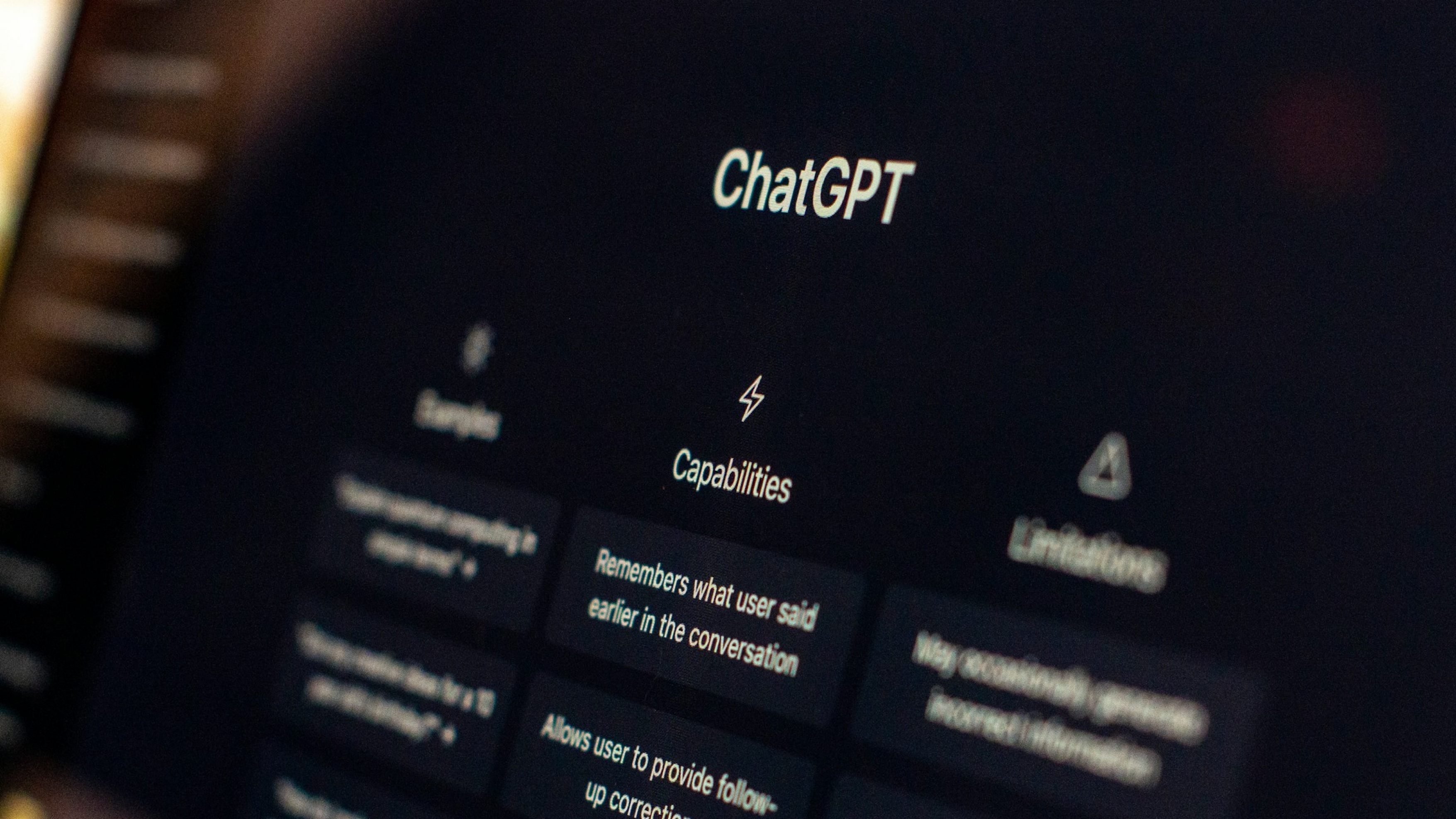
Large language models are advanced artificial intelligence systems designed to understand and generate human-like text. They are trained on vast amounts of text data, enabling them to perform a wide range of language-related tasks, from answering questions to composing essays. The core strength of these models lies in their ability to predict the next word in a sequence, a process known as next-token prediction. This simple yet powerful mechanism allows them to generate coherent and contextually relevant text based on the input they receive. The architecture of large language models is primarily based on transformer networks, which have revolutionized the field of natural language processing. Transformers utilize a mechanism called attention, allowing the model to weigh the importance of different words in a sentence, regardless of their position. This enables the model to capture complex relationships and dependencies in the text, leading to a more nuanced understanding and generation of language. The success of transformer-based models has been demonstrated in various applications, including machine translation, text summarization, and question answering. Training these models involves feeding them massive datasets containing billions of words. During training, the model learns to predict the probability of a word or phrase occurring in a given context. This process requires substantial computational resources and time, as the model adjusts its internal parameters to minimize the difference between its predictions and the actual outcomes. The scale of training data and computational power directly influence the model's performance, with larger models generally exhibiting better capabilities in understanding and generating text. The power of large language models stems from their versatility and adaptability. They can be fine-tuned for specific tasks such as sentiment analysis, code generation, or medical diagnosis by training them on domain-specific datasets. This fine-tuning process allows the model to leverage its general language understanding while specializing in particular areas. Additionally, the continuous improvement in hardware, such as the development of specialized processors for artificial intelligence tasks, has further enhanced the efficiency and scalability of these models. Despite their impressive capabilities, large language models are not without limitations. They can sometimes produce text that is plausible-sounding but factually incorrect, a phenomenon known as hallucination. This occurs because the model generates text based on patterns learned during training, without a true understanding of the content. Moreover, the models can inadvertently perpetuate biases present in their training data, leading to outputs that may reinforce stereotypes or misinformation. Addressing these challenges requires ongoing research and the development of techniques to improve the reliability and fairness of large language models. In summary, large language models represent a significant advancement in artificial intelligence, offering powerful tools for understanding and generating human language. Their ability to learn from vast amounts of data and adapt to various tasks makes them invaluable in numerous applications. However, it is essential to remain aware of their limitations and continue efforts to mitigate potential issues, ensuring that these models serve as beneficial and ethical tools in society. Large language models excel in generating human-like text, making them perfect for tasks like code generation where understanding and creating logical sequences are crucial. However, they are not suited for predicting outcomes in dynamic and context-dependent scenarios like poker, where real-world unpredictability and human intuition play pivotal roles.
- Great for: Predictable text generation, content creation, language translation.
- Not good at: Dynamic decision-making, luck-based games like poker.
- Industries most affected include:
- Software Development
- Healthcare
- Customer Service
- Content Creation
- Finance