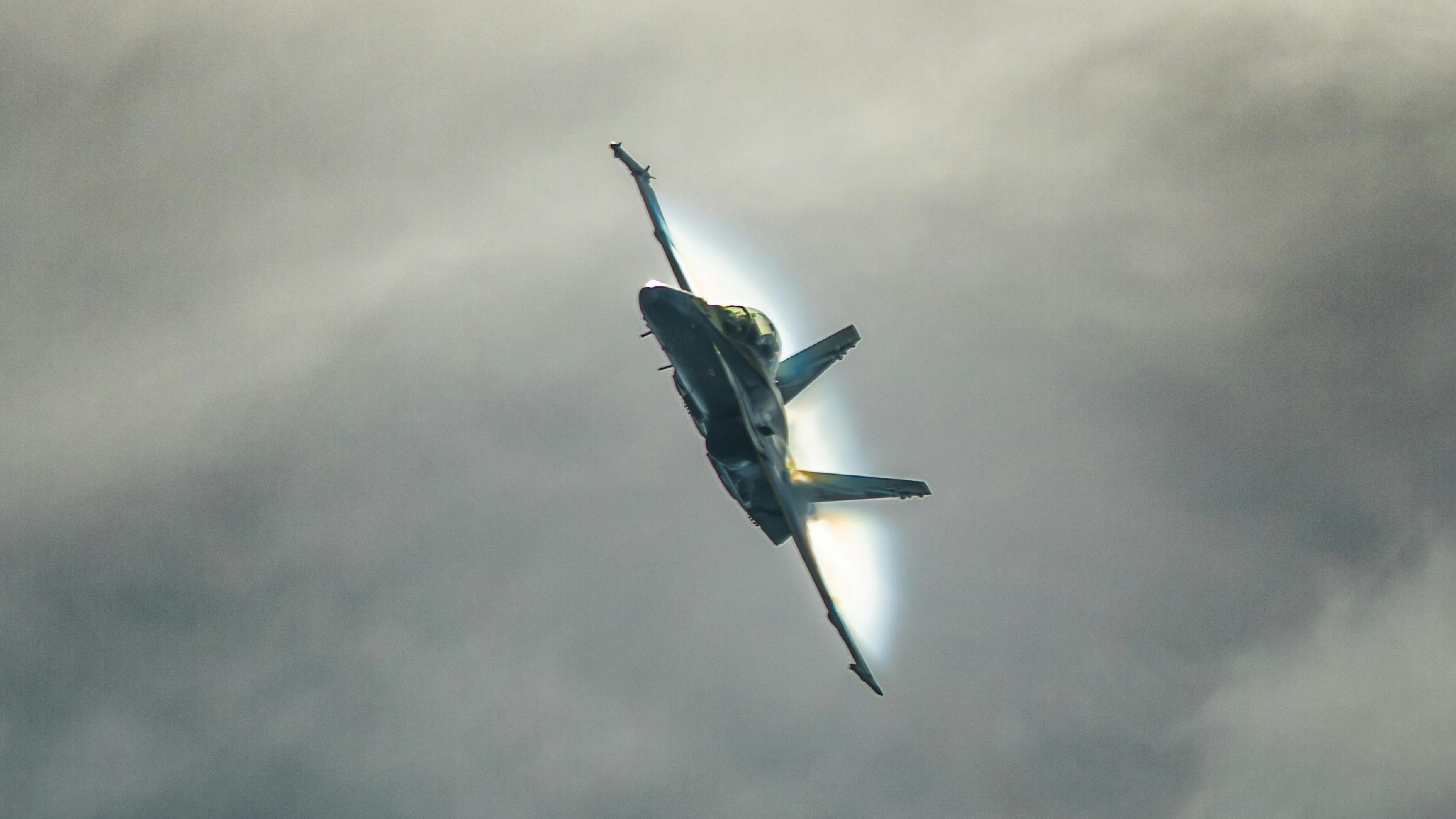
In a dramatic escalation of the ongoing conflict, a U.S. fighter jet was shot down over Iran, leading to a large-scale search and rescue operation for the crew. Iranian state media released images purportedly showing debris from the downed aircraft, including an ejection seat, and called on civilians to assist in locating the pilot, offering rewards for their cooperation. The U.S. military has not yet confirmed the incident, and details remain scarce. This event is the first confirmed loss of a U.S. aircraft by enemy fire since the conflict began. The downing of the fighter jet has intensified tensions in the region, with both nations on high alert. The U.S. military is reportedly conducting a search and rescue operation, but Iranian authorities have urged civilians to capture any surviving crew members and turn them over to authorities. The incident comes amid heightened hostilities between the U.S. and Iran, with both nations engaging in military actions and retaliatory strikes. The downing of the fighter jet is likely to further strain diplomatic relations and could lead to increased military engagements in the region. The U.S. military's response to the incident remains to be seen. The Pentagon and U.S. Central Command have not yet commented on the reports. The situation is developing, and further updates are expected as more information becomes available.
 🌍 world
US Fighter Jet Downed Over Iran: Tensions Escalate
A U.S. fighter jet was shot down over Iran, prompting a massive search for the crew. This incident marks a significant escalation in the ongoing conflict.
My Take
The downing of a U.S. fighter jet over Iran is a significant escalation in the ongoing conflict. While the U.S. military has not yet confirmed the incident, the release of images by Iranian state media suggests that the situation is dire. The call for civilians to assist in locating the pilot indicates the severity of the situation and the lengths to which Iran is willing to go to capture U.S. personnel. This incident underscores the volatility of the region and the potential for rapid escalation. The U.S. military's response will be crucial in determining the next steps. A measured and strategic approach is necessary to prevent further deterioration of relations and to avoid a broader conflict. The international community must closely monitor the situation and encourage both nations to engage in dialogue to de-escalate tensions. The potential for miscalculation is high, and proactive diplomatic efforts are essential to prevent further loss of life and to maintain regional stability.
What Happens Next
In the coming days, the U.S. military is expected to intensify its search and rescue operations to locate and recover the downed pilot. Diplomatic channels between the U.S. and Iran may open to negotiate the pilot's release, though such discussions are likely to be fraught with tension. The incident could prompt the U.S. to reassess its military strategy in the region, potentially leading to increased airstrikes or other military actions. Conversely, Iran may use the situation to bolster its position in negotiations, leveraging the captured pilot as a bargaining chip. The international community will be watching closely, and pressure may mount on both nations to de-escalate the situation. However, given the current trajectory, the risk of further military engagements remains high, and the potential for a broader conflict looms.
What History Tells Us
This incident echoes previous confrontations between the U.S. and Iran, such as the downing of an Iranian passenger plane by the U.S. Navy in 1988, which led to significant diplomatic fallout. The current situation highlights the persistent volatility in U.S.-Iran relations and the challenges in achieving lasting peace in the region.
Market Impact
The escalation in U.S.-Iran tensions is likely to impact global oil markets. Crude oil prices, which have been volatile due to the conflict, may see further increases as investors react to the uncertainty. Additionally, defense stocks could experience fluctuations based on market perceptions of increased military activity. Investors should monitor these sectors closely for potential impacts.