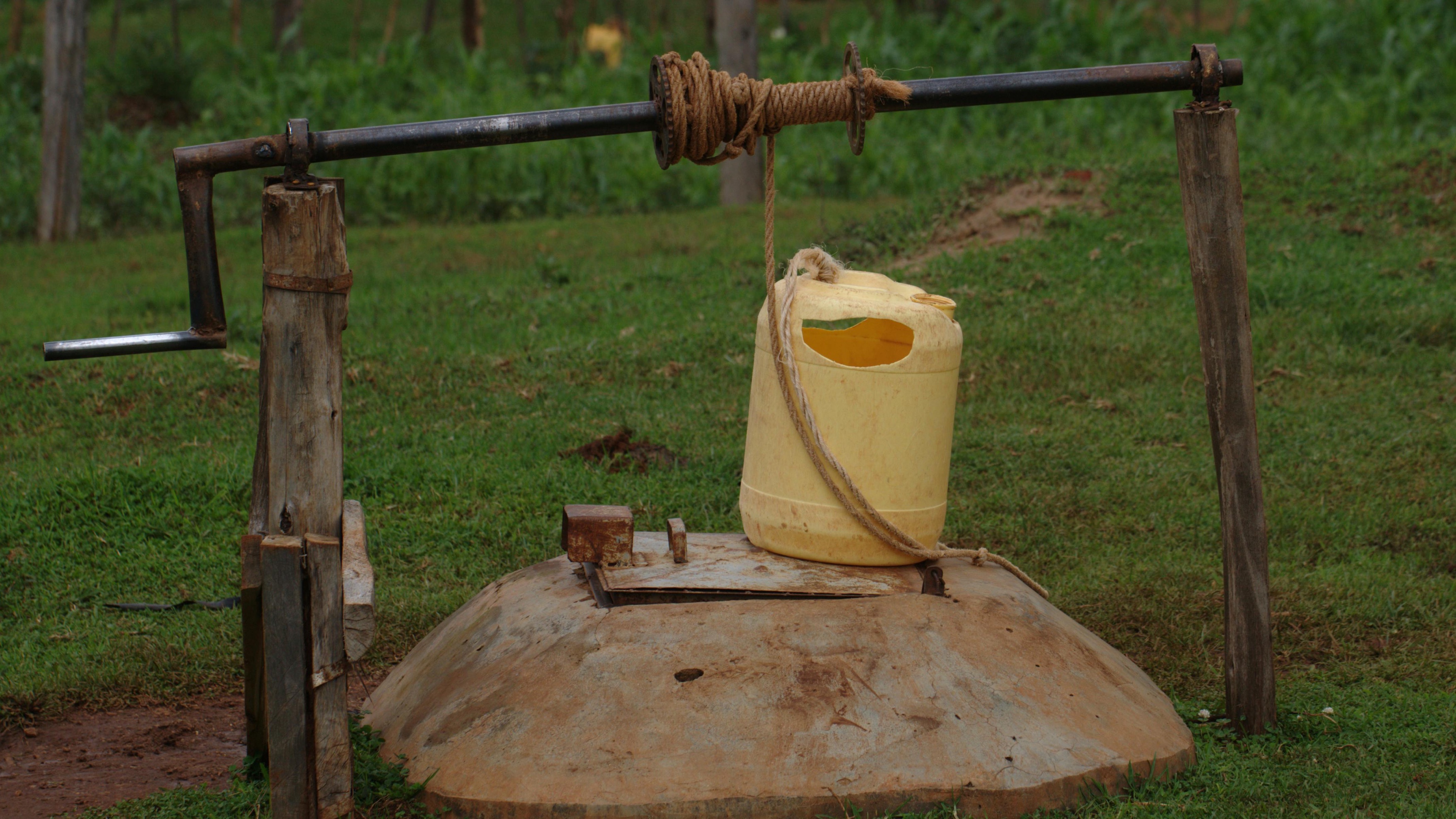
The violence erupted Saturday in Wadi Fira province, eastern Chad, when a disagreement over well access between two families escalated into armed conflict. Brahim Issa Galmaye, the government delegate for Wadi Fira province, confirmed the death toll Sunday and insisted authorities have restored order. But 42 bodies from a family dispute over water access is not a skirmish gone wrong. It's a symptom of desperation in a region where climate stress is weaponizing basic survival needs. Chad sits in the Sahel, that brutal strip of land separating the Sahara Desert from the savanna to the south. Water scarcity here isn't an inconvenience, it's an existential crisis. Lake Chad, which borders the country's western edge, has shrunk by roughly 90 percent since the 1960s due to climate change and overuse. Communities that once relied on seasonal rainfall now face prolonged droughts. Wells become flashpoints because they're often the only reliable water source for miles. When you're staring down crop failure, livestock death, and dehydration, a well isn't just infrastructure. It's the difference between your family living or dying. The detail that two families were living on the same land suggests this wasn't a border dispute between distant villages, but neighbors. Shared land arrangements are common in Chad's rural areas, where pastoral and agricultural communities have historically coexisted through negotiated access to resources. But climate stress is breaking those arrangements. As water becomes scarcer, informal agreements collapse. When there's not enough to go around, sharing stops being an option. Someone takes control, someone else resists, and in a region awash with weapons from decades of conflict, disputes escalate fast. Wadi Fira province has seen intercommunal violence before. In 2022, clashes between herders and farmers in the region killed dozens. Chad's eastern provinces border Sudan, which has been hemorrhaging weapons and refugees since its own civil war reignited in 2023. Small arms flow freely across porous borders. The Chadian government, led by President Mahamat Déby Itno (who took power after his father was killed in combat in 2021), has struggled to maintain control in remote regions. Déby's administration is focused on urban centers and oil revenues. Rural governance is thin to nonexistent. The government's claim that the situation is now "under control" rings hollow when 42 people are already dead. Control would have been preventing the massacre, not mopping up afterward. Authorities haven't disclosed how they restored order, whether arrests were made, or what happens next to prevent retaliation. In regions like Wadi Fira, government intervention often means sending in security forces, imposing curfews, and declaring victory while underlying tensions fester. The well that sparked this bloodshed is still there. The families who survived still need water. Nothing structural has changed.
 🌍 world
Water Well Dispute Kills 42 in Eastern Chad
A fight over access to a single well in Chad's Wadi Fira province turned into a massacre this weekend, leaving at least 42 people dead. Two families sharing the same land in one of Africa's most water-scarce regions went from neighbors to combatants over a resource that shouldn't be worth anyone's life. Local authorities claim the situation is now under control, but the body count tells a different story.
My Take
Let's be clear: this is what climate collapse looks like on the ground. Not slow-motion sea level rise or abstract temperature graphs, but 42 bodies over a hole in the ground with water in it. The international community loves to talk about climate adaptation funding and resilience programs, but Chad sees almost none of that money. The country is desperately poor, politically unstable, and strategically irrelevant to Western powers. So wells don't get drilled, water infrastructure doesn't get built, and families kill each other over access to the one resource you literally cannot live without. This massacre won't move the needle internationally because it happened in Chad, and Chad doesn't matter to the people who write the headlines and set the agendas. If 42 people died in a water dispute in Europe or North America, it would dominate news cycles for weeks. In the Sahel, it's a footnote. That double standard is why these conflicts will keep happening. Climate stress is multiplying across the Global South, but the resources to manage it flow to countries that already have functioning infrastructure. The places that need help most get the least, and the result is preventable tragedies like this one. Governments in the Sahel are not equipped to handle what's coming. Chad's central authority barely extends beyond N'Djamena. Water management requires planning, investment, and local governance structures that simply don't exist in Wadi Fira. Without massive external support, which isn't coming, communities will continue fighting over shrinking resources. The well that killed 42 people this weekend is not unique. There are hundreds like it across Chad, and eventually, they'll all become battlegrounds.
What Happens Next
The immediate future in Wadi Fira depends entirely on whether the government actually follows through with meaningful intervention or just declares victory and leaves. If no arrests are made and no one is held accountable, retaliation is inevitable. Family honor codes in Chad's rural regions don't allow for mass killings to go unanswered. Within weeks, you could see retaliatory attacks that push the death toll even higher. The cycle only ends when one side is completely destroyed or external authority steps in with enough force to impose a ceasefire. The longer-term trajectory is grimmer. Chad's water crisis is accelerating, not improving. By 2030, the Sahel is projected to see even more severe droughts and higher temperatures. Wells will become more contested, not less. Without massive investment in water infrastructure, which the Chadian government cannot afford and international donors show little interest in funding, disputes like this one will multiply. You're looking at a future where intercommunal violence over resources becomes routine background noise in Chad's eastern provinces. The wildcard is whether this massacre gets enough attention to trigger a broader conversation about climate-driven conflict in the Sahel. Probably not. Chad is too peripheral, the victims too anonymous, the issue too complex for soundbite politics. But if similar incidents start piling up across the region, someone in a European capital or Washington might eventually notice that water wars in the Sahel create refugees who head north. That's when intervention becomes politically viable. Not to save Chadian lives, but to manage migration flows. Cynical, but that's how resource conflicts in Africa get international attention.
What History Tells Us
Water conflicts are not new to the Sahel, but climate change is accelerating their frequency and lethality. In the 1970s and 1980s, droughts in Chad, Niger, and Mali triggered famines and mass migration, but intercommunal violence remained relatively contained because traditional governance structures still functioned. Communities had systems for negotiating resource access. Those systems are breaking down. In 2010, clashes between herders and farmers in northern Nigeria killed hundreds over land and water access. In 2012, competition for water and grazing land helped fuel the crisis in Mali that led to French military intervention. The pattern repeats: climate stress creates scarcity, scarcity breaks down traditional resource-sharing agreements, and violence fills the vacuum. The UN (United Nations) has documented this progression across the Sahel for over a decade, warning that without intervention, resource conflicts will destabilize the region. The warnings have been accurate. The intervention never came. What makes Chad's situation particularly dangerous is its proximity to Sudan, which is currently in the middle of a brutal civil war. Weapons flow freely across that border. Refugees destabilize communities. The spillover effects of Sudan's collapse are making Chad's internal conflicts deadlier.