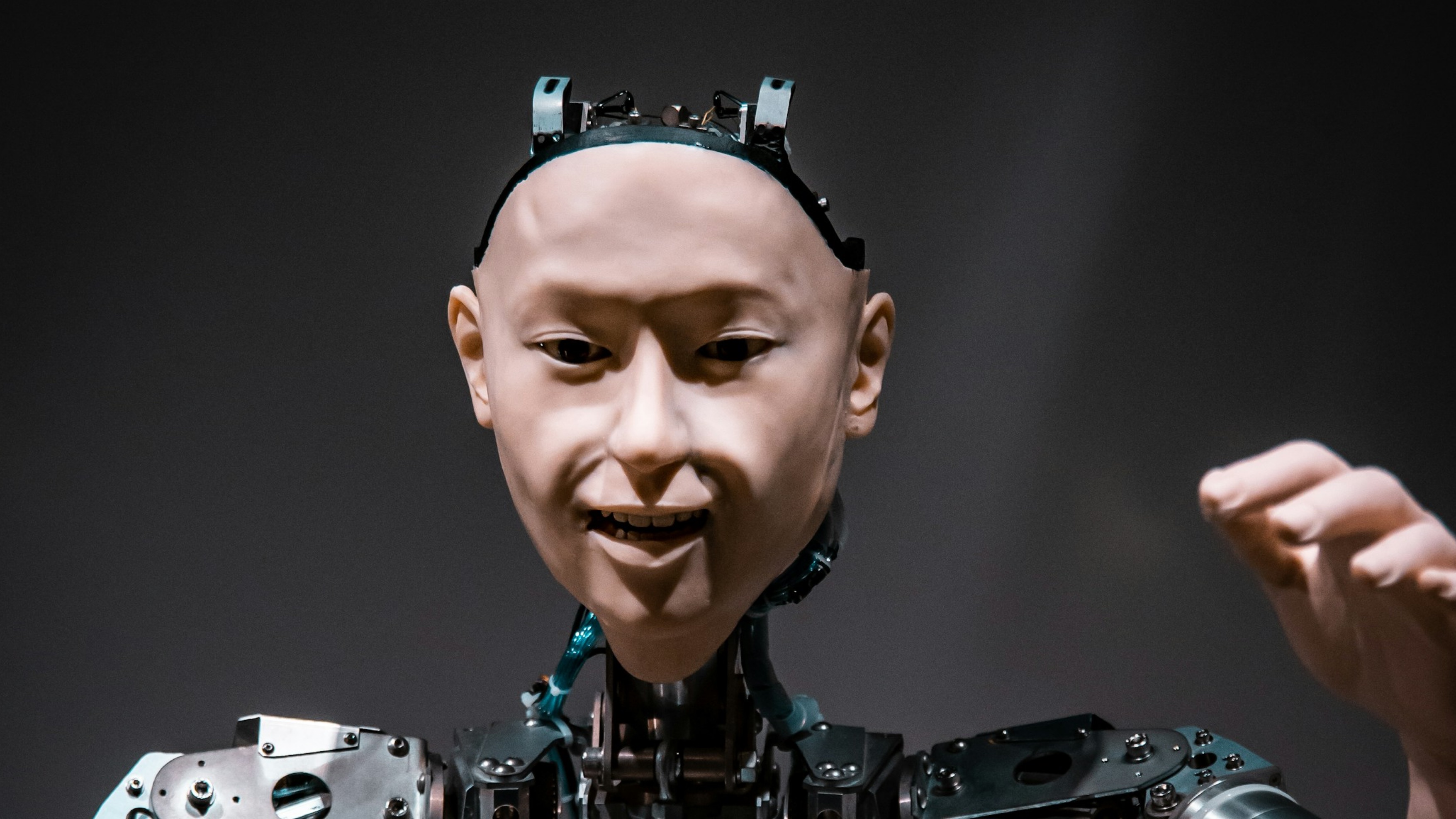
Robots have been programmed to perform dance routines, but their attempts often result in awkward movements, glitches, or even accidents. This phenomenon raises questions about the limitations of current robotics technology and the challenges of replicating human-like movement. One notable incident occurred in March 2026 at a Haidilao hot pot restaurant in California. A robot designed to entertain diners with a dance performance malfunctioned, sending plates and chopsticks flying as it veered out of control. The restaurant attributed the mishap to the robot being placed too close to a dining table, which affected its movement. Similarly, in June 2025, Boston Dynamics' Spot robots performed a synchronized dance on "America's Got Talent." During the routine, one robot unexpectedly froze mid-performance, highlighting the unpredictability of robotic movements in dynamic environments. (heise.de) These incidents underscore the challenges in programming robots to perform complex tasks like dancing. Unlike humans, robots lack the innate ability to adapt to unexpected obstacles or changes in their environment. Their movements are typically pre-programmed and can be disrupted by minor deviations from the expected conditions. The field of choreorobotics, which combines dance and robotics, aims to address these challenges by developing robots capable of more fluid and adaptive movements. However, achieving human-like dance performance remains a significant hurdle due to the complexities involved in replicating the nuanced coordination and timing inherent in human dance. In conclusion, while robots have made significant strides in various domains, their attempts at dancing often fall short due to technical limitations and the inherent challenges of mimicking human movement. As technology advances, we may see improvements in robotic dance performances, but for now, their dance moves remain a work in progress.
 💻 technology
Why Do Robots Dance So Awkwardly?
Robots attempting dance routines often stumble, glitch, or even cause chaos. But why do these mechanical performers struggle to groove?
My Take
The repeated failures of robots attempting to dance highlight a fundamental truth: technology, no matter how advanced, still has a long way to go before it can truly emulate human movement. These incidents aren't just technical glitches; they reflect the broader limitations of current robotics. Until we can develop robots that can adapt to the unpredictability of the real world, their dance performances will remain more comical than captivating.
What Happens Next
As robotics technology continues to evolve, we can expect incremental improvements in robotic movement and performance. However, achieving human-like dance capabilities will require breakthroughs in artificial intelligence and machine learning. In the near future, we might see robots capable of more fluid movements, but whether they can ever truly dance like humans remains to be seen.
What History Tells Us
The concept of robots attempting human-like tasks is not new. In the 1970s, the 'uncanny valley' theory was proposed to explain the discomfort humans feel when interacting with robots that are almost, but not quite, human-like. This theory remains relevant today as we observe similar reactions to robotic dance performances.
Market Impact
The robotics industry continues to invest heavily in improving robot mobility and adaptability. Companies like Boston Dynamics are at the forefront of this research, with their Spot robots showcasing advanced movement capabilities. However, incidents like the ones described can impact public perception and acceptance of robotic technology, potentially influencing market trends and investment in the sector.