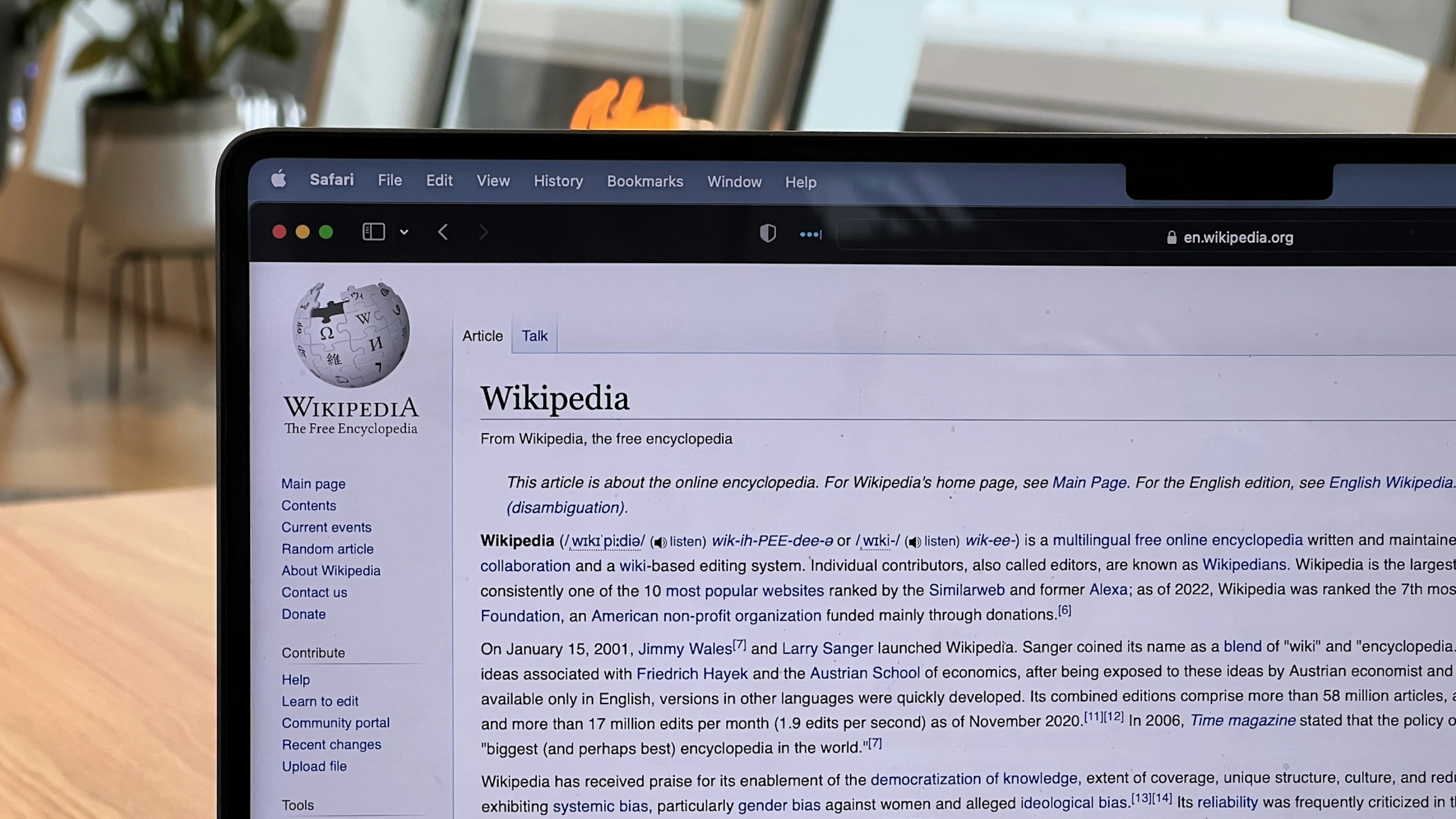
In a significant policy shift, Wikipedia has banned the use of artificial intelligence (AI) in generating or rewriting content for its online encyclopedia. The decision, announced on March 27, 2026, reflects the platform's dedication to maintaining the accuracy and reliability of its extensive repository of knowledge. Wikipedia's English language version boasts over 7.1 million articles, and the introduction of AI-generated content had raised concerns among its community of volunteer editors. The move comes after a contentious period where AI tools, particularly large language models (LLMs) like ChatGPT, were increasingly used to draft and edit articles. While these models can produce human-like text, they often lack the nuanced understanding and critical thinking that human editors bring to the table. This led to instances of misinformation and inaccuracies, prompting the Wikipedia community to reevaluate the role of AI in content creation. The new policy explicitly prohibits the use of LLMs to generate or rewrite article content. However, there are two notable exceptions: AI can still be utilized for translations and to suggest basic copy edits to existing content. In these cases, human editors are required to review and approve the AI-generated suggestions to ensure they align with Wikipedia's standards. This approach aims to leverage AI's capabilities in a controlled manner without compromising the integrity of the content. The decision has sparked discussions within the tech community about the balance between automation and human oversight. Proponents of AI integration argue that these tools can enhance efficiency and assist in managing the vast amount of information on platforms like Wikipedia. Conversely, critics emphasize the importance of human judgment in curating and verifying content to prevent the spread of misinformation. Wikipedia's ban on AI-generated content sets a precedent for other online platforms grappling with similar challenges. As AI continues to evolve and become more integrated into various aspects of digital life, the debate over its role in content creation and moderation is likely to intensify. The outcome of this policy change may influence how other platforms approach the integration of AI technologies, balancing innovation with the need for accuracy and trustworthiness in information dissemination.
 💻 technology
Wikipedia Bans AI-Generated Content to Preserve Human Integrity
Wikipedia has officially prohibited the use of artificial intelligence in generating or rewriting articles, aiming to uphold the accuracy and reliability of its vast online encyclopedia. This decision underscores the platform's commitment to human-driven content creation.
My Take
Wikipedia's decision to ban AI-generated content is a bold and necessary move to preserve the integrity of online information. In an era where misinformation can spread rapidly, relying on human editors ensures that content is curated with critical thinking and contextual understanding. While AI can be a valuable tool for tasks like translation and basic copy editing, it should not replace the nuanced judgment that human editors provide. This policy sets a crucial precedent for other platforms to consider the implications of AI integration and prioritize accuracy over convenience. However, the challenge lies in effectively implementing this policy. Detecting AI-generated content is not straightforward, as advanced models can mimic human writing styles convincingly. Wikipedia's reliance on its community of editors to identify and address AI-generated content places a significant burden on volunteers. To truly uphold this policy, Wikipedia must invest in developing more sophisticated detection tools and provide adequate support to its editorial community. Without these measures, the risk of AI-generated misinformation slipping through the cracks remains a concern.
What Happens Next
In response to Wikipedia's ban, other major online platforms are likely to reassess their policies regarding AI-generated content. Social media networks, news outlets, and forums may follow suit, implementing stricter guidelines to ensure content authenticity. This could lead to a broader movement towards human-centric content moderation, with AI serving as a supportive tool rather than a primary content creator. Additionally, the tech industry may accelerate the development of AI detection technologies to assist in identifying and mitigating the spread of AI-generated misinformation.
What History Tells Us
The rise of AI-generated content echoes past challenges in the digital age, such as the proliferation of fake news and the spread of misinformation. Similar to how social media platforms have struggled with content moderation, Wikipedia's decision highlights the ongoing battle to maintain information integrity in an increasingly automated world.
Market Impact
The policy change by Wikipedia is unlikely to have a direct impact on financial markets, as it pertains to content moderation rather than business operations. However, companies specializing in AI detection and content moderation technologies may see increased demand for their services. Additionally, the move could influence investor sentiment towards tech companies involved in AI development, as it underscores the importance of ethical considerations in AI deployment.