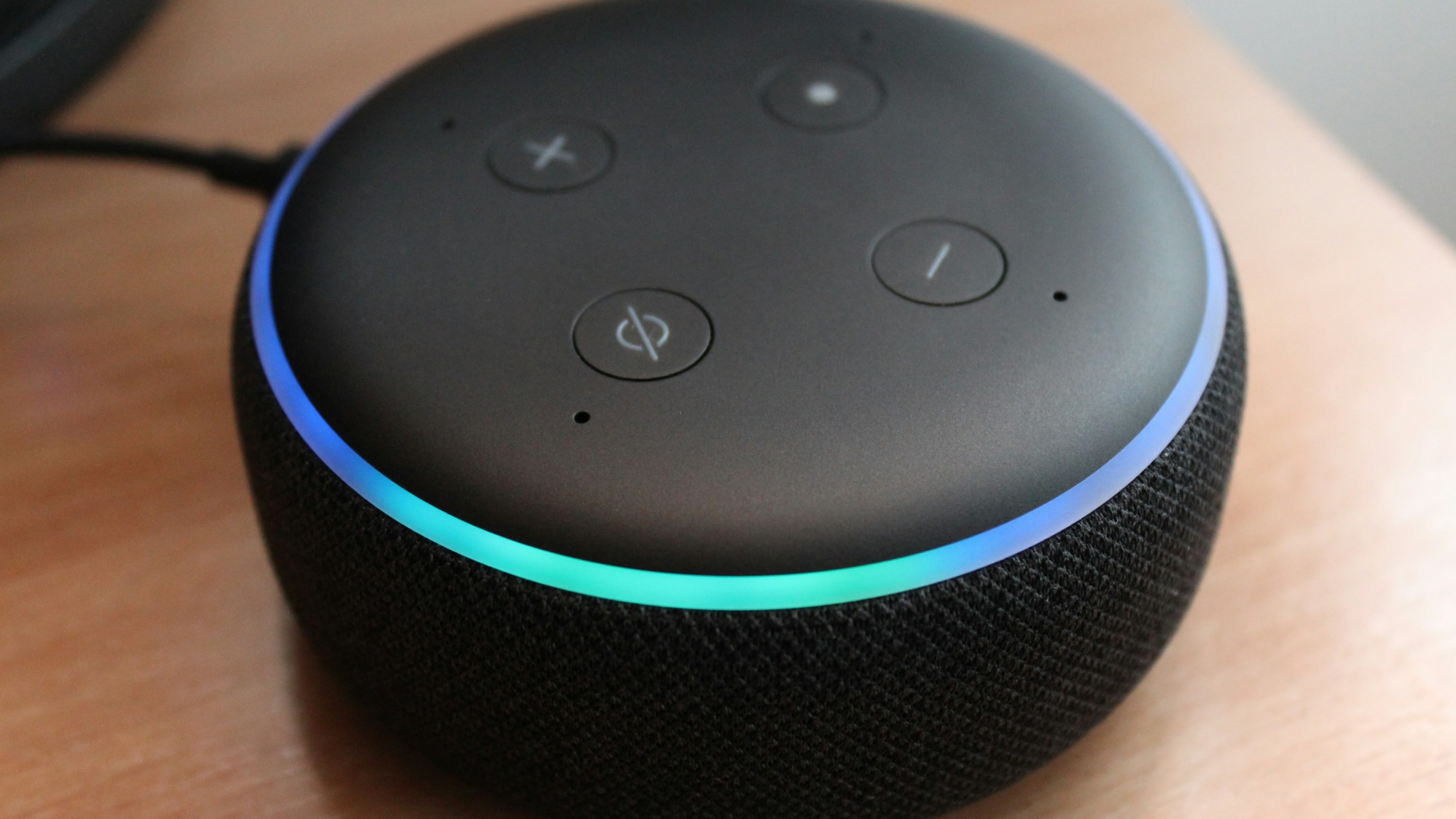
Walk into any modern home with young children and you will hear a curious pattern. A four year old barks commands at a speaker: "Play cartoons. Tell me a joke. Open YouTube." No please, no thank you, no patience for delay. The voice assistant obeys instantly, every single time. This interaction, repeated dozens of times daily across millions of households, is reshaping how an entire generation learns to communicate with the world. Researchers studying child development now say these AI (Artificial Intelligence) interactions create what linguists call "instrumental language" patterns. Children learn that conversation means issuing direct commands and receiving immediate, perfect responses. They speak in clipped sentences optimized for machine comprehension rather than human connection. Studies published in Nature and various linguistics journals show kids are adapting their entire speech patterns to accommodate virtual assistants, not the other way around. The question keeping child psychologists awake: what happens when these children enter school, make friends, or try to have meaningful conversations with humans who do not respond like robots? The issue goes deeper than surface level politeness. Language acquisition has always been about more than vocabulary. Children learn to communicate through emotional bonds, by reading facial expressions, by navigating the messy reality of human conversation with its interruptions, misunderstandings, and need for patience. A parent might be tired, distracted, or annoyed. A teacher might ask a child to wait their turn. These frustrations teach crucial social skills. Alexa never gets tired. Siri never tells you to wait. ChatGPT will explain the same concept fifty times without complaint. Clara Macarena Ponce Romero, a researcher with the Koiné group at the University of Santiago de Compostela, points to a critical gap in how children perceive these interactions. Young kids naturally attribute human qualities to anything that talks back. If it converses, children assume it understands, feels, and knows things. But current AI systems produce convincing answers without comprehension, experience, or intention. They simulate empathy through language tricks, creating an illusion of understanding that fools even adults. For a six year old still learning what conversation means, this blurred line between human and machine becomes their baseline for all future interactions. The pragmatic dimension of human communication exists almost entirely outside words. An adult recognizes when a child's question stems from curiosity versus fear versus boredom. Body language, tone, context, and emotional subtext guide real conversation. Machines cannot read these cues, cannot adjust responses based on a child's emotional state, cannot teach the negotiation and patience that human relationships require. When children grow up treating conversation as a transactional exchange where clear inputs produce instant outputs, they develop fundamentally different expectations about how communication works. There is a case for AI as educational support. Many children feel freer asking "stupid questions" to a non judgmental bot. Language learners benefit from infinite patient repetition. Kids exploring new concepts appreciate adjustable complexity without social pressure. These are real advantages. But researchers emphasize these tools must remain supplements, never replacements for human interaction. The adults in children's lives carry responsibility for mediating AI use, explaining machine limitations, and preserving space for messy, imperfect, gloriously human conversation that remains the foundation of how we exist in the world.
 💻 technology
Your Kid's Robot Friend Is Ruining Their Conversation Skills
Millions of children now chat with Alexa and Siri daily, treating AI assistants as conversational partners. Researchers warn this breeds a generation expecting instant, obedient responses from everyone. The way kids learn to talk is fundamentally changing, and parents are mostly clueless about the damage.
My Take
Here is the uncomfortable truth nobody wants to say out loud: we handed our kids robot servants and called it innovation. Every time a child commands Alexa without saying please, parents shrug it off as harmless. But language shapes thought, and thought shapes behavior. A generation learning that conversation means barking orders at obedient machines will struggle profoundly with human relationships that require empathy, patience, and negotiation. The tech industry wants us to believe AI assistants are neutral tools, like calculators or pencils. Absolute nonsense. These systems are training wheels that never come off, creating dependency on instant gratification and perfect responses. The real scandal is how quickly parents embraced these digital babysitters without asking basic questions about developmental impact. We worried about screen time for years, but somehow voice AI got a free pass because it felt vaguely educational. The solution is not banning these tools. That ship sailed. But parents need to treat AI interactions like junk food: okay in moderation, dangerous as a dietary staple. Every command to Alexa should be followed by a real conversation with a real human. Every homework answer from ChatGPT should spark discussion about how machines differ from people. Otherwise we are raising children who think conversation is something you win rather than something you share. And that might be the loneliest generation yet.
What Happens Next
Within three years, schools will face a full-blown crisis as teachers confront classrooms filled with children who cannot handle conversational ambiguity. The first wave is already hitting kindergartens: kids who melt down when adults do not provide instant, perfect answers like their home AI assistants do. Expect mandatory parent workshops on "digital communication literacy" and new curriculum standards emphasizing turn-taking, patience, and tolerating conversational imperfection. The tech giants will respond with predictable cynicism. Amazon and Google will roll out "family-friendly" AI modes that require children to say please and insert artificial delays before responding. They will market these as features solving problems their own products created. Meanwhile, a counter-movement of parents will emerge, rejecting voice assistants entirely and treating AI-free homes as the new organic food movement. Private schools will advertise "human-first learning environments" at premium prices. The wildcard: what happens when these AI-fluent kids hit adolescence and discover that machines are easier to talk to than humans? Teen mental health researchers are already bracing for a surge in social anxiety and isolation as children who grew up with perfect AI conversations struggle with messy human ones. The generation growing up with robot best friends might become the loneliest in modern history, not despite their constant connectivity but because of it. Therapy waiting lists in 2030 will be dominated by teenagers who genuinely prefer ChatGPT to people.
What History Tells Us
This moment echoes the television panic of the 1950s and 1960s, when parents and educators warned that passive screen consumption would rot children's brains and destroy their attention spans. Decades of research eventually showed television did change childhood, but in complex ways that defied simple "good or bad" narratives. Educational programming like Sesame Street proved beneficial while excessive consumption of any content correlated with developmental delays. The same nuanced reality likely applies to AI assistants. The deeper parallel reaches back to the printing press and the Socratic worry that writing itself would weaken human memory and critical thinking. Socrates feared external storage of knowledge would atrophy our internal faculties. He was both right and wrong. Writing did change how humans think and remember, but it also enabled knowledge accumulation and cultural transmission impossible through oral tradition alone. Each communication technology reshapes human cognition in ways that seem threatening to previous generations. The question is never whether change happens, but whether we guide it deliberately or let it happen to us by accident.
Market Impact
Amazon (AMZN, currently trading around $185, up from its 2024 lows) faces growing regulatory and reputational pressure as child development research mounts against Alexa's unrestricted use by children. Expect parental control features to become mandatory, potentially limiting the stickiness of Amazon's smart home ecosystem. Alphabet (GOOGL, around $172) confronts similar headwinds for Google Home and its AI assistants. Both companies will need to invest heavily in age-appropriate AI modes or face potential legislation restricting voice assistant access for children under certain ages. The real opportunity lies in edtech companies developing AI literacy curricula and "healthy AI" frameworks for schools. Pearson (PSO, around $11) and McGraw Hill are positioning for this market. Meanwhile, toy companies like Mattel (MAT, around $19) that previously rushed AI features into products may face backlash as parents become more cautious. Speech therapy and child psychology services could see demand spikes as parents seek to remediate AI-induced communication delays, benefiting health insurance providers covering these interventions. Long-term, this creates headwinds for consumer AI adoption in family segments and tailwinds for educational intervention services.